


Celesta article
Celesta for Beginners: A Complete Guide
Take a breath: this is a genuinely forgiving instrument to start on. Here's your first practice session, step by step.
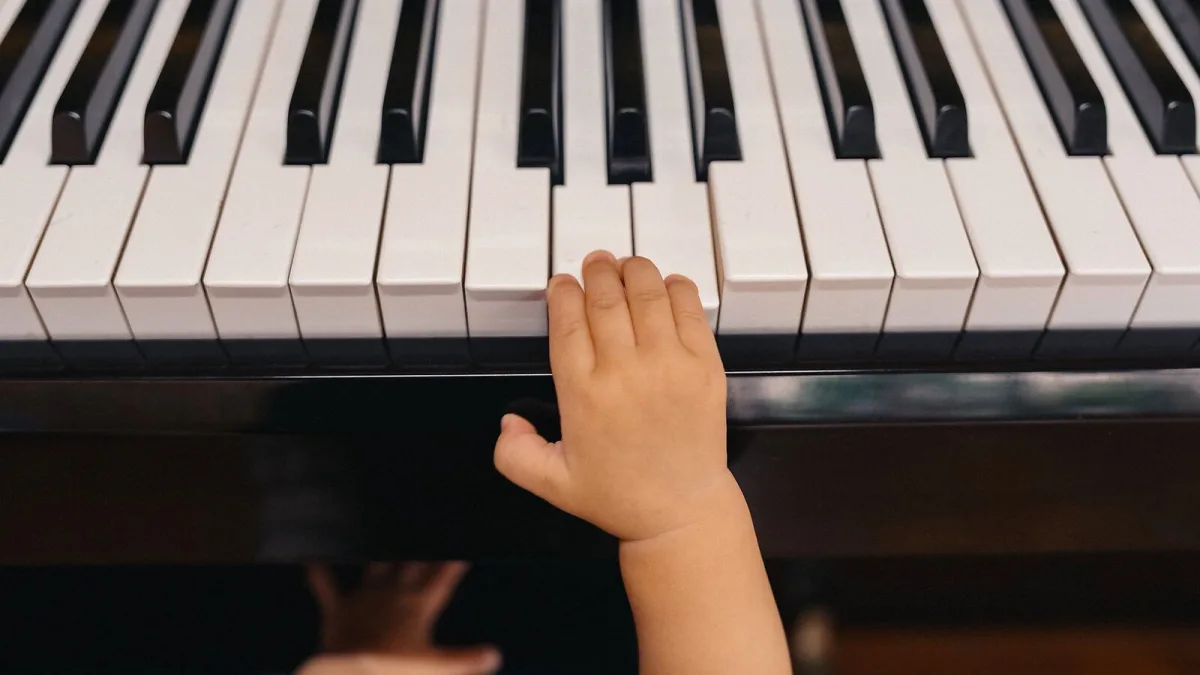
If you've been asked to play celesta for the first time, or you've fallen a little bit in love with that shimmering "Dance of the Sugar Plum Fairy" sound and want to try it yourself, take a breath: this is a genuinely forgiving instrument to start on, especially if you already have any piano or keyboard background at all. Let's take it gently, step by step.
The Good News First
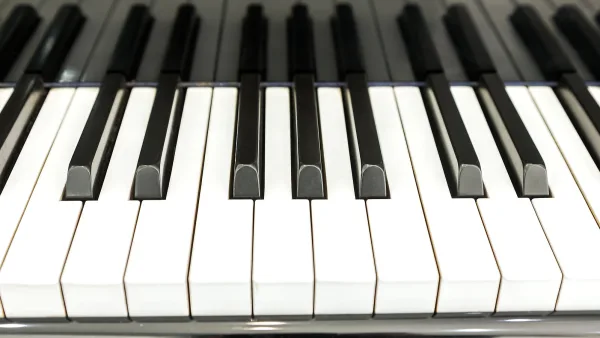
If you can already find your way around a keyboard, you're most of the way to playing celesta already. The layout is exactly like a piano's, and the touch, while lighter, isn't going to fight you the way an unfamiliar instrument sometimes does. What's actually new here is a couple of quirks in how a celesta behaves, not a whole new set of physical skills to learn from scratch.
The One Thing to Learn Before Anything Else
This instrument sounds a full octave higher than what's written on the page. It's not a mistake in the music and it's not you misreading anything — it's just how the notation has always worked. Play through a simple, familiar tune first and just listen for that octave lift; once your ear catches it, you stop needing to think about it consciously at all.
Your First Celesta Practice Session, Step by Step
- Sit with the instrument quietly first. Before playing anything, press a single key slowly and just listen to the whole decay of the note — the attack, the ring, the fade. This tells your ear what you're actually working with.
- Play a simple five-note phrase without the pedal. Something you already know well, played slowly, so you can hear exactly how each note behaves on its own.
- Add the pedal in very small doses. Hold it for one or two notes at a time rather than a whole phrase, and listen for how quickly things start to blur if you're too generous with it.
- Practise controlling your volume gently. Try the same phrase softer, then very slightly firmer, and notice that pushing hard doesn't make it dramatically louder — it just changes the character of the attack.
- Finish by playing along with a recording. Something with an obvious celesta part, like the Sugar Plum Fairy, so you can compare what you're doing against a real reference.
Fifteen minutes of that is a genuinely complete first celesta session. You don't need to rush further than this in one sitting.
Common Nerves, Sorted
- "I keep forgetting the octave thing." Everyone does, at first. It becomes automatic within a few sessions, not months.
- "It feels too quiet and delicate." That's just how a celesta is, not you doing something wrong. It's genuinely not built to be loud.
- "I don't have access to a real one most of the time." A decent keyboard or digital piano with a good celesta patch is a completely legitimate way to learn the technique and the repertoire in the meantime.
- "I'm worried about damaging it." Play normally and you won't. Just avoid excessive force and you're not putting any real strain on the mechanism.
What to Practise Early On
Simple, sparse repertoire suits a celesta far better than dense, busy material while you're finding your feet. Slow scales, simple children's melodies and short excerpts from famous celesta parts will teach you more about touch and pedalling in your first month than anything technically demanding will.
It's also worth spending time just listening, away from the keyboard entirely. Put on a handful of well-known celesta recordings and notice how sparingly composers actually use it — a few bars here, a colour there, rarely a sustained melodic line carrying the whole texture. That listening habit will shape how you play it far more than technical drilling alone ever could.
Once the basics feel comfortable, our full explainer is worth reading properly to understand the mechanism behind what you're now feeling under your fingers. Thinking about eventually getting regular access to one? Our buyer's guide and our roundup of the best options for the money both cover that honestly, and common mistakes to avoid is worth a look once you're a little further along.
The Bottom Line
You don't need years of preparation to start learning celesta — just a keyboard background, a bit of patience with the octave quirk, and a willingness to play more gently than you're used to. Give it that first fifteen-minute session and you'll already feel far less like a beginner than you did an hour ago.



Comments