


Celesta article
Celesta Explained: Features, Types and Tips
That shimmering sound in the Nutcracker has a name and a mechanism. Here's how a celesta actually works.
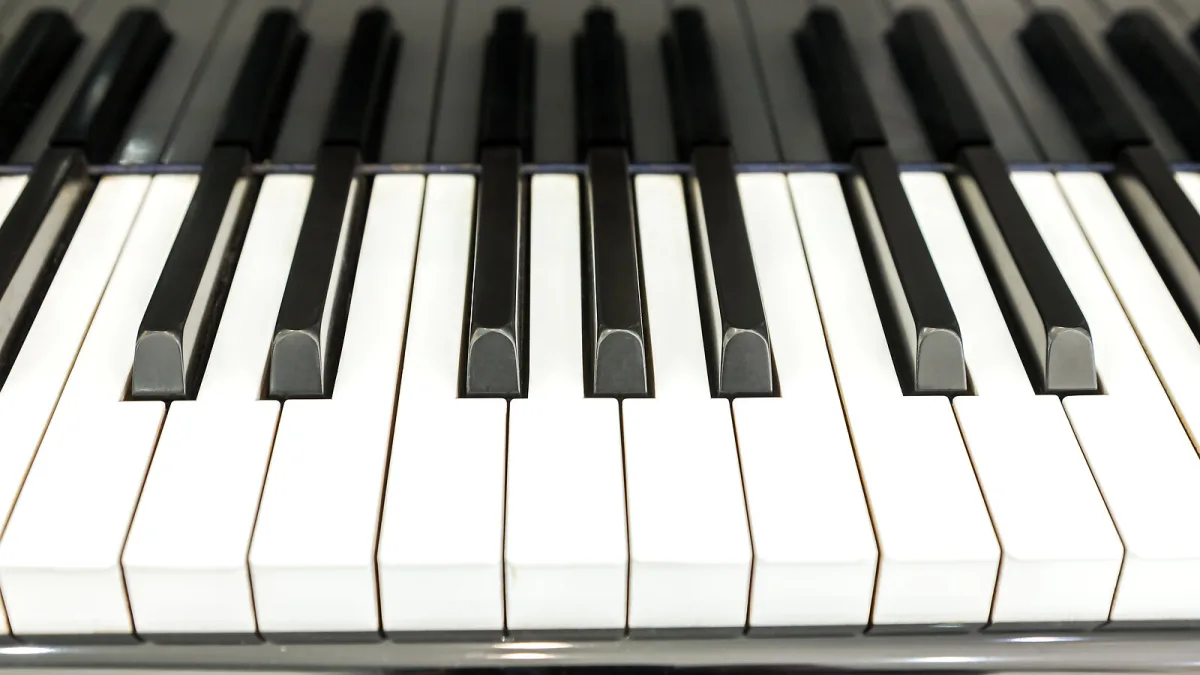
If you've ever heard that shimmering, bell-like sound in "Dance of the Sugar Plum Fairy" and wondered what was actually making it, the answer is a celesta — a keyboard instrument that looks like a small upright piano but works nothing like one. Here's how it's actually built, what the different types offer, and a few practical tips for using it well.
What a Celesta Actually Is
Despite the piano-style keyboard, a celesta is classified as a percussion instrument, not a string instrument. Pressing a key fires a felt-covered hammer that strikes a tuned steel plate rather than a string, and a wooden resonator underneath the plate shapes and reinforces the note. No strings are involved anywhere in a celesta's signal path, which is why the tone is so much softer and more bell-like than a piano's.
The celesta was developed in Paris in 1886 by the Mustel family's workshop — sources differ on whether Auguste or Victor Mustel deserves primary credit, so it's fairest to call it a Mustel family invention. The name comes from the French céleste, meaning "heavenly," which is exactly what early audiences thought this new instrument sounded like.
How the Mechanism Actually Works
| Part | What it does |
|---|---|
| Keyboard and action | Transmits key movement to the hammers, similar in feel to a piano but much lighter |
| Felt-covered hammers | Strike the plates with a soft, controlled attack |
| Steel sound plates | Graduated by pitch; these actually generate the tone |
| Wooden resonators | One per plate, amplifying and warming the sound |
| Damper pedal | Lets notes ring on after the key is released, broadly like a piano's sustain pedal |
One quirk worth knowing before you sit down at a celesta: it typically sounds a full octave higher than written. That's not a defect, it's standard notation practice, and it catches out plenty of pianists the first time they play one.
The Main Types You'll Come Across
- Four-octave models — compact and historically the most common; more than enough range for the bulk of standard orchestral parts.
- Five-octave models — give a soloist or arranger more headroom, useful for modern and solo repertoire.
- Extended-range instruments — some reach around five and a half octaves, though these are less common.
- Traditional Mustel-style action — the classic upward-striking hammer arrangement, still used by specialist maker Schiedmayer.
- Digital and sampled versions — keyboard patches and sample libraries that reproduce the sound without the mechanical hardware, widely used in production and practice settings.
Practical Tips for Playing and Recording a Celesta
Dynamics work differently on a celesta than on a piano: pushing harder doesn't buy you much extra volume, it just makes the attack harsher, so controlled, even touch matters more than force. The pedal is genuinely useful for a soft halo of resonance, but hold it too long through fast or chromatic passages and the notes blur into mush.
For recording, microphone placement changes a celesta's character a lot. Close mics pick up hammer and action noise you probably don't want; a slightly more distant pair captures the resonators and room sound that actually makes the instrument shine. And in a dense mix or full orchestration, a celesta can vanish fast — its upper partials compete directly with glockenspiel, harp harmonics and high piano notes, so give it space rather than burying it under everything else.
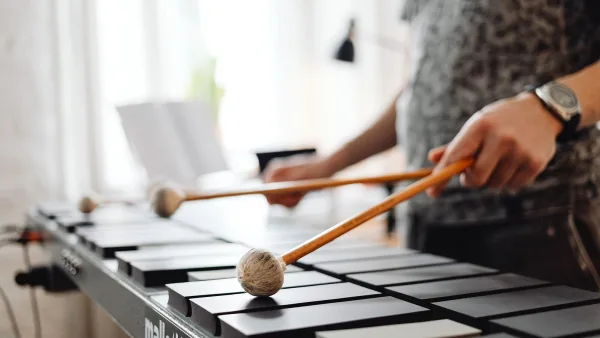
It's also worth learning to tell a real celesta apart from the things people mistake it for. A glockenspiel is struck with handheld mallets rather than played from a keyboard, and a toy piano uses much cruder metal rods rather than tuned steel plates over proper resonators. A celesta sits in its own category, and once you've heard the real thing next to either of those, the difference is obvious.
Thinking about actually owning or hiring one? Our complete buyer's guide covers what genuinely matters when evaluating one. New to playing it? Our beginner's guide is the gentler starting point, and common mistakes to avoid is worth a read before your first proper session.
Where the Sound Turns Up
Most people meet this sound for the first time through Tchaikovsky's "Dance of the Sugar Plum Fairy," which did more than anything else to cement its association with magic, winter and childlike wonder in the popular imagination. Since then it's turned up extensively in film scoring, contemporary classical writing and the occasional pop or jazz production, usually wherever a composer wants a flash of something delicate and slightly otherworldly rather than a melody that has to carry the whole texture. Not every shimmering keyboard sound on a recording is the real thing, though — plenty are a sampled patch or a glockenspiel standing in, and liner notes don't always spell out which.
The Bottom Line
Strip away the "magical" reputation and what's left is a fairly simple mechanism — hammers, plates, resonators — doing something a piano's strings never could. Once you understand the parts and the octave quirk, the instrument stops feeling mysterious and starts feeling like exactly what it is: a very specific tool for a very specific colour.




Comments