


Vinyl Record Player article
Vinyl Record Player for Beginners: A Complete Guide
Getting into vinyl doesn't need to mean spending a fortune or memorising a wall of jargon. Here's the advice I wish someone had given me at the start.
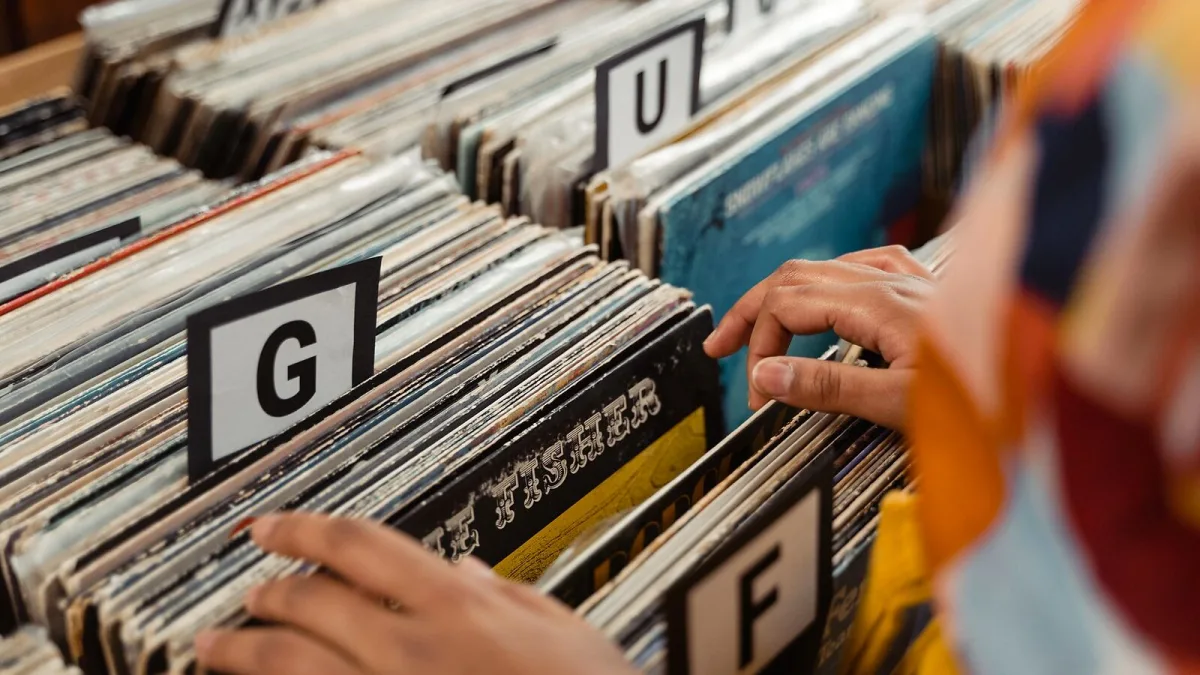
Getting your first vinyl record player doesn't need to mean spending a fortune or memorising a wall of jargon before you're allowed to enjoy a record. I got into this the slow way, one charity-shop find and one cheap deck at a time, so here's the version of the advice I actually wish someone had given me at the start.
You Don't Need to Spend Big to Start Properly
It's tempting to think you need a serious hi-fi setup before a vinyl record player is "worth it," but that's simply not true. A sensible entry-level deck, looked after properly, gives you a genuine, enjoyable listening experience. Save the bigger spending for once you actually know what you like about the format and what you'd want to improve.
All-in-One or Separate Pieces, for a First Timer
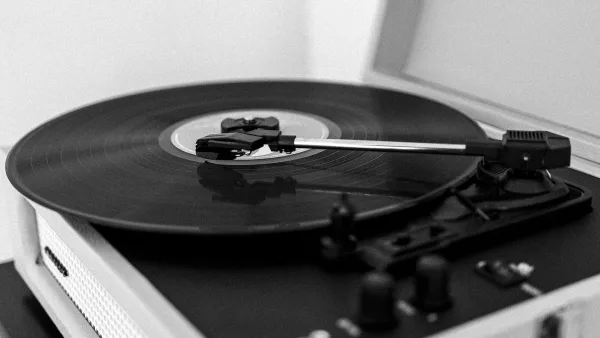
An all-in-one box — deck, amp and speakers together — is a perfectly sensible way in, and modern versions have come on a lot. If you already own decent speakers or a small amp, though, a simple deck with a built-in preamp connected to what you've already got often sounds better for similar money. Neither route is wrong; it genuinely depends what you've already got lying around the house.
A Few Terms Worth Knowing (Nothing Scary, Promise)
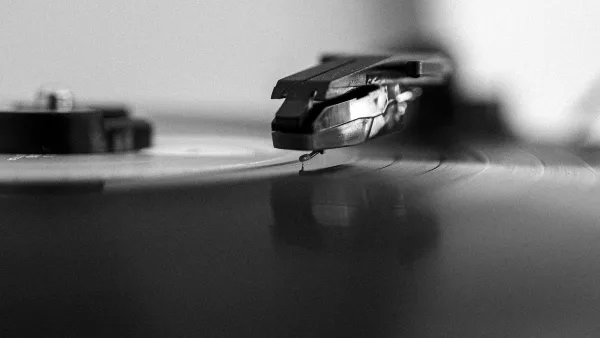
- Stylus — the tiny needle that actually touches the record.
- Cartridge — the bit holding the stylus, which turns its movement into an electrical signal.
- Phono preamp — boosts that tiny signal so your amp or speakers can use it properly.
- RPM — how fast the record spins; albums are usually 33⅓, singles usually 45.
That's genuinely most of the vocabulary you need to get going. Everything else you'll pick up naturally the more you listen.
Looking After Your Records From Day One
Good habits now save you money and disappointment later. Always hold records by the edge and the label, never the playing surface — the oils from your fingers attract dust and gunk up the groove. Store them standing up rather than stacked flat, which can warp them over time, and give each one a quick brush before it goes on the platter. None of this is complicated, it's just worth doing from record one rather than learning the hard way with a favourite album.
Building Your Collection Slowly
You really don't need to buy a hundred records to feel like you're "doing it properly." Charity shops, car boot sales and second-hand record shops are brilliant, cheap places to start, and half the fun is genuinely not knowing what you'll find. Buy what actually catches your ear rather than what you feel you're supposed to own, and the collection builds a personality of its own over time.
Where to Put It
Give some thought to where your deck will actually live before you buy anything. A wobbly shelf, a spot right next to your speakers, or a table that shakes every time someone walks past will cause far more headaches than any spec sheet detail. A sturdy, level surface away from vibration is worth more than most upgrades you could spend money on instead.
When You're Ready for Your First Deck
Once you've decided vinyl's for you, our complete buyer's guide walks through the actual decisions in more depth, and the best vinyl record players for the money gives you a shortlist by budget. When your deck actually turns up, our setup walkthrough gets you from box to first play properly.
Common Beginner Questions, Answered
"Do I need to understand belt drive versus direct drive straight away?" Not really, not for casual home listening — that distinction matters more once you're comparing specific decks or thinking about DJing.
"Will cheap records sound bad?" Not necessarily. Condition matters more than price for how a used record actually sounds, so always give a second-hand find a visual check before you buy it.
"What if I make a setup mistake?" It happens to everyone early on, and it's rarely expensive to put right. Our piece on common mistakes to avoid covers the ones worth knowing about in advance.
The Bottom Line
With a vinyl record player, start small, look after your records properly, and let your collection grow at its own pace. The gear side of vinyl looks more complicated from the outside than it actually is once you're living with a deck day to day.



Comments