


Vinyl Record Player article
Common Vinyl Record Player Mistakes to Avoid
I've made most of these mistakes myself, usually with a record I actually cared about — the best way to learn them and the worst way to find out.
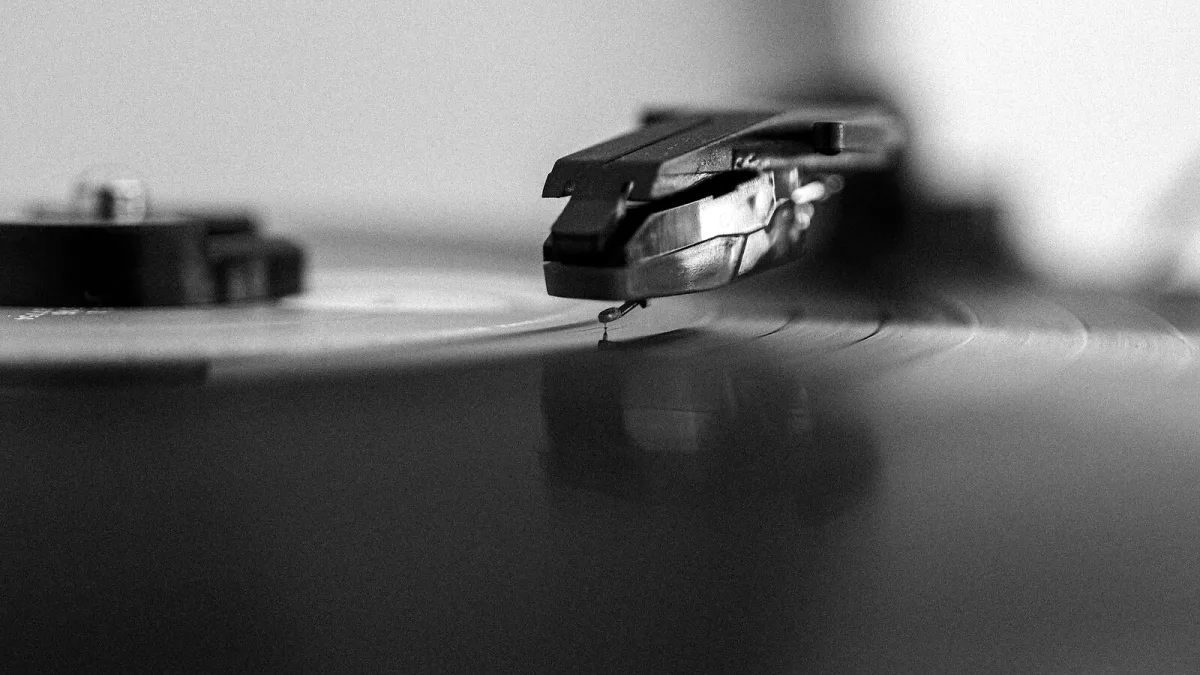
I've made most of the mistakes on this list myself, usually with a record I actually cared about, which is the best way to learn them and the worst way to find out. Here's what trips people up most with a vinyl record player, and why each one matters more than it looks.
Mistake 1: Buying a Novelty Suitcase Player for Serious Listening
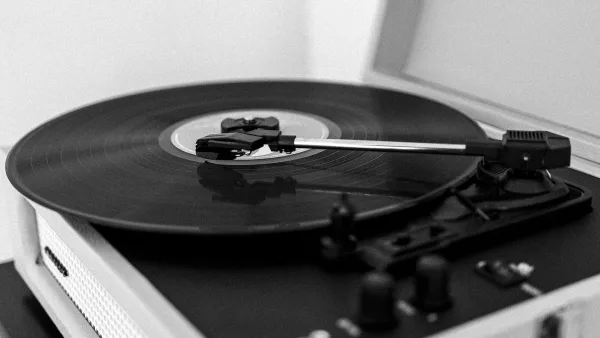
Those cheap, all-in-one suitcase-style players look charming, but many use a basic ceramic cartridge with heavy tracking force that can genuinely wear down your records faster than a proper deck would. They're fine for the odd novelty spin, but if you care about a collection, don't build it around one.
Mistake 2: Playing Records With a Worn Stylus
A stylus is a wear item, full stop, and a worn one doesn't just sound duller — it can actively damage the groove of every record it touches from that point on. If your records suddenly sound noisier or harsher than you remember, check the stylus before you blame the pressing.
Mistake 3: Ignoring Tracking Force and Anti-Skate
Leaving these at whatever they happened to be set to, or skipping them entirely, is a surprisingly common shortcut. Too light and the stylus skips or distorts; too heavy and it chews through vinyl grooves needlessly. It takes two minutes to set properly and pays you back for years.
Mistake 4: Getting the Phono or Line Setting Wrong
Plug a phono-level signal into a line input and you'll get a whisper-quiet, thin sound; do the reverse and you'll get harsh distortion. It's an easy setting to overlook entirely, especially on a deck where the switch is tucked round the back, but it's worth checking any time you move or reconnect your vinyl record player.
Mistake 5: Handling Records by the Playing Surface
Fingerprints leave oil in the groove, which attracts dust and builds up over repeated plays. Hold records by the edge and the label instead — it's a small habit that genuinely extends how long a record sounds its best.
Mistake 6: Playing a 78 With a Modern LP Stylus
Older 78 RPM shellac records generally need their own dedicated stylus and cartridge set-up, not the stylus you're using for modern LPs. Using the wrong one risks audible damage to a record that's often irreplaceable.
Mistake 7: Placing the Deck Too Close to Your Speakers
Speaker vibration travelling through a shelf or a shared surface into the turntable causes acoustic feedback and skipping, particularly at higher volumes. Give your setup a bit of physical distance, or at least proper isolation, and a surprising number of "faulty deck" problems disappear on their own.
Mistake 8: Storing Records Flat or in Direct Sunlight
Stacking records flat, or leaving them somewhere warm and sunny, can warp them over time — and a warped record is genuinely difficult to play cleanly no matter how good your vinyl record player is. Store them upright, somewhere cool, and they'll last considerably longer.
Mistake 9: Skipping the Grounding Wire
If your set-up came with a separate ground wire and you never connected it, an audible hum sitting under the music is the classic symptom. It's a thirty-second fix that gets overlooked constantly, usually because it's easy to miss when you're excited to hear your first record.
Getting It Right From Here
None of this is complicated once you know to look out for it — it's mostly small habits, not expensive gear. If you're still working out what to buy, our complete buyer's guide and best picks by situation are worth a read, and our step-by-step setup guide covers tracking force and anti-skate properly if you skipped past them the first time.
The Bottom Line
Most of the damage done to records and decks comes from a handful of habits, not bad luck. Fix the stylus, the tracking force, the handling and the storage, and both your records and your player will genuinely last for years.




Comments