


Vinyl Record Player roundup
Vinyl Record Player: A Complete Buyer's Guide
The decision-by-decision guide I'd actually give a friend before they spend their money on a vinyl record player.
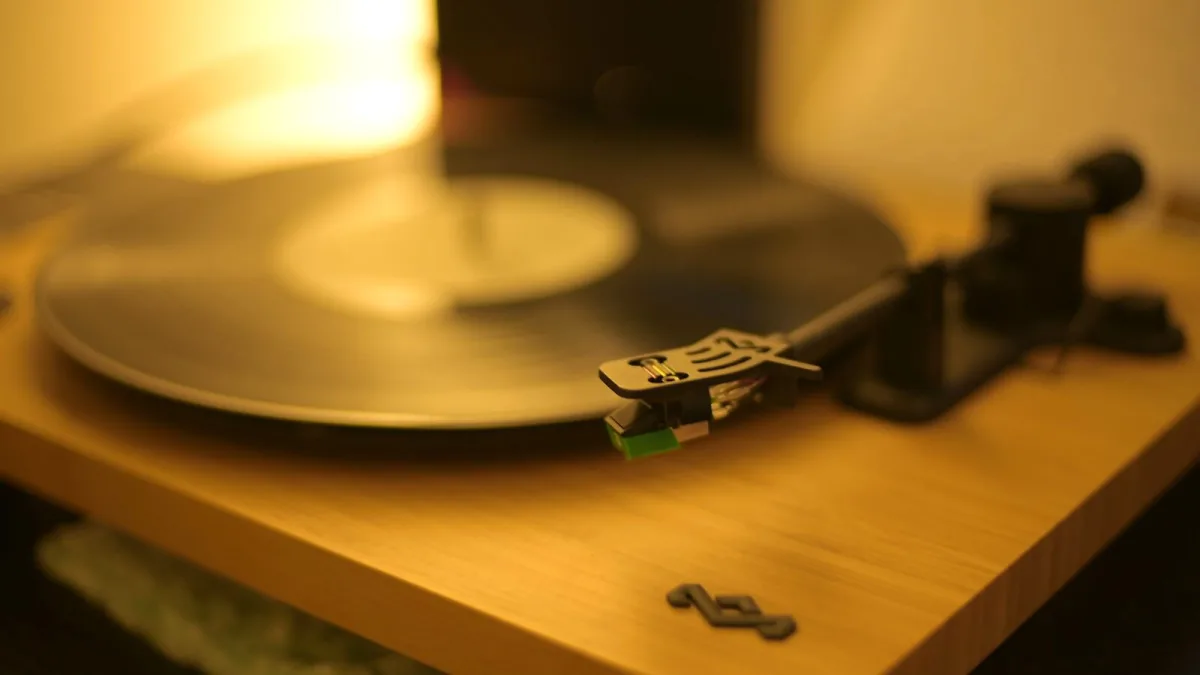
I've bought, sold and lived with more vinyl record player set-ups than I care to count over the years, and the questions people bring me before a purchase have barely changed. Here is the decision-by-decision guide I'd actually give a friend before they spend their money on a vinyl record player, the questions worth asking before anything else.
Component or All-in-One: The First Real Decision
An all-in-one system houses the deck, amplification and speakers together. It's simple, and modern versions have improved considerably, but it typically limits how far you can upgrade later. A component turntable is just the playback deck, requiring a phono preamp, an amplifier and speakers of your own choosing. If you think you'll want to improve your system piece by piece over the years, start with a component deck even if your amplifier and speakers are modest to begin with.
Belt Drive or Direct Drive
A belt-driven design connects the motor to the platter with a rubber belt, which can help isolate motor vibration from what you hear. Direct drive couples the motor to the platter itself, giving strong torque and near-instant, stable speed — the reason DJs favour it. For pure home listening, either can sound excellent when properly engineered. Don't let the label alone decide it for you; ask how the specific model is actually built and isolated.
Phono Preamp: Built In or Separate?
This one catches out more new vinyl record player buyers than almost anything else. A cartridge's output is minuscule and shaped by the RIAA curve, so it must pass through a phono preamp before an amplifier can use it. Many entry-level decks include one, often switchable, so you can send the signal straight to powered speakers or a line-level input. If your chosen turntable lacks one, budget for a separate phono stage or make sure your amplifier has a dedicated phono input. Getting this wrong typically means either a painfully quiet signal or a harsh, distorted one.
The Cartridge Matters More Than the Cabinet
I've seen people obsess over plinth finish and completely overlook the cartridge, which is genuinely doing the delicate work of reading the groove. Moving-magnet cartridges are the sensible default for the vast majority of buyers — affordable, easy to live with, and simple to replace when the stylus eventually wears. Moving-coil cartridges are a more specialist, costlier route generally reserved for higher-end systems. Whatever you choose, confirm replacement styli are readily available before you commit; an orphaned cartridge is a genuine headache years down the line.
Manual or Automatic Operation
Manual decks ask you to cue the tonearm yourself at the start and lift it at the end — the preference of most serious enthusiasts, and not remotely as fiddly as it sounds once you've done it a few times. Automatic decks handle both for you, trading a touch of purism for genuine convenience and a lower chance of an accidental slip across a valuable record. Neither choice reflects on how seriously you take your listening.
What I'd Prioritise, in Order
- Stable speed and low rumble — the foundation everything else sits on.
- A properly supported tonearm with adjustable tracking force and anti-skate.
- A replaceable stylus, with spares genuinely available.
- The right preamp situation for your existing or planned amplification.
- Build quality and isolation over any cosmetic feature.
Brands Worth Knowing
Among vinyl record player makers, Pro-Ject and Rega both have long, well-earned reputations in the component space, from sensible entry models through to serious audiophile decks. Audio-Technica covers beginner and mid-range ground thoroughly, often with built-in preamps and Bluetooth for flexibility. Technics remains the reference point for direct-drive design, particularly relevant if DJ-style control matters to you. Victrola serves the lifestyle and portable end of the market well, though it's worth checking upgrade paths if you think your ambitions will grow. For a full breakdown by actual use case, see the best vinyl record players for the money.
Before You Buy
Once you've settled on a deck, our setup guide takes you through getting it running properly from the box, and if you're newer to the format altogether, our beginner's guide is a gentler starting point. It's also worth reading common mistakes to avoid before your first order goes in.
The Bottom Line
When buying a vinyl record player, decide on component versus all-in-one first, get the preamp situation right, and don't skimp on the cartridge. Everything else — finish, brand, colour — is genuinely secondary to those three decisions, however good it looks in the photos.




Comments