


DJ Turntable roundup
Dj Turntable: A Complete Buyer's Guide
The DJ turntable market has diversified considerably. This guide cuts through the feature lists to what actually matters — and what to spend your budget on.
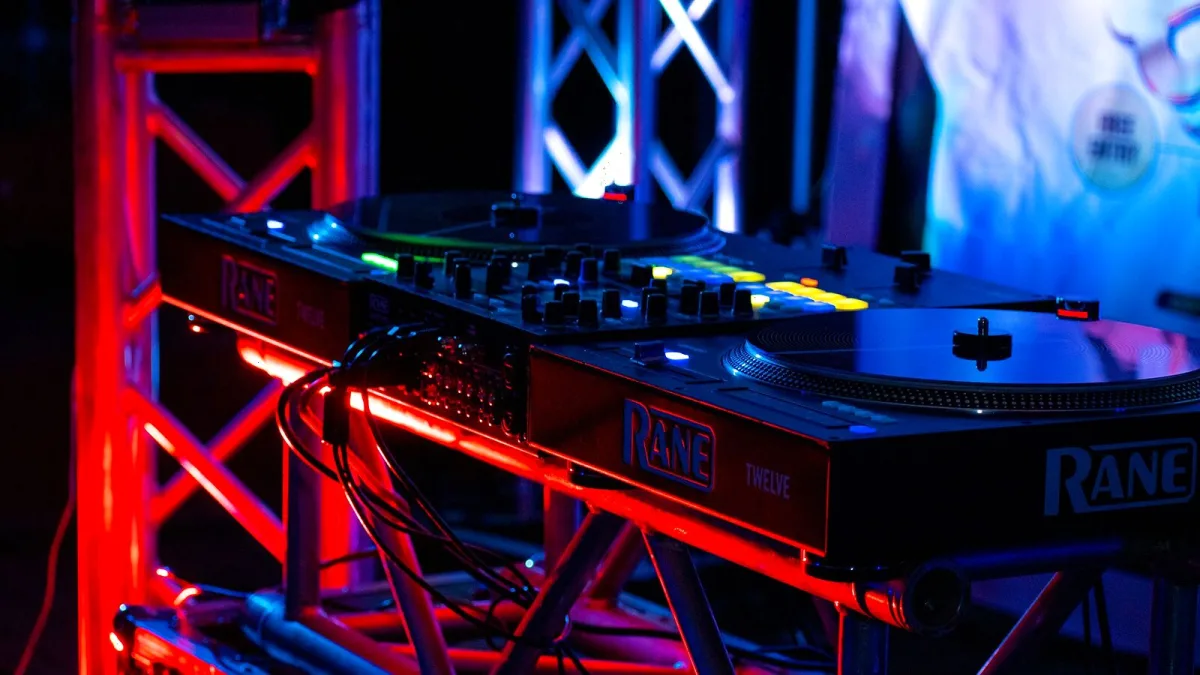
Buying a DJ turntable is not quite the same decision it was twenty years ago. The market has diversified considerably — there are decks at every price point, purpose-built scratch machines, USB-equipped models for archiving vinyl, DVS controllers that mimic the turntable experience without playing a record — and the best choice depends entirely on how you intend to use it. This guide works through the buying decision properly, without the breathless affiliate language that tends to populate these pages.
What Your Use Case Actually Determines
Before looking at any specific model, be honest with yourself about how you'll use the deck. Three scenarios lead to quite different purchases:
- Club and live mixing with vinyl: You need proven reliability, a standard layout, strong direct drive and a phono output. Quality of construction matters more than feature count.
- Scratch and turntablism: Torque becomes the headline specification. Tonearm stability and adjustability matter. The cartridge and stylus choice are as important as the deck itself.
- Home DJing, learning and occasional performance: There's room for more budget-friendly options with USB outputs and reasonable pitch control. You don't need a professional-specification deck if it's going in a bedroom.
The Non-Negotiables: What Every Buyer Should Insist On
Regardless of budget or use case, certain features are not optional in a DJ turntable worth owning:
- Direct drive. Belt-drive turntables, however good they may be for home listening, are not built for DJ use. The motor needs to connect directly to the platter to provide reliable torque and start-up speed.
- Adjustable pitch fader. A ±8% range is adequate for standard mixing. Anything less is limiting. A ±16% range is better; wider ranges on higher-specification decks are useful for extreme effects and creative work.
- Adjustable tracking force. The tonearm should allow proper setup according to the cartridge manufacturer's specification. A fixed, non-adjustable arm is a red flag at any price.
- Replaceable cartridge. Styli wear out and need replacing. A deck that doesn't accept a standard cartridge is an inconvenience that compounds over years of use.
Where Budget Gets You
Rather than making specific product recommendations that dates quickly, it's more useful to understand what different spending levels typically deliver:
Entry-level decks
In this bracket, you're generally looking at adequate direct drive, a pitch fader, phono output and the fundamental controls. Build quality varies. Many decks in this range have been designed for the consumer market and may not sustain the rigours of professional use or extended scratch technique. For learning to mix, they're often perfectly serviceable.
The Audio-Technica AT-LP120XUSB has become the most often cited entry-point reference for budget-conscious buyers, particularly those who want USB connectivity for archiving records. Whether it suits scratch use is debated — the consensus in specialist communities is that its tonearm is better suited to mixing than heavy scratch performance.
Mid-range decks
This territory tends to offer substantially better build quality, tighter tolerances, more robust tonearms and more consistent motor performance. The Pioneer DJ PLX-500 sits in this area and is designed to look and behave like the more expensive PLX-1000, though with some compromises in construction quality.
Professional-specification decks
The Technics SL-1200MK7 and Pioneer DJ PLX-1000 are the most cited professional references in the current market. Both are direct-drive decks with long track records in club and studio environments. The SL-1200 is probably the most recognized DJ turntable in the world; it defined the category and its layout is the standard against which everything else is measured. The PLX-1000 is its closest practical competitor in terms of specification and build.
At this level, you're buying reliability, consistency and a DJ turntable that will handle years of use without requiring attention.
The Cartridge Question
A turntable is only as good as the cartridge and stylus tracking the groove. This is an area where many buyers underinvest. Cartridges from Ortofon's DJ range (the Concorde series, for instance) have been club standards for decades. Audio-Technica offers capable alternatives. The stylus shape, tracking weight and compliance all affect how well the cartridge handles scratch technique, lateral stress and record preservation.
If you're buying a budget deck and intending to scratch seriously, upgrading the cartridge is often more cost-effective than upgrading the deck. The right cartridge on a moderate DJ turntable can outperform the wrong cartridge on an expensive one.
DVS: Do You Need It?
A digital vinyl system (DVS) uses timecode records to control digital audio files through software like Serato, Traktor or rekordbox. If you intend to DJ with digital music through the physical experience of vinyl manipulation, you'll need a DVS-compatible interface or mixer, the appropriate software licence and timecode vinyl.
Most quality direct-drive turntables can work with DVS, but check compatibility with your intended software before purchasing. A USB output on a turntable is not the same thing as DVS — the two serve different functions.
What to Be Wary Of
- Spec-sheet torque figures without context. Manufacturers don't always measure and publish torque consistently. Use torque claims as a rough guide rather than a precise comparison.
- USB as a selling point for DJing. USB is useful for archiving vinyl, not for live DJ performance. Don't pay extra for USB if archiving isn't part of your plan.
- Feature count over build quality. Extra switches and modes on a budget DJ turntable are worth less than solid construction and a reliable motor. Focus on fundamentals.
Before You Decide
For a technical explanation of how a DJ turntable actually works — direct drive, torque, pitch faders and tonearms — the features explainer is worth reading before you buy. If you're completely new to DJing on vinyl, the beginner's guide covers what you actually need to know to get started. And the mistakes guide covers the purchasing and setup errors that cost beginners the most time and money.




Comments