


Lighting Stand roundup
Lighting Stand: A Complete Buyer's Guide
Buying the wrong lighting stand only shows up as a problem at the worst moment — here's how to get it right before you order.
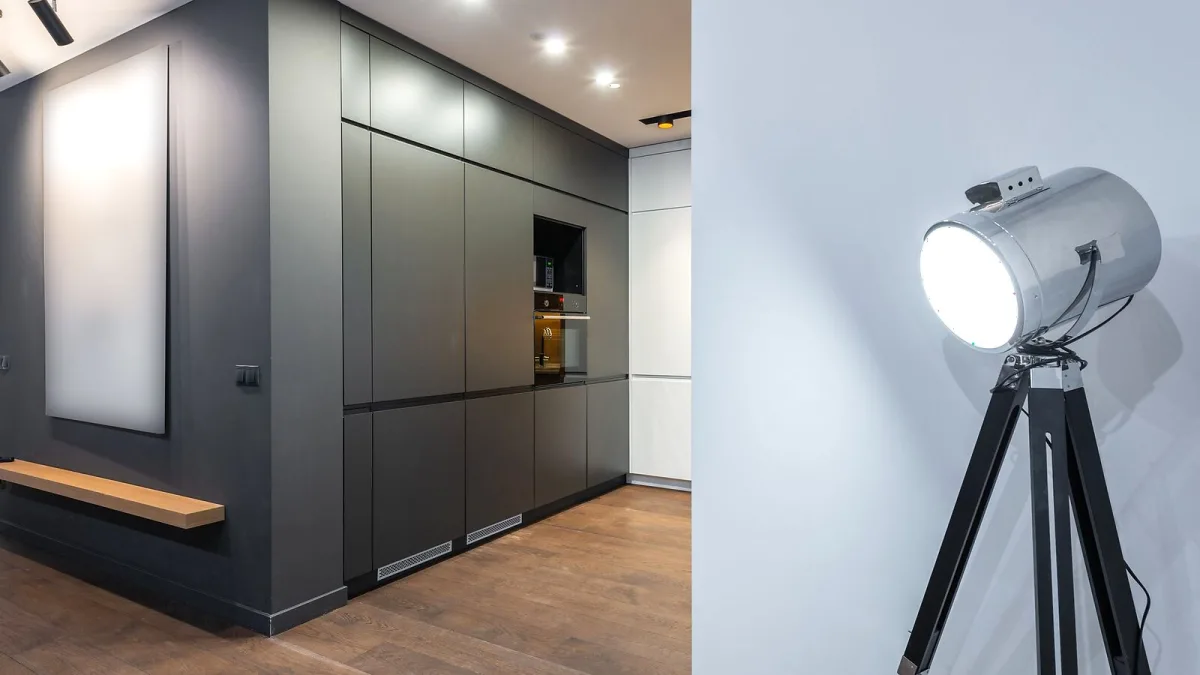
Buying the wrong lighting stand for the job is one of those mistakes that only shows up at the worst possible moment — halfway through a set, in the wind, with a fixture wobbling above someone's head. Let's make sure that doesn't happen to you.
Start With What You're Actually Rigging
Work out your fixtures before you look at any lighting stand: how many, how heavy, and whether they're going on individual tripods or spread across a T-bar or truss. A single moving head needs a genuinely different stand to three lightweight PAR cans on one bar, and buying without that number in hand is how people end up with kit that's either overkill or dangerously undersized.
Safe Working Load Is Non-Negotiable
This is the number that actually matters, and it's not the same as "how much weight can this thing physically hold up." Use the manufacturer's rated safe working load, add up your actual fixture weights (including clamps and cabling), and leave real margin. Don't round up hopefully — round down conservatively.
Comparing Stand Types
| Type | Good for | Budget |
|---|---|---|
| Basic tripod | One or two lightweight fixtures | Lowest cost |
| T-bar | Several fixtures across one bar | Moderate |
| Truss stand | Wider coverage, more professional look | Higher, plus rigging time |
| Wind-up stand | Heavier fixtures, greater height | Higher again |
Height, Base and Packed Size
On any lighting stand, maximum advertised height isn't the same as safe operating height — wind and uneven floors both reduce what's actually sensible to extend to on the night. A wider base spread genuinely improves stability, but it eats floor space, which matters in a small club or DJ booth. And don't ignore packed dimensions: a stand that won't fit in your usual vehicle is a problem you only discover once, and it's an expensive lesson.
Mounting Compatibility
Check spigots, clamps, brackets and T-bar fittings on your chosen lighting stand actually match your fixtures before you buy, not after the box arrives. Mixing brands is completely normal in this world, but "should probably fit" is not the same as "confirmed compatible," and returns on lighting hardware are more hassle than most people expect.
Don't Forget the Safety Extras
- Safety bonds — a rated wire-rope tether for every fixture, non-negotiable above people's heads.
- Ballast — sandbags or equivalent, especially outdoors or at full extension.
- Cable management — route power and data so nothing can pull the stand sideways.
These aren't optional add-ons priced separately for fun; budget for them as part of the actual purchase, not an afterthought once the stand's already in the van. A cheap lighting stand with no money left over for a proper safety bond isn't actually cheap once you factor in what a falling fixture can do.
Before You Buy
- Total your actual fixture weight, including clamps and cable.
- Check safe working load against that total, with margin.
- Confirm mounting compatibility with your specific fixtures.
- Measure your usual transport space against packed dimensions.
- Budget for safety bonds and ballast alongside the stand itself.
If you want the fuller picture on types and terminology first, our full explainer covers it, and common mistakes to avoid is worth a read before you commit to a purchase.



Comments