


Lighting Stand article
Common Lighting Stand Mistakes to Avoid
Most lighting setups that go wrong aren't the fixture's fault. Here are the mistakes I see most often, and how to avoid every one.
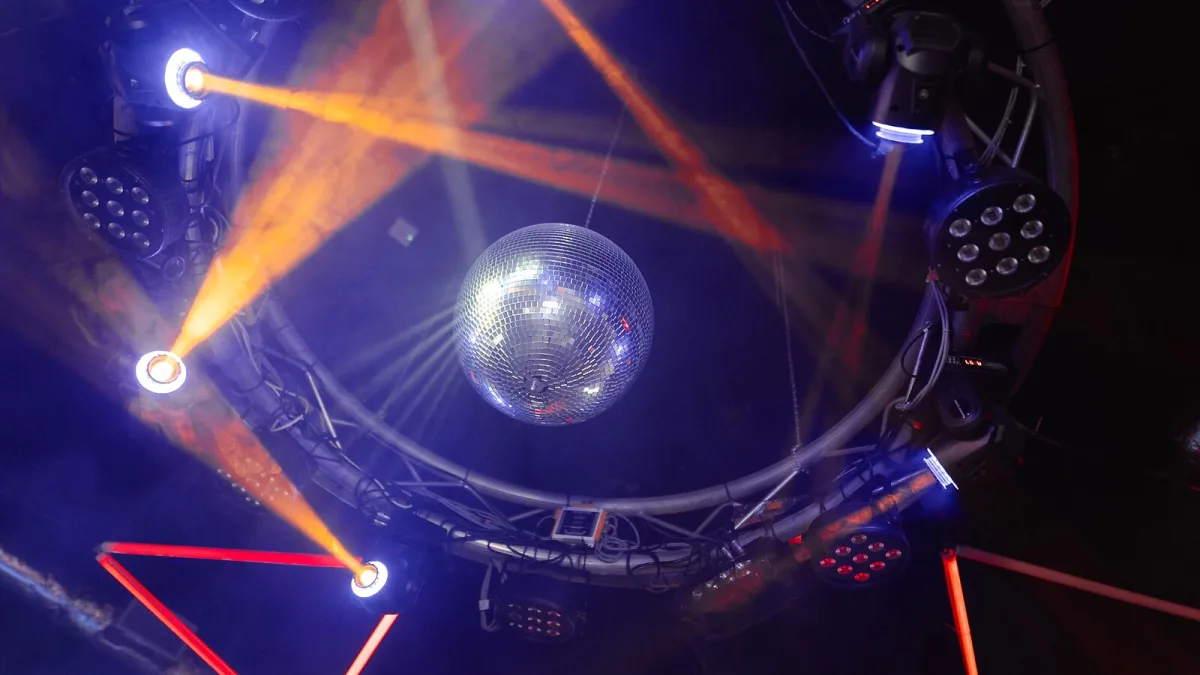
I've watched a fair few lighting setups go wrong at festivals and club nights, and it's almost never the fixture's fault — it's the lighting stand holding it up. Here's the honest list of where people trip themselves up, so your rig doesn't end up as the story everyone tells afterwards.
Mistake 1: Trusting "Looks Sturdy" Over the Actual Rating
A lighting stand that feels solid when you shake it in the shop isn't the same as one rated for your actual fixture weight. Always check the manufacturer's safe working load, add up your real fixture weights including clamps and cable, and leave genuine margin instead of guessing.
Mistake 2: Maxing Out the Height Because You Can
Full extension looks impressive right up until a gust of wind or a bumped leg sends the whole thing over. A lower, more stable setup nearly always beats a taller, wobblier one, especially anywhere near a crowd.
Mistake 3: Skipping the Safety Bond
People treat safety bonds like something only "proper" touring rigs need. They're cheap, quick to fit, and they're the backup that matters the one time a clamp fails. Fit one on every fixture mounted above head height, every single time.
Mistake 4: Forgetting Ballast Outdoors
Wind turns a tall, unballasted stand into a genuine hazard fast, and outdoor gigs are exactly where people forget it because everything feels more relaxed. Sandbags or an equivalent aren't optional extras once you're outside or at full extension.
Mistake 5: Running Cables Straight Through the Crowd Path
A trip hazard is a trip hazard whether it's a power cable or a DMX line, and a yanked cable can pull an entire stand over with it. Route cables away from foot traffic, and tape them down properly wherever they can't be avoided.
Mistake 6: Uneven Loading on a T-Bar
Piling your heaviest fixture off to one side of a T-bar is asking for the whole thing to tip. Distribute weight symmetrically across the bar, and keep the heaviest fixture as close to centre as the layout allows.
Mistake 7: Leaving a Loaded Stand Unattended
A loaded, extended stand left alone near a walkway or in changing wind conditions is a problem waiting to happen. If you have to step away, either lower it or make sure someone's actually keeping an eye on it.
Mistake 8: Ignoring Packed Dimensions Until Load-Out
Discovering your new lighting stand doesn't fit the van at the end of a long night is a genuinely miserable way to learn a lesson. Check packed size against your actual transport before you buy, not after.
Mistake 9: Assuming Wireless Control Removes Every Cable
Wireless DMX gets rid of the data cable, not the power cable, and definitely not the risk of a fixture snagging on something and pulling at the stand. Cable management still matters just as much.
Getting It Right
Avoid these and running lights stops being a gamble every time you set up. Our buyer's guide and full explainer both cover getting the right lighting stand for your rig from the start.



Comments