


Lighting Stand article
Everything You Need to Know About Lighting Stand
Unglamorous but genuinely essential — here's what's actually going on underneath the fixtures on a proper lighting stand.
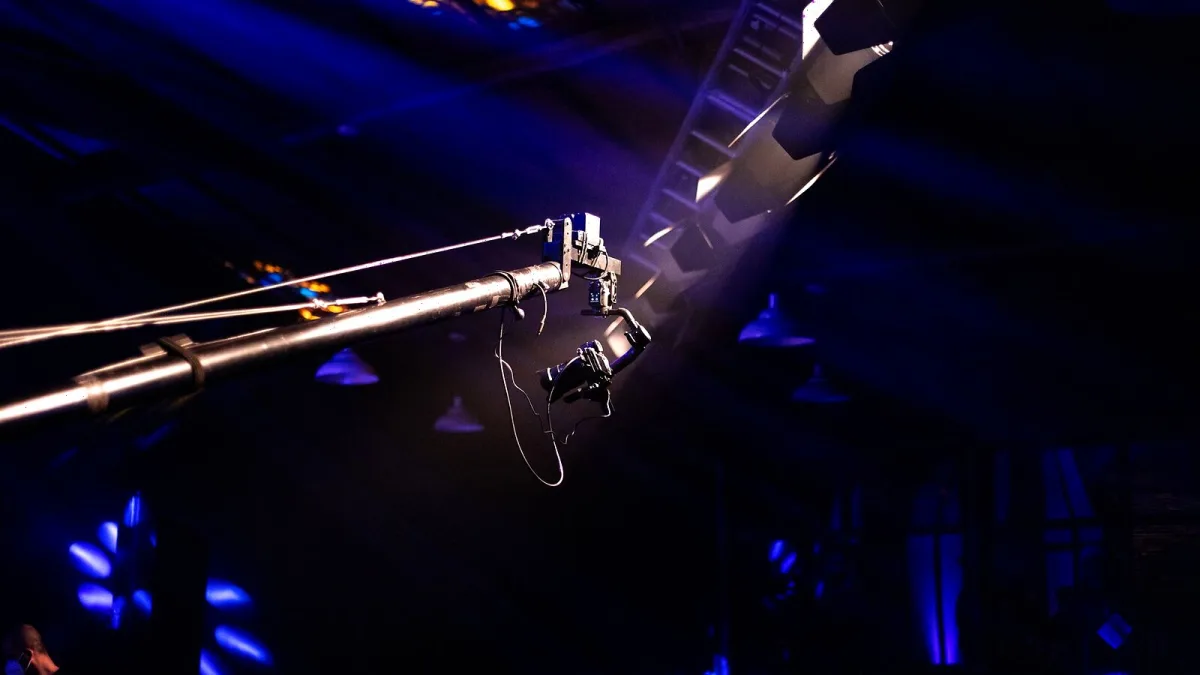
A lighting stand doesn't get much glory, but it's doing genuine work every time you see a rig lit up over a small stage or a DJ booth. It's the thing holding your fixtures in the air, off the floor, at exactly the angle that makes a set actually look like a show. Here's what's actually going on underneath the lights.
What a Lighting Stand Actually Is
At its core, a lighting stand is a portable, height-adjustable support — usually a three-leg base with a telescoping centre column, locking mechanisms and a mounting point or spigot on top for a fixture. Some versions add a horizontal T-bar or short truss section so you can rig several fixtures on one stand instead of buying a forest of individual tripods.
The Main Types
| Type | Best for | Watch out for |
|---|---|---|
| Basic tripod | One or two lightweight fixtures | Limited capacity and stability |
| T-bar stand | PAR cans and small effect fixtures, spread across a bar | Uneven loading can tip the whole thing |
| Truss stand | Multiple fixtures, wider stage coverage | Heavier and more demanding to rig safely |
| Wind-up stand | Heavier fixtures, greater height | More expensive, needs careful operation |
| Lighting tower/lift | Larger productions, heavy loads | Overkill for a small, lightly-staffed setup |
None of these are objectively "the best" — a wind-up stand solves a problem a solo mobile DJ probably doesn't have, and a basic tripod won't cut it for a proper truss rig with moving heads on it.
Where a Lighting Stand Actually Gets Used
Touring acts without a dedicated lighting truck, mobile DJs, club and bar gigs, temporary outdoor stages, rehearsal spaces, houses of worship — basically anywhere you need lights positioned properly without a permanent rig bolted into the ceiling. It's not a photographic tripod wearing a different hat, either: stage fixtures are heavier, move dynamically, trail cables that create trip hazards, and sit at heights where a fall genuinely matters.
Specs That Actually Matter
- Safe working load — the manufacturer's rated figure, not what the stand looks like it could hold.
- Maximum height — and remember the advertised max isn't necessarily the safe operating height in wind or on uneven ground.
- Base spread — a wider footprint means more stability, at the cost of floor space.
- Mounting interface — check spigots, clamps, brackets and T-bars are actually compatible with your fixtures.
- Packed size — matters a lot more than people think once you're loading a van repeatedly.
Safety: The Bit You Genuinely Can't Skip
A safety bond — a rated wire-rope tether from fixture to stand — is a secondary retention system, not an optional extra, on any fixture mounted above people's heads. Outdoors or at full extension, ballast (sandbags being the common option) keeps a tall, loaded stand from becoming a wind hazard. Spread and lock the legs fully, keep the heaviest fixture near the centre of the load, and route cables so they can't drag the stand sideways.
Power and Control
The stand itself has nothing to do with how you control the fixtures on it — that's down to manual switching, DMX cable, wireless DMX or fixture-to-fixture linking. Going wireless removes a data cable, but it doesn't remove the power cable, the safety requirements, or the risk of a fixture yanking on the stand if something snags.
Getting It Right
If you're choosing your first one, our buyer's guide covers exactly what to check before you buy, and if you're completely new to lighting rigs, the beginner's guide starts from scratch. A good lighting stand is unglamorous, genuinely essential kit, and getting the basics right keeps both your fixtures and your audience safe.



Comments