


Vinyl Record Cleaning Machines article
A Guide to Vinyl Record Cleaning Machines
Crackle isn't always the vinyl's fault — it's often just dirt. Here's what a record cleaning machine does, and which type actually suits you.
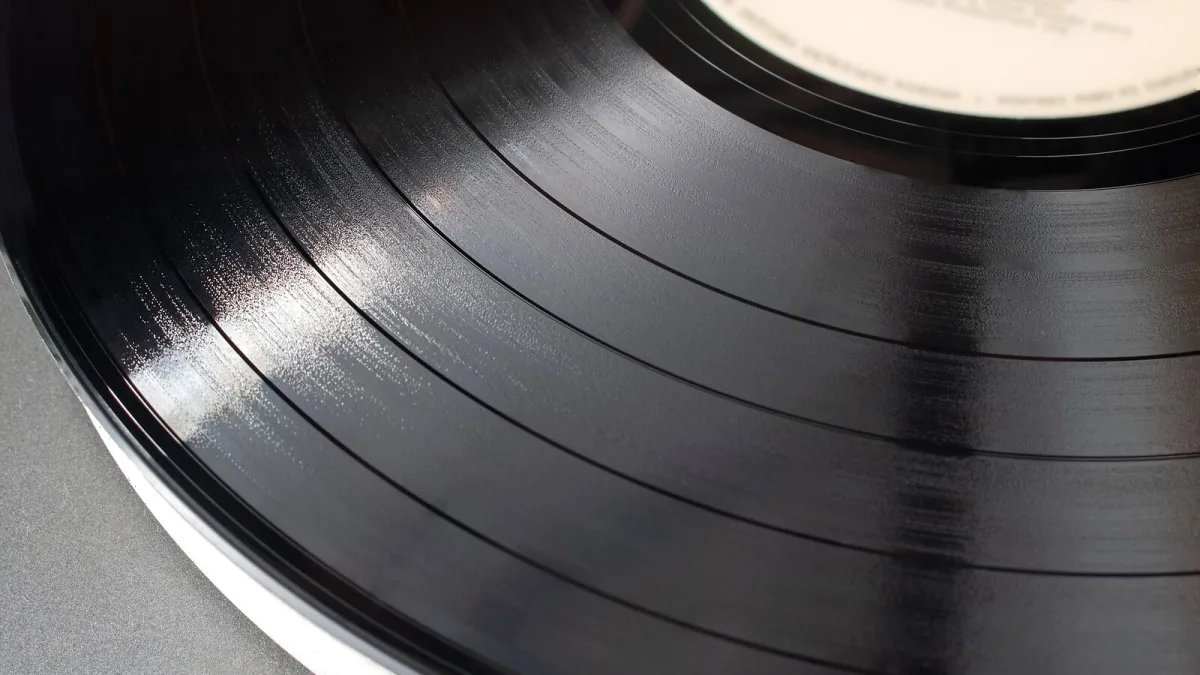
There's a moment every crate-digger knows: you've found a genuinely great pressing, you get it home, drop the needle, and it crackles like a campfire. Nine times out of ten that's not the vinyl failing you — it's just dirt sitting in the groove, and a proper record cleaning machine (often shortened to RCM) will sort it out far better than a brush and a bit of hope ever will.
What an RCM Actually Does
A record groove is tiny, and it holds onto dust, fingerprint oils and mould-release residue in ways a dry carbon-fibre brush just moves around rather than removes. A record cleaning machine uses fluid to loosen that contamination, works it into the groove, then gets rid of the dirty liquid before it dries back onto the surface. Done properly, that can genuinely reduce ticks, crackle and mistracking — though it's worth being honest that it can't fix everything, which we'll come back to.
The Main Types of RCM
Manual Washers
Spin-Clean-style systems are the simplest and cheapest way in: the record rotates through a fluid bath, brushes work the liquid into the grooves, and you dry it by hand. Low cost, genuinely effective on moderately dirty records, but more hands-on than the other options.
Vacuum Machines
A vacuum-based unit brushes fluid into the groove, then sucks the contaminated liquid straight back off through a vacuum slot. Brands like VPI, Pro-Ject and Record Doctor have built solid reputations here. They're noisy, but the immediate fluid removal makes them genuinely effective on heavily soiled records.
Ultrasonic Machines
These use high-frequency sound to create cavitation — tiny bubbles that form and collapse in a liquid bath, dislodging contamination without a brush ever touching the record. Products from Degritter, KLAUDIO, Kirmuss and HumminGuru sit in this category, ranging from genuinely affordable compact units up to serious money for the most automated designs. The appeal is minimal direct contact and, in some models, fully automated drying.
Hybrid Workflows
For heavily soiled or valuable records, a lot of experienced collectors pre-clean with a manual or vacuum pass before finishing on an ultrasonic bath — it takes more time and fluid, but it's the most thorough combination available.
Should New Records Get Cleaned Too?
It sounds counterintuitive, but yes — a factory-fresh pressing can still carry fingerprints, handling marks and lint from its inner sleeve. Running even a brand-new record through a record cleaning machine before its first play is a habit a lot of serious collectors swear by, and it costs nothing but a few extra minutes.
Which Type Actually Suits You
| Your situation | Best-suited type |
|---|---|
| Small collection, occasional cleaning | Manual washer |
| Moderate collection, heavily used records | Vacuum machine |
| Large collection or restoration work | Ultrasonic or hybrid |
| Rare or valuable pressings | Whichever gives the most reliable label protection and drying |
Running Costs Nobody Mentions Upfront
Whichever type you go for, factor in ongoing costs beyond the machine itself: cleaning fluid, replacement brush pads on vacuum units, filters on some ultrasonic tanks, and eventually a bath change on ultrasonic systems once it's visibly dirty. None of this is expensive on its own, but it adds up over a few years of regular use, and it's worth knowing about before you buy rather than after.
What Cleaning Genuinely Can't Fix
Be realistic about what any cleaning system can and can't do. Removable dirt and grime often clears up dramatically. Groove wear, physical scratches, pressing defects and mould damage that's already embedded in the vinyl are a different story — no machine repairs those, and reduced surface noise after a clean doesn't mean underlying damage has magically disappeared.
Where to Go Next
Thinking about buying one? Our complete buyer's guide to record cleaning machines covers exactly what to weigh up by budget and collection size, and once you've got one, our step-by-step setup guide walks through doing it properly from the first record onward.
Bottom Line
A decent RCM is one of the few upgrades that can genuinely transform how your existing collection sounds, not just future purchases. Match the type to your collection size and how much hands-on effort you're happy putting in, and be honest with yourself about the records that are noisy for reasons no machine will ever fix.




Comments