


Vinyl Cleaner Kit article
Vinyl Cleaner Kit for Beginners: A Complete Guide
Joseph Taylor's reassuring starting point for anyone new to vinyl: the bare minimum a vinyl cleaner kit needs to include, and what can safely wait.
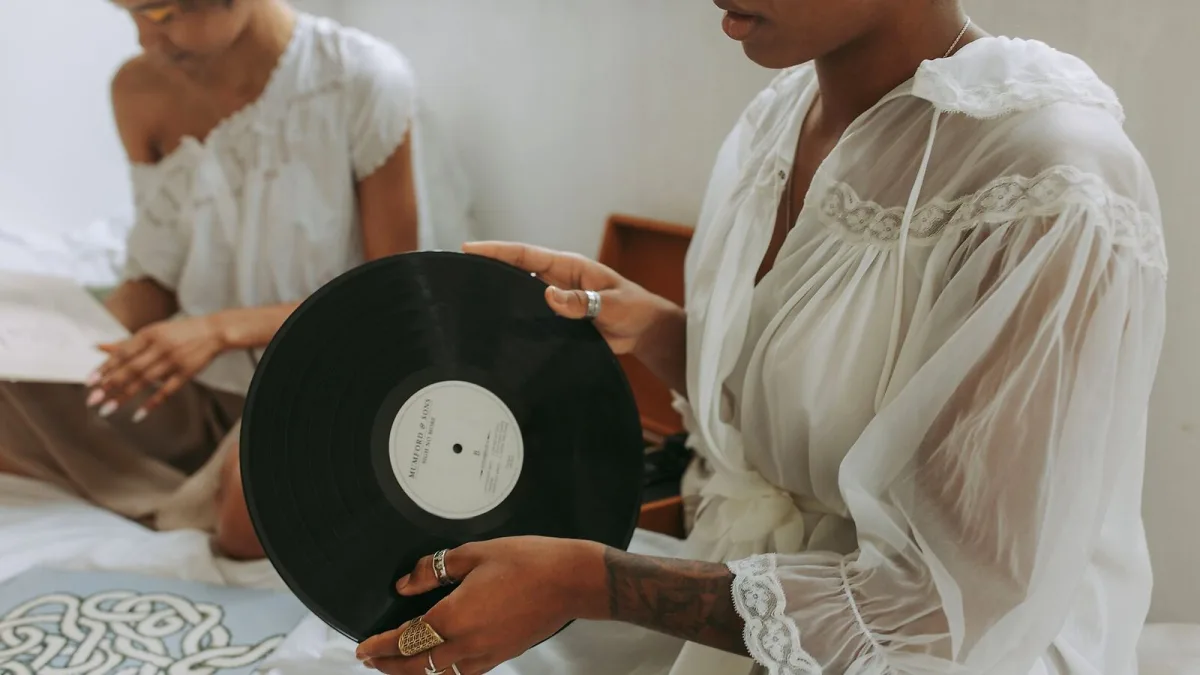
If you've just picked up your first turntable, or inherited a box of records from a relative, the idea of a vinyl cleaner kit can feel like one more thing to worry about before you've even played a note. It really isn't. You need very little to get started, and I'd rather you play a slightly dusty record tonight than put it off waiting for the perfect setup. Here's what I'd tell a friend starting out, without any of the jargon.
Do you actually need one yet?
If every record you own arrived new, sealed and unplayed, you could reasonably wait. But most of us start with a mix — a few new pressings, a handful from a parent's collection, maybe a stack from a car boot sale. Any of the second-hand ones can carry dust, fingerprints or years of storage grime, and playing them without a clean first will grind that straight into the groove. So: if there's a single second-hand record in your stack, it's worth having a basic vinyl cleaner kit before you drop the needle.
The bare minimum to start with
You do not need a full workbench of gear. Two things will cover almost every beginner's needs:
- A carbon-fibre brush — a small, soft brush that lifts dust before every play. Use it every single time, new record or old.
- A bottle of record-specific cleaning fluid with a soft pad — for the records that need more than a brush.
That's genuinely it for your first few months. Everything else — washing basins, automated machines, label clamps — can wait until you know how much you're actually going to be cleaning, and how often.
Your very first clean, in plain English
Don't overthink this. The dry brush routine takes seconds: rest it lightly on the record as it turns once or twice, then sweep it off the edge so the dust goes with it, not back into the groove. No pressing hard, no scrubbing.
For a wet clean on a dirtier record, follow whatever the bottle tells you — most ask for a light spray or a few drops, worked gently along the groove with the pad, then wiped clean and left to dry fully before it goes anywhere near the platter or the sleeve. If the instructions on the bottle disagree with something you've read online, trust the bottle. It's telling you about its own formula.
Mistakes I'd steer you away from
A few habits catch out almost everyone starting out:
- Using too much fluid. A light coat does the job; a soaking risks the label and takes longer to dry properly.
- Reaching for kitchen products. Washing-up liquid, glass cleaner and paper towels all seem harmless but can leave residue or mark the surface.
- Sleeving a damp record. Always let it dry completely first — a rack, a stand, or simply leaning it safely for a few extra minutes.
- Skipping the dry brush because "it looks fine." Dust you can't see is still dust the stylus will find.
None of these are disasters if you catch them early — they're just habits worth building correctly from day one, rather than un-learning later. Our guide to common cleaning mistakes goes into more of them if you want the fuller list.
What a kit won't do — and that's fine
Manage your expectations here, because it'll save you disappointment. Your vinyl cleaner kit removes dust, fingerprints and grime. It will not repair a scratch, undo genuine groove wear, or turn a heavily played record back into a mint one. If a second-hand find sounds a bit noisy after a proper clean, that's very likely wear rather than dirt, and no amount of fluid will change that. It's still worth cleaning — you'll just be managing its condition rather than transforming it.
When it's time to upgrade
You'll know. It usually happens gradually: your collection grows, more of it arrives second-hand, and the brush-and-fluid routine starts taking longer than you'd like on the dirtiest pieces. That's the point to look at a proper washing system or, further down the line, an automated cleaner. There's no rush, and no shame in staying with the basics for years — plenty of experienced collectors do exactly that. If you want the fuller picture of how everything fits together, our general guide to vinyl cleaner kits covers the full range, and our step-by-step setup guide is there whenever you're ready for the full routine.
The bottom line
Start small: a brush, a bottle of proper fluid, and a bit of patience while a record dries. That's a genuinely complete beginner's setup, and it will serve you well until you've got a real sense of what your own collection actually needs.




Comments