


Vinyl Cleaner Kit article
A Guide to Vinyl Cleaner Kit
Joseph Taylor breaks down what a vinyl cleaner kit actually contains, why dry and wet cleaning solve different problems, and when it's worth stepping up to a proper washing system.
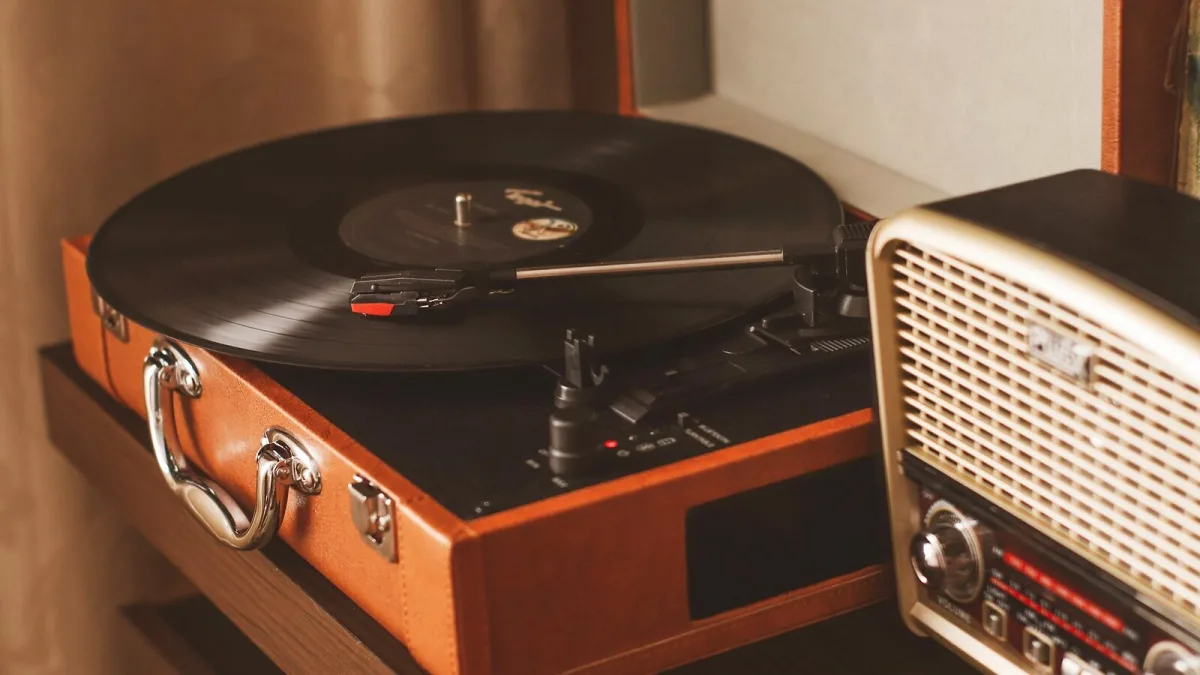
I've lost count of the records that have come through my hands over the years, and I've lost just as many stylus tips to grooves I should have cleaned before I dropped the needle. A good vinyl cleaner kit isn't a luxury for the fussy collector — it's the difference between a record that crackles with dust and one that plays the way the pressing engineer intended. This guide sets out what these kits actually contain, why records get dirty in the first place, and how to match the right cleaning approach to the state of your collection.
What's actually in a vinyl cleaner kit
Strip away the marketing and most kits boil down to the same handful of tools, just assembled with varying degrees of polish:
- A dry brush, usually carbon-fibre or otherwise conductive, for sweeping loose dust off the surface before a play.
- A wet-cleaning solution formulated specifically for vinyl, rather than anything borrowed from the kitchen cupboard.
- A velvet, microfibre or purpose-made pad to apply and lift the fluid.
- A label protector or clamp on the more thorough kits, keeping moisture off the paper label.
- Lint-free cloths or a drying rack, so the record isn't sleeved while still damp.
For a record that's merely dusty, a brush and a bottle of fluid will see you right. For a collection carrying years of grime, fingerprints or worse, you'll want to think in terms of a proper washing system rather than a wipe-and-hope approach.
Why records get dirty in the first place
It's worth understanding what you're actually removing, because it changes how you approach the job. Records accumulate several distinct kinds of contamination: airborne dust that settles whenever a sleeve is left open, skin oils transferred every time someone touches the playing surface rather than the edge, smoke and cooking residue that drift in from the room, paper fibres shed by cheap inner sleeves, and — in records that have spent time in damp storage — mould or mildew. A dry brush deals capably with the first of these. It's next to useless against the rest, because oils and embedded grime sit in the groove itself, not on top of it.
That's the real logic behind pairing a brush with a fluid: the brush is maintenance, the fluid is intervention. Treat them as complementary rather than interchangeable, and a great deal of the confusion around vinyl cleaner kits disappears.
Dry cleaning versus wet cleaning
Most disagreements I hear at record fairs about "the right way to clean vinyl" actually come down to people applying one method where the other is needed. The table below is how I'd explain it to someone browsing my own shelves.
| Record condition | Recommended approach | Main limitation |
|---|---|---|
| New or lightly dusty | Carbon-fibre brush before each play | Doesn't touch embedded grime |
| Fingerprints or light residue | Dedicated fluid with a velvet or microfibre pad | Needs careful, thorough drying |
| Heavily soiled records | Spin-cleaning basin or vacuum system | More time, fluid and clean-up involved |
| Large or inherited collections | Automated or semi-automated cleaner | Higher outlay and some ongoing maintenance |
| Mould-contaminated records | Isolated deep clean plus fresh inner sleeves | Needs careful handling and separate storage while you work |
Beyond the basic kit: washing systems and machines
Once you're past the odd fingerprint, a step up in equipment starts to make sense. A Spin-Clean-style manual washer rotates the record through a cleaning bath with brushes on either side, reaching into the groove in a way a hand-applied pad struggles to match. Further up the ladder sit vacuum record-cleaning machines and, more recently, automated units such as those from HumminGuru, which combine an ultrasonic bath with label protection and built-in drying. Hand-cleaning ranges like GrooveWasher sit somewhere in between — a dedicated fluid and pad system aimed at routine wet cleaning rather than industrial-scale restoration.
None of this is universally agreed upon, and I'd say the current crop of "best kit" round-ups you'll find online lean more editorial than laboratory — treat their rankings as informed opinion, not settled fact. What is consistent across the genuinely useful guides is the instruction to keep fluid off the label, work along the groove rather than across it, and dry the record fully before it goes anywhere near a sleeve or a platter.
Cleaning the record isn't cleaning the stylus
This trips up more people than it should. A vinyl cleaner kit addresses the record; it does nothing for the stylus, which picks up its own film of dust and residue from every play. A dirty stylus can, in fact, redeposit contamination back onto records you've only just cleaned. Stylus cleaning is a separate job, done with its own dedicated product, and it deserves a gentler hand than the record itself — cartridge assemblies are delicate, and lateral pressure on the cantilever is not something you want to risk.
Static, drying and the sleeve you put it back in
A conductive brush helps with static as well as dust, though room humidity, platter material and the sleeves you use all play a part too — a kit reduces static symptoms, it doesn't eliminate the cause entirely. Drying matters more than most newcomers expect: fluid left in the groove attracts fresh dust, can transfer to the stylus on the next play, and — if the record goes back into its sleeve while still damp — can leave the sleeve itself compromised. A record that's been cleaned properly and dried fully will also want a clean inner sleeve, particularly if the old one was shedding paper fibres in the first place.
It's also worth being honest about what a vinyl cleaner kit cannot do. Cleaning removes noise caused by dirt and residue. It does not repair scratches, restore worn groove walls, or reverse genuine pressing defects — a clean record is not automatically a quiet one, and no amount of fluid will fix physical damage.
The bottom line
A sensible vinyl cleaner kit — brush, dedicated fluid, decent pad, a way to dry the record properly — will keep the average collection sounding as it should. Reach for a washing system or automated cleaner once you're dealing with real quantities of soiled or second-hand stock, and always separate the record cleaning job from stylus care. If you're just starting to build your own routine, our beginner's guide to vinyl cleaner kits walks through the bare essentials, and our step-by-step setup guide covers the actual cleaning process in full.




Comments