


Vinyl Cleaner Kit article
Common Vinyl Cleaner Kit Mistakes to Avoid
Oliver Thompson runs through the record-cleaning mistakes he sees most often, and the simple habits that keep your records and their labels out of trouble.
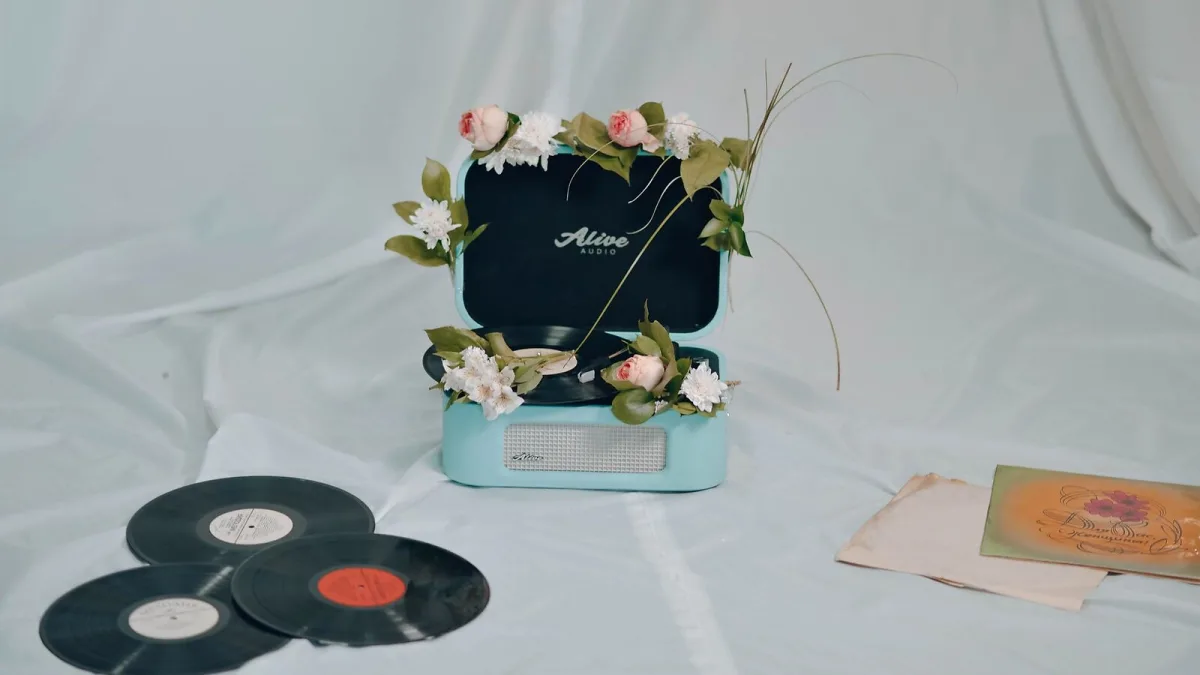
I've watched more than one mate ruin a lovely second-hand find by "cleaning" it with whatever was under the sink. A vinyl cleaner kit is a simple bit of gear, but the routine around it has more ways to go wrong than you'd think. Here's the full rundown of the mistakes I see most often with a vinyl cleaner kit, gathered from years of crate-digging and more than a few of my own early errors.
Using far too much fluid
This is the number one culprit. It's tempting to think more fluid means a deeper clean, but the opposite is usually true. Excess liquid pools around the label, takes far longer to dry, and can end up redistributing dirt rather than lifting it off. Follow the maker's dilution and application instructions exactly — a light, even coat does the job, and a soaking just creates more problems to solve.
Reaching for household cleaning products
Soap, washing-up liquid, glass cleaner and general disinfectant were never made with vinyl in mind, and neither was a paper towel. Paper towels in particular can leave fibres behind or abrade the surface with their rough texture. If it isn't a solution made specifically for records, leave it in the cupboard.
Skipping the label protector
Paper labels stain, swell and can peel away from the record when they're exposed to too much liquid, and a soaked label is very hard to undo. If your kit includes a mask or clamp, use it every time you're doing a proper wet clean — it takes seconds and saves you from a mistake you can't take back.
Playing a record before it's fully dry
Damp records are magnets for fresh dust, and any moisture left in the groove can transfer straight onto the stylus. Sleeving a record before it's completely dry is just as bad — it can leave the sleeve itself contaminated and set you up for the exact problem you were trying to fix. Give it the time it needs on a rack or stand before it goes anywhere.
Using one cloth for everything
A pad that's been used to apply and lift dirty fluid is not the pad you want doing your final drying pass. Keep a separate, clean microfibre cloth reserved only for drying, and wash your application pad regularly and separately from anything treated with fabric softener, which can leave its own residue.
Cleaning across the groove instead of along it
Wiping side to side, or in circles, works against the shape of the groove rather than with it. Always work fluid and cloths along the direction the record spins, not across it — it's a small habit that makes a genuine difference to how cleanly the fluid lifts off.
Never cleaning the brush or pad itself
A dry brush loaded with old dust will happily redistribute that dust onto the next record you use it on, rather than lifting anything off. Clean your brush regularly, and treat a grubby application pad the same way — a vinyl cleaner kit that's never cleaned eventually stops doing the job it's meant for.
Mixing up record cleaning and stylus cleaning
These are two separate jobs with two separate products, and conflating them is a common and costly mistake. A record cleaner does nothing useful for your stylus, and using record fluid anywhere near the cartridge risks the one part of your setup that's genuinely delicate. Stylus care needs its own routine, applied gently and separately.
Expecting a clean to fix damage
This one's about expectations rather than technique. Cleaning removes dust, oils and residue — it does not repair a scratch, undo genuine groove wear or reverse a manufacturing defect. If a record still sounds noisy after a proper clean, that's very likely wear rather than dirt, and no fluid on the market will change that.
A quick reference
| Mistake | Why it matters |
|---|---|
| Too much fluid | Pools at the label, slows drying, spreads dirt |
| Household cleaners | Can leave residue or abrade the surface |
| No label protector | Paper labels stain and swell when wet |
| Playing while damp | Attracts dust, can mark the stylus and sleeve |
| One cloth for everything | Redeposits dirt instead of removing it |
| Wiping across the groove | Works against the groove rather than with it |
The bottom line
None of these vinyl cleaner kit mistakes are complicated to avoid — most of them just come down to slowing down and following the instructions on the bottle rather than improvising. If you're setting up your routine from scratch, our step-by-step setup guide walks through the correct sequence in full, and our beginner's guide is a good place to start if you're new to all this.




Comments