


Woodwind Instruments article
Woodwind Instruments for Beginners: A Complete Guide
That first, slightly hopeless week is where every woodwind player starts. Here's what actually matters when you're just setting out, and what can wait.
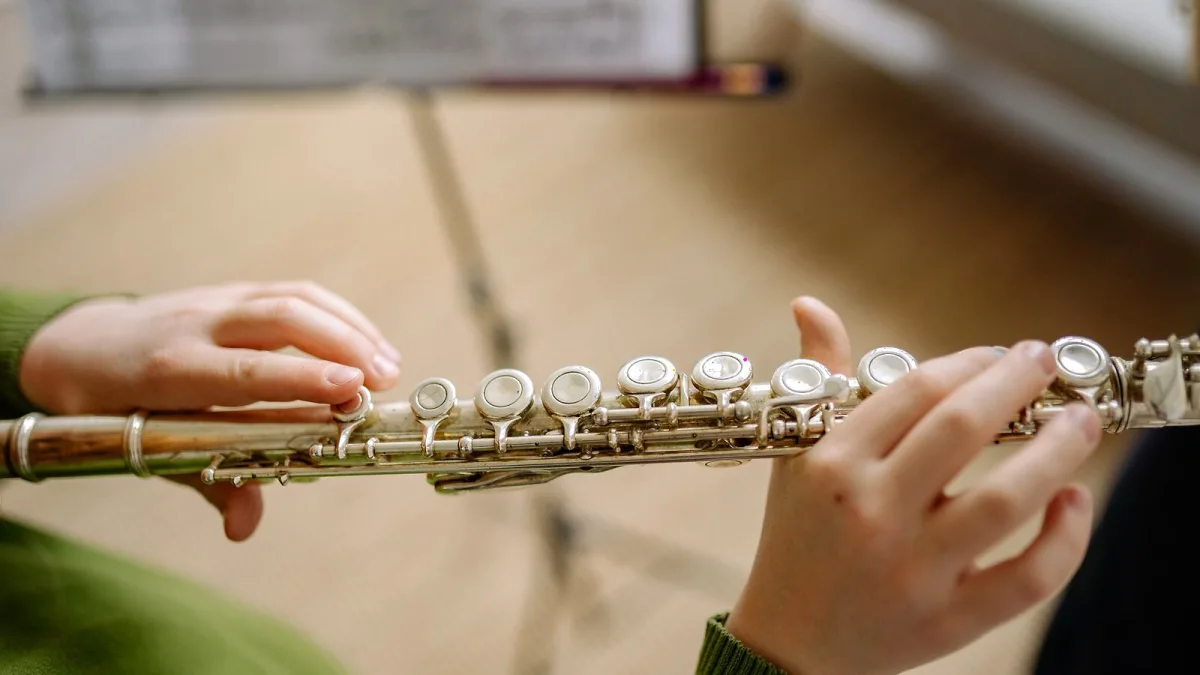
I remember standing in front of my first tin whistle as a boy, utterly baffled by how something so simple could sound so alive in someone else's hands and so hopeless in mine. That's usually where the story starts with woodwind instruments — a slightly humbling first few weeks with any of these instruments, followed by a genuine sense of discovery once the basics click into place. If you're just setting out, here's what actually matters at the start, and what you can safely leave for later.
You don't need to pick "the best" instrument — just a sensible first one
New players often agonise over which woodwind instrument is objectively best to learn on. There isn't one. What matters is finding a good match for your hands, your ear and, frankly, the sound that makes you want to keep practising on a grey Tuesday evening.
- Flute: no reed to manage, which removes one variable while you're learning everything else.
- Clarinet: a single reed and a forgiving early learning curve for most beginners.
- Saxophone: also single-reed, with an immediately recognisable, satisfying sound.
- Oboe or bassoon: wonderful instruments, but the double reed asks more of a beginner, so most teachers suggest starting these a little later or with close guidance from day one.
Renting first is not admitting defeat
There's a quiet assumption that serious musicians buy outright from day one. In my experience, the opposite is usually wiser. A rental instrument lets you find out, cheaply, whether a particular family member genuinely suits you before any real money changes hands. If it doesn't click after a few months, you've lost very little and learned something useful about your own ear and hands.
The first sound you'll actually make
Every family member has its own particular first hurdle:
- Flute players spend their earliest sessions simply learning to produce a clean, steady tone by directing air correctly across the embouchure hole. It can feel like nothing but breath for a fortnight — stick with it.
- Clarinet and saxophone players learn to balance air pressure against the reed's resistance, which takes a little patience but tends to click sooner than flute embouchure does.
- Oboe and bassoon players are, from the very first note, managing a genuinely delicate reed, and most benefit enormously from a teacher present at that first attempt.
A gentle first month of practice
Nobody needs a rigorous regime in week one. A sensible early routine looks something like this:
- Spend five to ten minutes simply producing a steady, controlled sound before worrying about notes or tunes.
- Learn the first handful of notes slowly, checking finger position rather than speed.
- Practise moving between just two or three notes smoothly, without gaps or squeaks.
- Add a simple tune once those notes feel comfortable, playing it slower than feels natural.
- Finish each session on something that sounded good, even briefly — it matters more than you'd think for keeping at it.
Looking after a beginner instrument
A few small habits with beginner woodwind instruments save a great deal of frustration and expense later:
- Swab moisture from the bore after every session.
- Never leave a reed clipped to the mouthpiece in storage — let it dry naturally.
- Rotate two or three reeds rather than wearing out a single one.
- Get a squeaky key or a sticky pad looked at properly rather than living with it.
Words that will crop up early on
A short glossary of words you'll hear early on with woodwind instruments: the embouchure is the shape and position of your lips, jaw and facial muscles around the mouthpiece or headjoint. Intonation simply means how in-tune a note is. A tone hole is one of the openings along the body that a finger or key covers to change pitch. None of it is complicated once you've heard it once or twice in context.
What to skip worrying about, for now
New players often fret over bore shape, material and brand reputation long before any of it matters to their playing. Cylindrical versus conical bore design, silver versus wood, one maker's name against another — all genuinely interesting, but none of it will teach you to hold a steady tone or move cleanly between notes. That comes from practice, not from research. Our full explainer on how woodwind instruments actually work is there for whenever your curiosity gets the better of you.
When you're ready to buy
Once you know a particular instrument is genuinely for you, our complete buyer's guide to woodwind instruments covers what to check before spending your own money, and the best woodwind instruments for the money is useful for narrowing things down by budget.
The bottom line
Learning any of the woodwind instruments rewards patience far more than talent in those first weeks. Choose a sensible starting instrument, rent before you buy, practise gently but regularly, and don't let the research rabbit hole delay the only thing that actually teaches you anything: picking the instrument up and making a sound, however wobbly, night after night.





Comments