


Woodwind Instruments article
Woodwind Instruments Explained: Features, Types and Tips
Most woodwind instruments aren't made of wood at all. Here's what actually unites the family, and what makes each member sound the way it does.
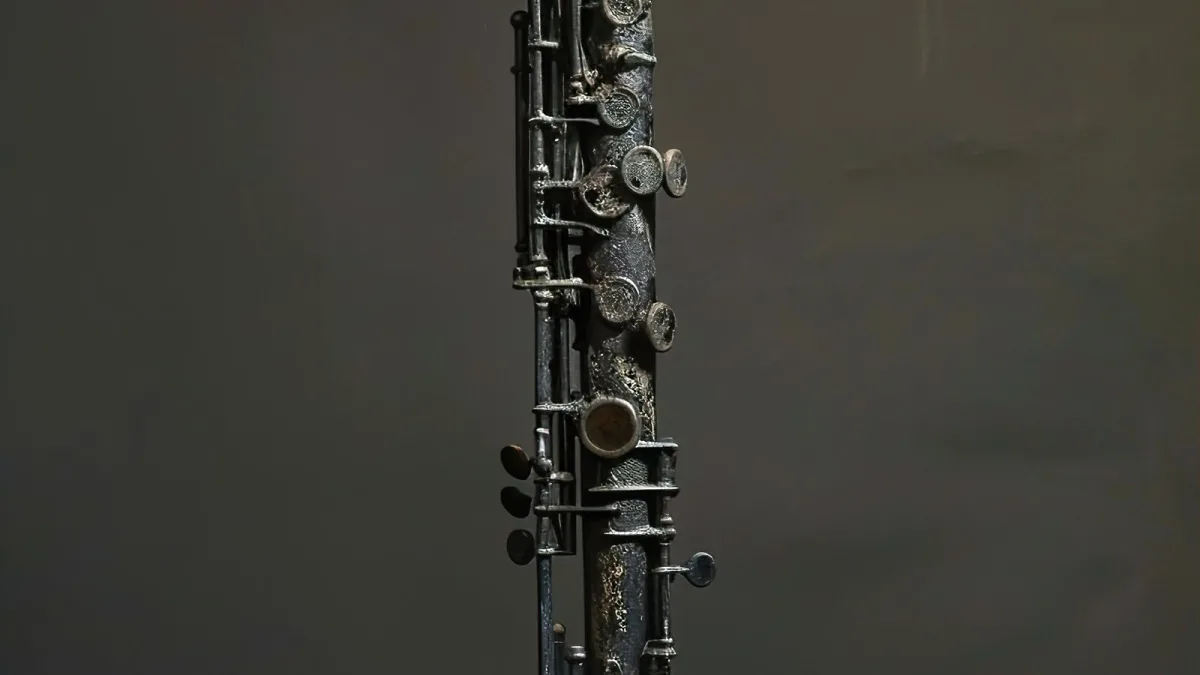
There's a particular pleasure in explaining something that most people think they understand, only to find the truth is a little stranger and more interesting than the name suggests. Woodwind instruments are a fine example. Despite the name, plenty of them aren't made of wood at all, and the family holds together not because of the material in the player's hands, but because of what happens at the very start of the sound. Let's take a proper look at what these instruments are, how they actually work, and what makes each one distinct.
What actually makes an instrument a woodwind
The name is a hand-me-down from history, and like a lot of hand-me-downs, it doesn't quite fit any more. Modern woodwind instruments are made from metal, plastic, resin, composite materials and, yes, sometimes still wood. What genuinely unites the family is the way the air is set vibrating in the first place, not what the body of the instrument happens to be made from.
There are two broad ways this happens:
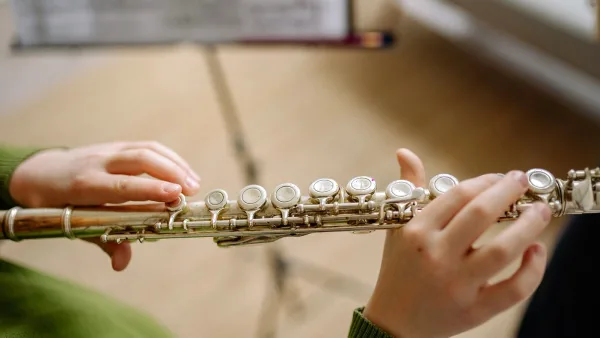
- Air-jet instruments — the player directs a stream of air across an edge, creating the turbulence that gets the air column moving. The flute, piccolo and recorder work this way.
- Reed instruments — a reed (or pair of reeds) vibrates and interrupts the airflow rhythmically, exciting the instrument's air column.
This is also what separates woodwinds from their brass cousins, where it's the player's own vibrating lips doing the exciting, not a reed or an air jet.
The reed instruments, and why there are two kinds
Reeds come in two flavours, and the difference matters more than you might expect.
Single-reed instruments
Among single-reed woodwind instruments, a reed sits against a mouthpiece, and air pressure sets it vibrating against that opening. The clarinet is the classic example — mostly cylindrical in its bore, with a tone often described as warm and focused, especially low down. The saxophone also belongs here, and this is where the family's naming trouble really shows its hand: made of brass, sounding at home in jazz clubs and marching bands alike, but acoustically and technically a true woodwind, because of that single reed doing the work.
Double-reed instruments
Here, two pieces of cane are tied together so they vibrate against one another — a more delicate, temperamental arrangement that rewards a patient player. The oboe carries a narrow, conical bore and a penetrating tone that's traditionally trusted to give the orchestra its tuning note. The English horn is its lower, darker-voiced relative. The bassoon, meanwhile, is a long conical tube folded back on itself, its reed perched on a curved metal crook, producing some of the most characterful low notes in the whole orchestra.
Bore shape: the quiet decision that shapes everything
One detail that doesn't get talked about enough outside conservatoires is the shape of the bore — the tube running through the instrument.
| Bore shape | What it does to the sound | Example instruments |
|---|---|---|
| Cylindrical | Clearer, more focused tone | Clarinet |
| Conical | Rounder, more vocal quality | Oboe, bassoon, saxophone |
It's a subtle thing, but once you know to listen for it, you'll start hearing why a clarinet and a saxophone can play the very same note and still sound like they come from entirely different worlds.
How pitch actually happens
Every woodwind instrument is, at heart, a resonating tube, and pitch is mostly a matter of changing that tube's effective length. Close every tone hole and you get the longest possible air column — and the lowest note the instrument can produce. Open holes progressively shorten that column, raising the pitch as you go.
Modern keywork has made this remarkably sophisticated. Rather than requiring a finger over every single hole, mechanisms let players cover far-flung tone holes with a single, well-placed touch. It's a real gift for range and speed — though it does mean there's more mechanism to keep in good order, which we'll come back to.
Where woodwinds sit in the orchestra, and beyond
The standard symphonic woodwind section brings together flutes, oboes, clarinets and bassoons, often joined by piccolo, English horn, bass clarinet or contrabassoon for extra colour. It's this variety of woodwind instruments working together that gives an orchestra so much of its colour. Within that section, woodwinds do a remarkable range of work: singing a melody one moment, doubling the strings the next, adding a wash of sustained harmony, or cutting through with a fast, articulated passage that no other section could quite manage the same way.
Beyond the concert hall, the same family turns up everywhere — the saxophone in jazz and funk, the clarinet in klezmer and traditional folk music, the flute drifting through film scores and pop records alike. If you're weighing up which of these instruments might suit you, our complete buyer's guide to woodwind instruments is a sensible next stop.
Looking after the instrument
None of this lovely acoustic machinery in woodwind instruments looks after itself. A brief but honest list of what matters:
- Swab the bore after every session, particularly with clarinets, saxophones, oboes and bassoons.
- Keep moisture from lingering in tone holes, pads and tenons.
- Let reeds dry naturally, and never leave one clipped to the mouthpiece in storage.
- Handle wooden instruments gently through sudden changes in temperature or humidity.
- Have a professional see to leaking pads or noisy keywork rather than leaving it to worsen.
The bottom line
Woodwind instruments are defined by a shared principle rather than a shared material: air set vibrating by an edge, a single reed or a double reed, shaped and coloured by a resonating tube whose length the player controls note by note. Once you hear the family that way, the flute, clarinet, oboe, bassoon and saxophone stop feeling like a random assortment and start feeling like cousins with a genuinely shared story. If you're just starting out, our beginner's guide to woodwind instruments is written with exactly that first step in mind, and our piece on common woodwind mistakes to avoid is worth reading before your first lesson.





Comments