


Woodwind Instruments roundup
Woodwind Instruments: A Complete Buyer's Guide
Feeling lost among reeds, keys and bore shapes? Here's a friendly, practical walkthrough of what actually matters before you buy a woodwind instrument.
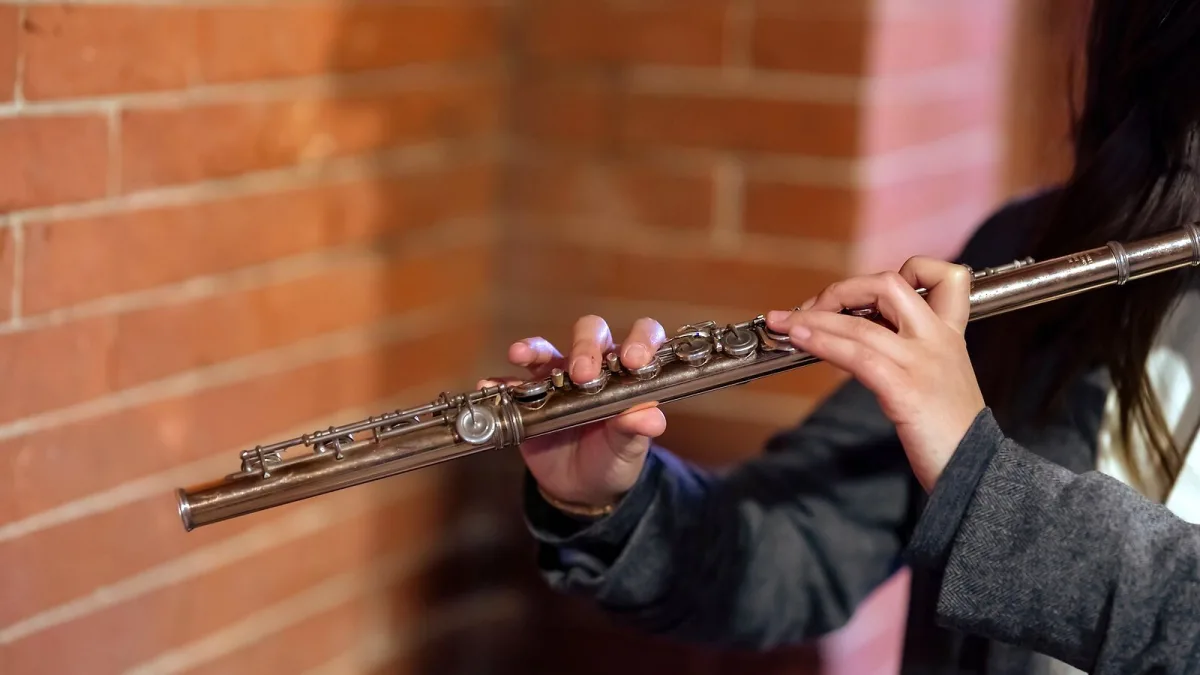
Woodwind instruments don't get anywhere near the attention that guitars and pianos do, which is a shame, because they're some of the most rewarding instruments you can pick up. If you're weighing up a purchase and feeling a bit lost among reeds, keys and bore shapes, this guide walks through exactly what to check before you spend a penny.
First, work out which family member suits you
"Woodwind instruments" covers a genuinely varied family, and each member asks something different of a new player.
- Flute: no reed needed, just an air jet across an edge. A popular first choice because there's nothing extra to buy or replace regularly.
- Clarinet: a single reed against a mouthpiece, with a warm tone and a manageable early learning curve.
- Saxophone: also single-reed, with a brass body, and a sound that suits jazz, pop and concert bands equally well.
- Oboe and bassoon: double-reed instruments that demand more delicate control from day one, and are usually best started with dedicated teacher support in place.
New, used or rented?
This is the first genuinely practical decision, and it's worth more thought than the instrument's colour or finish.
| Option | Best for | Watch out for |
|---|---|---|
| Rental | Complete beginners, or anyone unsure the instrument will suit them | Long-term cost versus buying outright |
| New student model | Committed beginners with a clear plan to continue | Reliable keywork over flashy extras |
| Used instrument | Buyers on a budget, ideally with an expert to check it first | Worn pads, bent keys, cracked wood |
A rental programme is a genuinely sensible way to test the water. It removes the risk of buying an instrument that turns out not to suit a beginner's hands, embouchure or musical taste.
Keywork and build quality matter more than material
It's tempting to assume that silver, wood or a particular exotic material automatically means better tone. It doesn't, not on its own. What actually matters for a working instrument is:
- Reliable, well-adjusted keywork that doesn't leak air at the pads.
- Comfortable ergonomics for your hand size and finger reach.
- A proper professional setup before the instrument ever reaches you — this affects response and intonation more than most buyers expect.
A well-adjusted student model will almost always outplay a poorly set up advanced instrument, whatever the material or brand name on the case.
Reeds and mouthpieces: the hidden cost
If you're buying a clarinet, saxophone, oboe or bassoon, the reed or mouthpiece deserves just as much attention as the instrument body. For single-reed instruments, mouthpiece choice can shape early response and tone as much as the instrument itself. For oboe and bassoon, reed quality is even more central — a poor reed can make an otherwise excellent instrument feel unplayable, so factor ongoing reed costs and a good supplier into your budget from the start.
Bore shape and what it tells you about tone
A quick bit of background that's genuinely useful when comparing options: a cylindrical bore (as in the clarinet) tends toward a clearer, more focused sound, while a conical bore (as in the oboe, bassoon and saxophone) leans rounder and more vocal. Neither is "better" — it's simply a different character, and worth listening for when you try instruments side by side.
Take a lesson before you buy
It's easy to skip this step, but a single lesson with a teacher before purchasing can save considerable money and disappointment. A teacher can assess hand size, embouchure and posture, and steer you away from an instrument that looks appealing but doesn't actually fit. If you already know roughly what suits your budget and playing style, our guide to the best woodwind instruments for the money breaks recommendations down by price tier.
What advanced players should check differently
If you're upgrading rather than buying your first instrument, the priorities shift:
- Test intonation and response across the full range, not just the comfortable middle register.
- Try the instrument with your own usual mouthpiece, reeds and repertoire, not the shop's demo setup.
- Check mechanical tolerances and how tightly the keywork is built.
- Confirm local repair support and the availability of replacement parts before committing.
Common buying pitfalls
A few mistakes come up again and again with first-time buyers of woodwind instruments: choosing on looks or brand reputation alone, skipping a professional setup check, underestimating ongoing reed costs, and buying an advanced model before the player is ready to benefit from it. Our full piece on common woodwind mistakes to avoid covers these and more.
The bottom line
Buying woodwind instruments well comes down to matching the right family member to the player, prioritising reliable keywork and proper setup over flashy materials, and budgeting honestly for reeds or mouthpieces from day one. Get those fundamentals right, and the instrument you choose should serve you faithfully for years. For the full picture of how these instruments actually work before you commit, our complete explainer on woodwind instruments is worth a read too, and if this is your very first purchase, the beginner's guide keeps things simpler still.





Comments