Skip to content

Treble Recorder article

Treble Recorder for Beginners: A Complete Guide

Starting on the treble recorder? Here is everything you need to know — what makes it different from the descant, which instrument to buy, and how to begin.

The treble recorder is the instrument most serious players move to after the descant. If you are coming to it fresh or returning to recorder playing, this guide covers what to expect, what to buy and where to begin.

What Is Different From the Descant

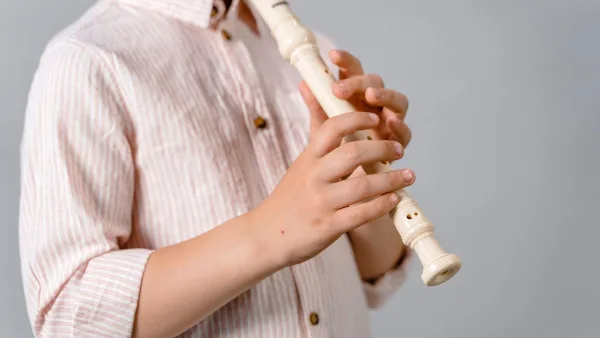
The most important thing to understand is that the treble recorder uses different fingering from the descant. The same fingers produce different notes, and the basic scale is F major rather than C major. This means you cannot simply carry over your existing muscle memory. Most players find the adjustment takes several weeks of consistent practice. The instrument is also physically larger, and the breath pressure required is gentler and more controlled — beginners sometimes find they overblow initially, producing a squeaky or harsh tone until they adapt.

What to Buy First

Buy a plastic baroque-fingering model. The Yamaha YRA-28B III and the Aulos 509B are both reliable and affordable. Avoid German fingering — it will limit your progress. Avoid very cheap unbranded instruments that may not play in tune. A quality beginner treble recorder in plastic from Yamaha or Aulos costs between fifteen and twenty-five pounds and will serve you for years. Move to a wood instrument only when your technique has developed sufficiently to appreciate the tonal difference. See our buyer's guide for model comparisons.

How to Begin Playing

Start with the scale of F major — this is the home key of the instrument and the starting point for most tutors. Work from a fingering chart for baroque treble recorder, not a descant chart. The Dolmetsch, van Hauwe and Ganassi tutors are all well regarded; your teacher can advise. Practise tonguing single notes cleanly before working on scale passages. Breath control — using the diaphragm rather than the chest — matters more on this instrument than on the descant, and small improvements in breath control produce noticeable improvements in tone. For common errors at this stage, see our mistakes guide.

Frequently Asked Questions

Do I need a teacher?

A teacher is strongly recommended for anyone serious about progressing. Breath control, posture, tonguing and intonation are all significantly improved by regular teacher feedback. That said, many players begin with self-teaching using a good tutor book and a fingering chart before finding a teacher. If you cannot find a specialist recorder teacher, a woodwind teacher with recorder experience is helpful.

How long before I can play a real piece?

With regular practice — twenty to thirty minutes a day — most beginners can play simple pieces within a few weeks. The F major scale, basic tonguing and clean note production come quickly if you practise consistently. Pieces from the baroque solo repertoire typically come within three to six months of consistent practice, depending on how far you advance on the descant previously.

Is it worth buying a wood instrument straight away?

Not usually. A quality plastic instrument is an excellent starting point and remains useful for years. The tonal benefit of wood becomes relevant once your technique is developed enough to use it. Most teachers recommend waiting until you are playing consistently in tune and with controlled tone before investing in a wood instrument.

What if I learned German fingering on the descant?

Now is the time to change. Baroque fingering is the standard for all serious playing, and you will need it for any published edition, ensemble playing or examination. The adjustment takes a few weeks and is worth making. Continuing with German fingering will limit your progress and make ensemble playing with other players difficult.

Which tutor book should I use?

The van Hauwe Modern Recorder Player series is comprehensive and widely used. Descant and Alto Recorder Lessons by Brian Bonsor is a practical alternative. For a more historical approach, facsimile tutors by Ganassi and Hotteterre are available, but these are better as supplements to a modern tutor rather than primary learning resources. Your teacher will recommend something appropriate to your level and aims.

About Thomas Walker

Thomas grew up on the folk and roots music of the North East, where the tradition of Northumbrian tunes runs deep, and has been playing and writing about acoustic music for most of his life. He's drawn to instruments with history and craft. He covers folk, acoustic and traditional music.

Comments

Leave a comment

Comments are read before they appear. Links cannot be published.

Your rating (optional)