

Treble Recorder article
The Ultimate Guide to Treble Recorder
The treble recorder is the standard instrument of professional early music playing. Here is a complete overview of how it works, the types available and what to look for.

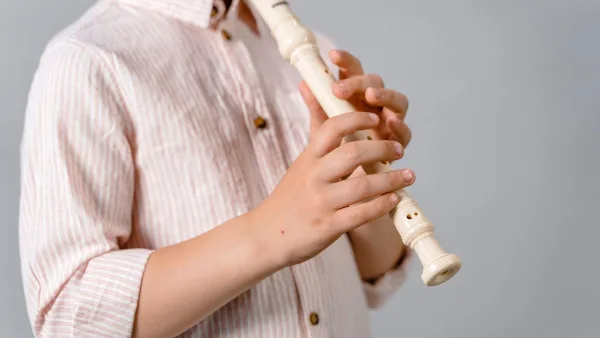
The treble recorder is the standard instrument of professional early music performance and the model most commonly used beyond beginner level. Also known as the alto recorder, it is pitched in F, a fifth higher than the descant, and covers a range of approximately two and a half octaves. Its warmer, more rounded tone and its prominence in the baroque solo and ensemble repertoire make it the natural instrument for players progressing beyond the first recorder they learned on.
How It Differs From the Descant
The most important practical difference is fingering. The treble recorder uses a different hand position from the descant: the left hand goes above the right, and the basic fingering produces an F major scale rather than a C major scale. This means a player moving from descant must relearn the relationship between fingers and notes. The physical size is larger — a treble recorder is roughly thirty-five centimetres long — and the bore is wider, which contributes to its fuller tone. The additional length and bore also affect breath pressure: the treble requires a gentler, more controlled airstream than the smaller descant.
The Two Types of Fingering System
Baroque (also called English) fingering is the standard for almost all professional and serious amateur playing. It uses a cross-fingering system to produce accidentals and is the system assumed by all published early music editions. German fingering simplifies the scale of F major by using the fourth finger for F sharp, making it slightly easier for beginners, but it produces worse intonation on many notes and is not recommended for anyone planning to progress. Buy baroque fingering unless your teacher specifies otherwise.
Materials and What They Mean
Plastic treble recorders are made from ABS or similar materials and are reliable, in-tune and robust. The Yamaha and Aulos lines are the best-known. Wood recorders — made from pearwood, maple, boxwood, grenadilla or rosewood — produce a richer, more complex tone and are the preferred choice for performance and advanced playing. A good treble recorder in wood opens the full range of baroque and Renaissance solo literature. For advice on choosing a model, see our buyer's guide.



Comments