Skip to content

Treble Recorder roundup

The Best Treble Recorders for the Money

A ranked guide to the best treble recorders at each price point, from reliable budget plastic to professional wood models.
The Best Treble Recorders for the Money

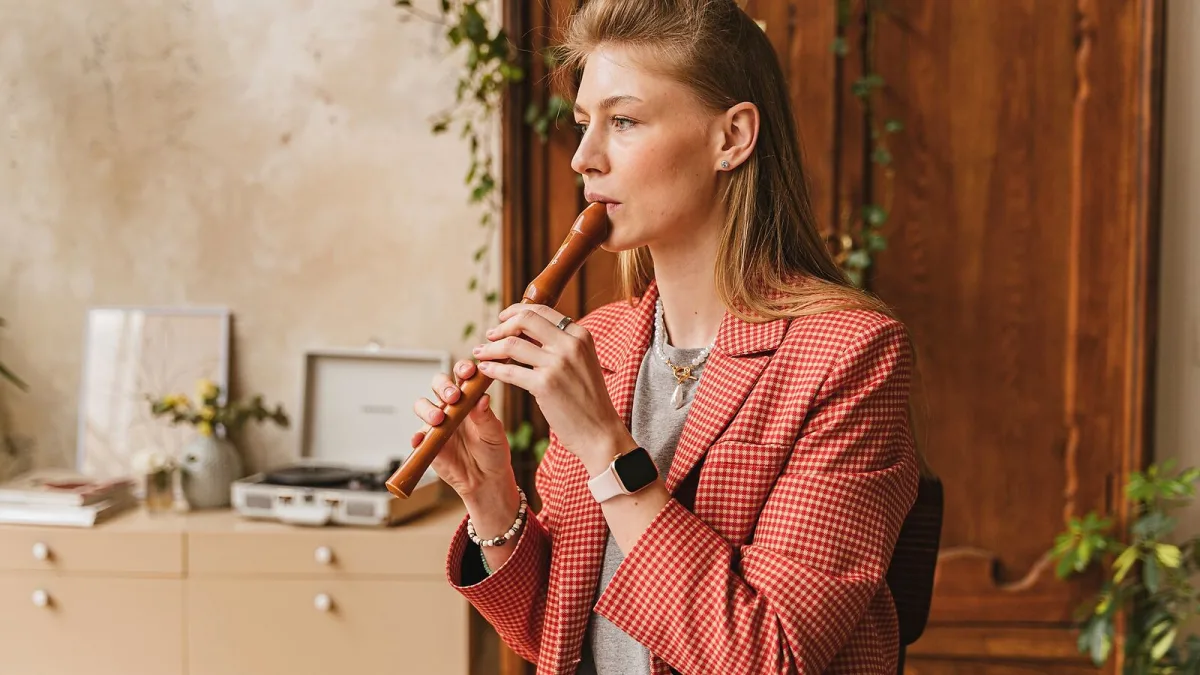
The best treble recorder at any price is the one that plays in tune, feels comfortable in the hand and suits your level. This guide picks the standout options at each price point and explains what makes each one worth considering.

Best Budget Plastic: Yamaha YRA-28B III

The Yamaha YRA-28B III is the most widely recommended entry-level instrument and deservedly so. It plays consistently in tune, uses baroque fingering, and produces a clean, bright tone that is easy to project. It costs around twenty pounds, is available worldwide and is used in school ensembles and amateur consorts. The Aulos 509B is a close rival and offers a slightly warmer tone; both are excellent. For anyone buying their first treble recorder or returning to playing after a break, either of these is the right starting point.

Best Mid-Range: Küng Studio in Pearwood

The Küng Studio treble recorder is the standard recommendation for players ready to move to wood. Made in pearwood with a precise bore and a warm, even tone, it sits at around ninety to a hundred and twenty pounds and represents a clear step up from plastic. It requires some breaking in and periodic oiling, but rewards the investment with a noticeably richer sound. The Mollenhauer Canta and Moeck Rottenburgh in ABS resin are alternatives at this price point — the Moeck resin model in particular is used by professional players who need a durable instrument for outdoor or travel use.

Best Professional: Mollenhauer Denner or Küng Superio

At the professional level, the Mollenhauer Denner and the Küng Superio are consistently cited by players and teachers as the benchmark treble recorder instruments. Both are made to a very high standard, produce a rich, expressive tone and are available in several voicing options. They cost from two hundred and fifty pounds upwards. At this level, try before you buy if at all possible. For more on selecting between models, see our buyer's guide.

Frequently Asked Questions

Is the Yamaha better than the Aulos at entry level?

Both are excellent and the difference is a matter of personal preference. The Yamaha is slightly brighter and more immediate in tone; the Aulos is warmer and slightly more muted. Many players own both. If you can try them at a shop, do — if buying online, either is a safe choice and the difference will not significantly affect your learning.

Is the Küng Studio a good first wood instrument?

It is the most commonly recommended first wood purchase for a reason. It plays consistently in tune, is durable for a wood instrument, and produces a genuine improvement in tone quality over plastic. Competitors at the same price from Mollenhauer and Moeck are also worth considering. All three are reliable choices for a player making the transition from plastic to wood.

Are there good second-hand options?

A used wood instrument from a reputable maker can represent good value, but you need to check it carefully — look for cracks around the window and joints, ensure the joints fit snugly, and play it across the full range to check intonation. Having a teacher assess it before you buy is strongly recommended. Plastic instruments are cheap enough new that buying second-hand is rarely worth the effort.

Does the voicing option matter?

At professional level, yes. Instruments are often available in narrow or wide voicing, which affects tone and response. Narrow voicing produces a more focused, brighter sound; wide voicing is warmer and fuller. The right choice depends on the repertoire you play and the kind of sound you prefer. Many beginners are unaware this option exists; it becomes relevant once you know what sound you are looking for.

What is the longest-lasting instrument at any price?

A quality plastic instrument will outlast most wooden ones in everyday use — it does not crack, requires no oiling and is unaffected by humidity or temperature changes. Wooden instruments last decades if maintained correctly but require more care. For durability alone, a high-quality plastic model is hard to beat. For tone quality and the full satisfaction of playing, a well-maintained wood instrument is the better long-term instrument.

About Louise Watson

Louise grew up in Plymouth, a naval city with a long tradition of brass and marching bands, and that early exposure gave her a lasting love of ensemble playing. She's fascinated by the instruments most pop fans overlook. She writes about brass, wind and orchestral instruments.

Comments

Leave a comment

Comments are read before they appear. Links cannot be published.

Your rating (optional)