Skip to content

Treble Recorder roundup

Treble Recorder: A Complete Buyer's Guide

The treble recorder is available from under twenty pounds to several hundred. Here is a clear breakdown of what you get at each price point.
Treble Recorder: A Complete Buyer's Guide

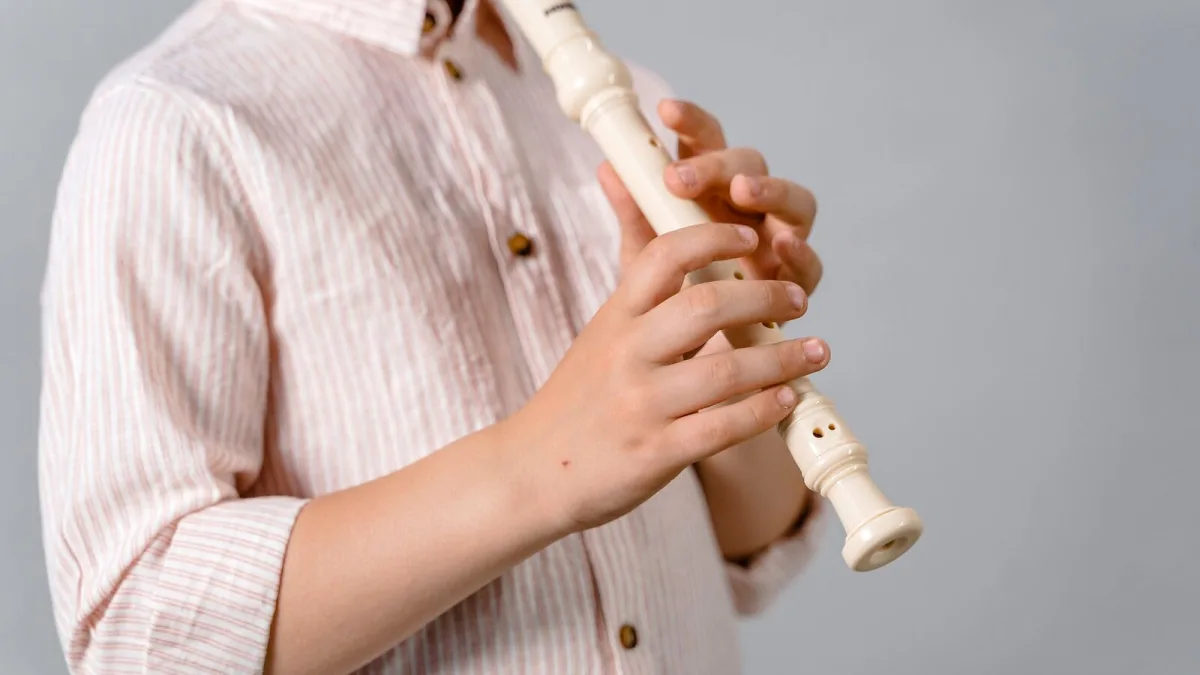
Buying a treble recorder involves choosing between plastic and wood, picking the right fingering system (always baroque), and deciding how much to spend. The range goes from under twenty pounds for a beginner plastic model to several hundred for a professional wood instrument. This guide covers each price point and what you get at each.

Plastic Models for Beginners and Students

At the entry level for plastic treble recorder models, the Yamaha YRA-28B III and the Aulos 509B are both reliable choices. Both are pitched correctly, play in tune across the range and use baroque fingering. The Yamaha has a slightly brighter tone; the Aulos is warmer. Both cost between fifteen and twenty-five pounds and are well suited to students and players returning to the instrument after a break. The Moeck School recorder and the Zen-On Bressan are slightly more expensive but produce a more refined tone if you are willing to spend a little more at the plastic level.

Intermediate Models

An intermediate treble recorder is typically either a high-quality plastic model or an entry-level wood instrument. The Yamaha YRA-314B III (resin) and Moeck Rottenburgh ABS are the standard plastic options at this level; both produce a sound close to wood and are used in professional contexts where durability matters. For wood, the Küng Studio and Mollenhauer Canta in pearwood are the go-to starting points. Both cost between eighty and a hundred and fifty pounds and represent a significant step in tone quality over entry plastic.

Professional Models

A professional treble recorder in boxwood, grenadilla or rosewood will cost from two hundred to five hundred pounds or more. The Küng Superio, Moeck Rottenburgh and Mollenhauer Denner are the most widely used names. At this level, individual instruments vary and it is worth trying several before buying. Many players have instruments made by individual makers or commission copies of historical originals. For complete information on models at every level, see our best models guide.

Frequently Asked Questions

Is plastic as good as wood?

For beginners and students, a quality plastic model is an excellent choice — it plays in tune, requires no maintenance and survives being dropped. The tonal difference between a quality plastic and a quality wood instrument is real and noticeable, but not important until you have developed enough technique to notice it. Most teachers recommend starting on a good plastic model and upgrading to wood when your playing is ready.

What does baroque fingering mean exactly?

Baroque fingering uses a half-hole technique and cross-fingering to produce certain accidentals. The result is better intonation across the full range and compatibility with all published baroque editions. German fingering simplifies the F sharp but produces worse intonation on several other notes. Every serious player uses baroque fingering; German fingering is found only on very cheap instruments aimed at school use.

What wood is best?

Pearwood is the most common choice for entry and intermediate wood models — it is stable, easy to work and produces a warm tone. Boxwood is denser and produces a slightly brighter sound; it was the standard material in the baroque period. Grenadilla (African blackwood) is the hardest and darkest-sounding common choice and is used in many professional instruments. Maple and rosewood are also used. The differences are real but secondary to the maker's craftsmanship.

Can I buy one second-hand?

Yes, and a second-hand wood instrument can represent good value if you know what you are buying. Check that the joint fits snugly, that there are no cracks in the wood (especially around the window), that the bore is undamaged and that it plays in tune. A teacher or professional player can assess an instrument you are considering. Second-hand plastic instruments are less interesting given how cheap new ones are.

Should I buy online or from a specialist shop?

For plastic instruments at any level, online is fine — these are standardised products and a reliable brand will be consistent between examples. For wood instruments, especially at intermediate and above, buying from a specialist recorder shop and trying several examples is strongly recommended. No two wood instruments are exactly alike, and a player can often identify a significantly better example within the same model and price range.

About Thomas Walker

Thomas grew up on the folk and roots music of the North East, where the tradition of Northumbrian tunes runs deep, and has been playing and writing about acoustic music for most of his life. He's drawn to instruments with history and craft. He covers folk, acoustic and traditional music.

Comments

Leave a comment

Comments are read before they appear. Links cannot be published.

Your rating (optional)