


Tenor Saxophone article
Tenor Saxophone for Beginners: A Complete Guide
All those keys, that curved neck, the worry of an embarrassing squawk — here's the gentle, unhurried way to begin on a tenor saxophone.
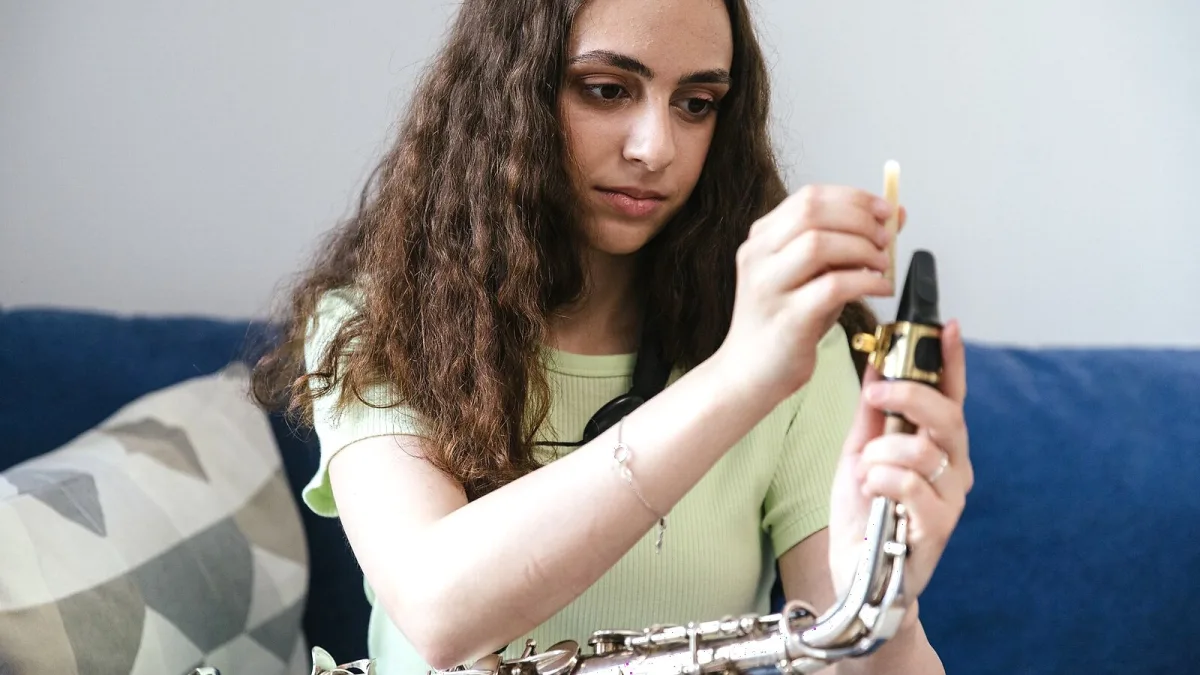
I've watched a good few people pick up a tenor saxophone for the first time, and the nerves are always the same — all those keys, that curved neck, the worry of making an embarrassing squawk in front of someone. Take it slowly and none of it stays intimidating for long. Here's the gentle, unhurried version of how to begin learning the tenor saxophone properly.
Putting It Together
Before a note is even possible, there's a small ritual to learn, and it becomes automatic within a week or two:
- Soak the reed in your mouth or a little water for a minute so it's ready to vibrate properly.
- Attach the reed to the mouthpiece with the ligature, leaving a sliver of the tip showing above the reed's edge.
- Fit the mouthpiece onto the corked end of the neck, twisting gently rather than forcing it.
- Attach the neck to the body, then fasten your neck strap and clip it to the instrument before you lift it.
- Let the strap take the weight — never your right thumb, which only needs to steady, not support.
Do this calmly every single time, and it stops feeling like assembly and starts feeling like the first few bars of a ritual before playing.
Your Very First Sounds
Don't reach for a tune straight away. Long tones — simply holding a single, steady note for as long as comfortable — are the unglamorous exercise that builds everything else: breath control, a settled embouchure and a tone that doesn't wobble. Keep your embouchure relaxed rather than clamped, with just enough firmness to seal around the mouthpiece, and let a steady stream of air do the actual work rather than brute force from your jaw.
Expect some squeaks in the first week or two. They almost always come from too much pressure on the reed or air escaping at the corners of the mouth, not from anything wrong with the instrument itself. Relax, adjust, try again — it passes quickly for nearly everyone.
Choosing a Reed That Helps Rather Than Fights You
Reed choice matters more for a beginner tenor saxophone player than almost anything else in that first year. A softer reed, often somewhere around strength 1.5 to 2, responds more easily while your breath support is still developing. A reed that's too hard fights you on low notes and sustained playing before you've built the strength to control it, which only slows progress and dents confidence for no good reason. There's no shame in staying on a gentle reed for months — move up only once the current one feels almost too easy.
Finding Time to Actually Practise
Ten focused minutes, done daily, will get you further in a month than one exhausted hour on a Sunday. Keep the instrument somewhere visible and half-assembled if your household allows it — the biggest barrier for most beginners isn't discipline, it's the small friction of getting the case open and the reed wet before they've talked themselves out of it. Treat those ten minutes as non-negotiable and the rest tends to follow on its own.
Building a Simple Daily Habit
- Long tones first, always, even on days you're itching to play something recognisable.
- A few simple scales, slowly, focusing on evenness between notes rather than speed.
- A tuner nearby, not to obsess over, but to start training your ear for when something's drifting.
- Short, regular sessions beat one long, tiring one — your embouchure tires faster than you'd expect early on.
The Bottom Line
Every confident tenor saxophone player once stood exactly where you are now, worried about the same squeaks and the same fiddly assembly. Be patient with the process and it rewards you quickly. Once the basics feel steady, our fuller overview fills in the history and mechanics, and when you're ready to think about your next instrument, our buyer's guide will serve you well.




Comments