


Tenor Saxophone roundup
Tenor Saxophone: A Complete Buyer's Guide
Buying your first tenor saxophone doesn't need to be daunting. Here's the short, sensible checklist that actually matters, explained simply.
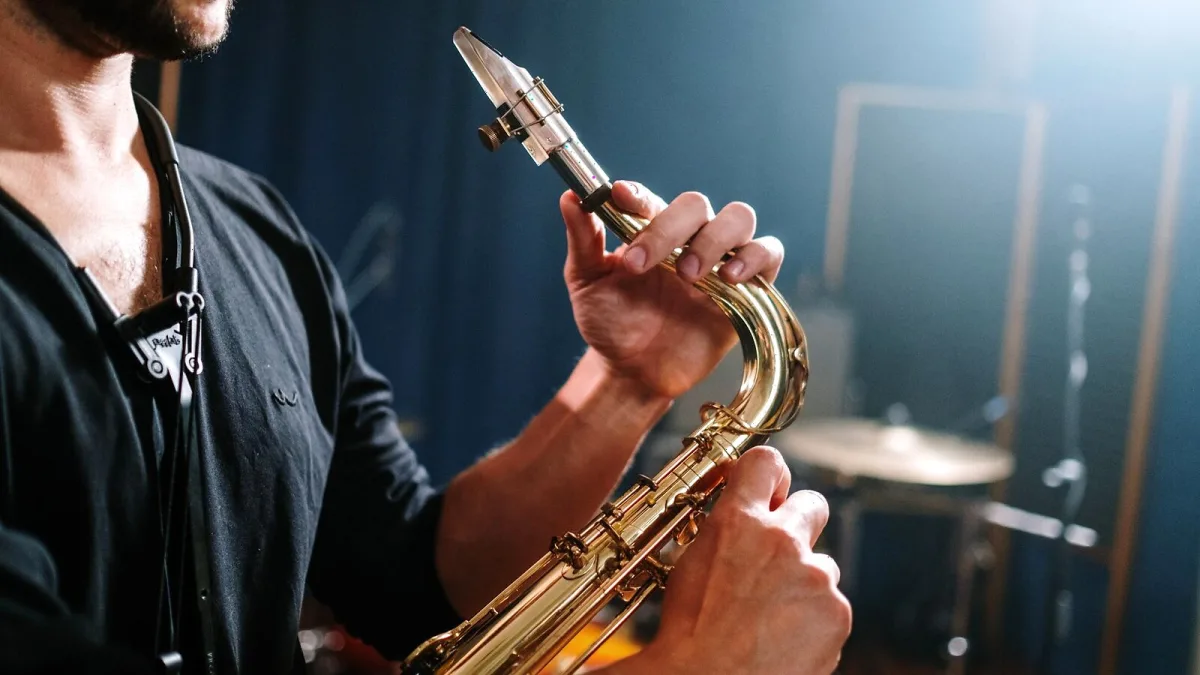
Buying your first — or your next — tenor saxophone can feel a bit daunting if you've never shopped for one before. There's no need to be overwhelmed by brand names or shiny finishes. What actually matters comes down to a short, sensible checklist, and once you know what it is, the whole process becomes genuinely enjoyable.
Student, Intermediate or Professional?
| Level | Best suited to |
|---|---|
| Student | Complete beginners; prioritises durability and easy upkeep |
| Intermediate | Committed learners ready for better keywork and materials |
| Professional | Experienced players wanting refined response and flexibility |
Don't feel pressured to buy above your current level. A well set-up student instrument will teach you everything you need for quite some time, and jumping straight to a professional model rarely fixes problems that are really about technique.
What to Actually Check Before You Buy
- Pads and keywork — sticky, leaking or badly seated pads turn an otherwise lovely instrument into a frustrating one.
- Low notes — low B♭ through low D should speak cleanly without you having to force the air.
- Octave transitions — the break between registers should feel smooth, not clunky.
- Intonation — use a tuner, but also trust your ear for consistency across the whole range.
- Ergonomics — thumb rests, key spacing and palm keys should feel natural under your particular hands.
Getting the Mouthpiece and Reed Right
It's easy to focus entirely on the instrument itself and forget that the mouthpiece and reed shape the sound just as much. A beginner is generally better served by a stable, moderate mouthpiece rather than an extreme, high-resistance design marketed at professionals. On reeds, a softer strength — often somewhere around 1.5 to 2 — tends to respond more easily while you're still building breath support, with room to move to something firmer as your playing develops.
New, Used or Vintage?
A brand-new tenor saxophone comes with predictable condition and a warranty, which suits anyone who'd rather not think about hidden problems. Used instruments can offer excellent value, but always get an independent repair assessment before you commit — leaks, bent rods and worn pads can quietly add real cost on top of the purchase price. Vintage instruments have genuine character, but with these especially, condition matters far more than age or reputation, so budget for a proper service if the horn hasn't been played in a while.
The Brands You'll Come Across
Yamaha, Selmer Paris and Yanagisawa are the names that come up most often in this world, with Keilwerth and Cannonball frequently mentioned in mid-range and professional comparisons too. None of that makes any single model automatically the right choice for you — reputation is a reasonable starting filter, not a substitute for actually trying an instrument yourself.
Don't Forget the Setup Budget
A proper professional adjustment after purchase — pads seated correctly, springs tensioned, everything playing as it should — is sometimes more valuable than spending extra on a pricier model straight off the shelf. Set a little aside for this rather than spending every last penny on the instrument alone. If you're not yet confident about what you're listening and looking for, our overview of how it all works is a friendly place to start, and our beginner's guide covers the early playing side too.
Trying Before You Commit
Wherever possible, play the actual instrument you're about to buy rather than relying on a demo video or a glowing online listing. A shop that's happy to let you spend proper time with a tenor saxophone, swap mouthpieces and reeds, and play through its full range without pressure is generally a shop worth buying from. If something feels stiff, uneven or awkward in your hands, trust that feeling — the "right" instrument on paper isn't the right one if it fights you every time you pick it up.
It's also worth asking what's included in the price. A case that actually protects the neck and bell, a basic mouthpiece and ligature, and a first set of reeds can add real value, while a bare-bones package might leave you buying several extras almost immediately afterwards.
The Bottom Line
Buy for your current level, check the mechanical basics properly, and budget for a setup rather than spending everything on the instrument itself. Do that, and almost any reputable tenor saxophone will serve you well while you find your own sound.




Comments