


Tenor Saxophone article
Tenor Saxophone Explained: Features, Types and Tips
Warm enough for a ballad, forceful enough to cut through a horn section — here's where the tenor saxophone came from and how it actually works.
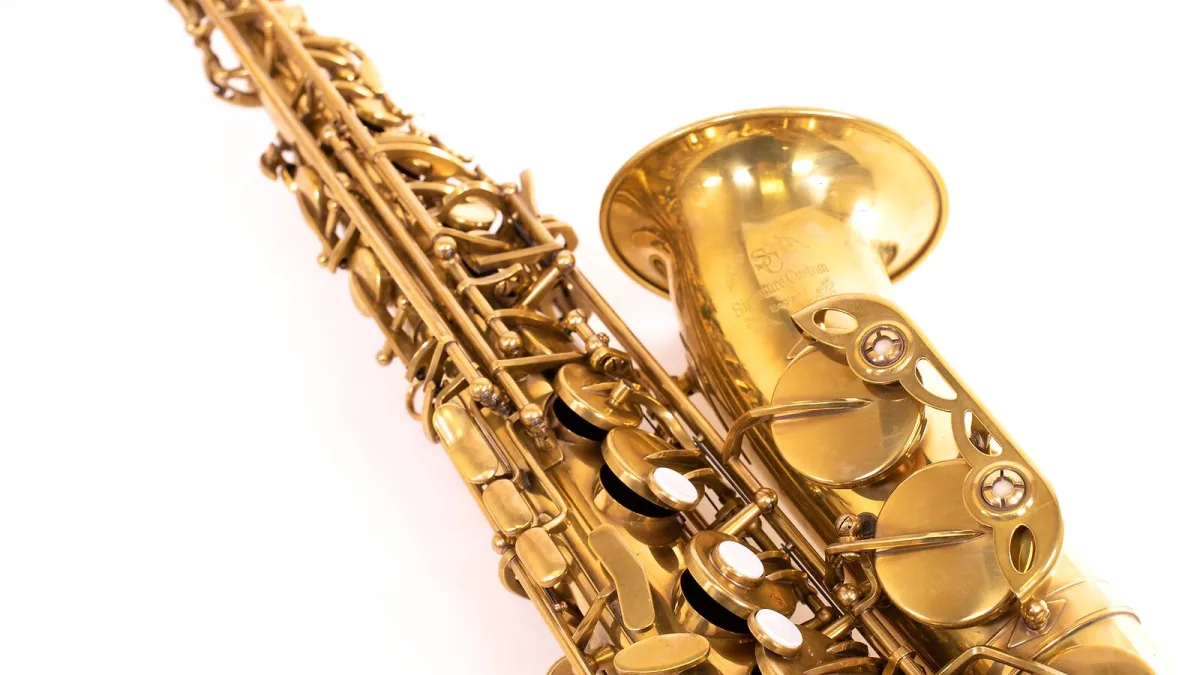
There's a reason so many people picture a smoky jazz club the moment they hear one: the tenor saxophone has one of the most instantly recognisable voices in music, warm enough for a ballad and forceful enough to cut clean through a horn section. It sits right in the middle of the saxophone family, and understanding how it got there — and what actually makes it work — tells you most of what you need to know before you ever pick one up.
Where It Came From
The whole saxophone family was the work of one man, the Belgian instrument maker Adolphe Sax, who patented his design in the 1840s. His idea was to combine a woodwind's single reed with a brass instrument's projection, and the tenor saxophone turned out to be the size that balanced the two most naturally — powerful enough to hold its own, agile enough to still feel like a woodwind in the hands.
It found its true calling in jazz. Coleman Hawkins gave it a technically sophisticated voice in the 1920s and '30s, and Lester Young answered with something lighter and smoother not long after. Ben Webster brought a warm, breathy sound to ballads, and later players — Sonny Rollins, John Coltrane, Stan Getz, Wayne Shorter among them — kept stretching what it could do. Outside jazz, the tenor saxophone found a second home in rhythm and blues and rock and roll, with players like King Curtis and Clarence Clemons proving it could hold a stadium's attention just as easily as a small club's. That range — jazz combo to stadium horn section — is part of what makes it such a rewarding instrument to actually learn.
What You're Actually Looking At
Strip it back to its parts and a tenor saxophone is a mouthpiece and reed, a curved neck, a conical brass body that widens gradually toward the bell, and a mechanical web of keys, rods and springs connecting your fingers to the tone holes. That gradual widening of the bore is what gives the instrument its particular overtone structure — a big part of why it sounds like nothing else in the room.
One detail trips up newcomers every time: it's pitched in B♭, which makes it a transposing instrument. A written C sounds as a concert B♭, a major ninth lower — so a tenor player reading from sheet music is never sounding the note that's actually printed on the page. It's a quirk shared with the clarinet and trumpet, and it becomes second nature astonishingly fast once you're actually playing.
The Different Kinds You'll Encounter
| Type | What sets it apart |
|---|---|
| Student models | Durable, predictable, easy to maintain — built for learning |
| Intermediate models | Better keywork and materials for serious, developing players |
| Professional models | Refined intonation, response and tonal flexibility, at a price |
| Vintage instruments | Distinctive character; condition matters more than age |
| Low-A models | Extend a semitone lower than the standard low B♭ |
If you're weighing these up as an actual purchase, our complete buyer's guide goes through the practical checks in proper detail.
The Reed and Mouthpiece, Briefly
Sound starts at the reed — a thin strip of cane clamped to the mouthpiece by a ligature, vibrating as you blow across it. Reed strength is numbered, though the numbers aren't quite standard between brands, and mouthpiece design shapes brightness, resistance and projection more than most beginners expect. Get either wrong for your embouchure and even a beautifully made instrument can feel like hard work.
Looking After One
A little discipline goes a long way with any tenor saxophone: swab the body after every session, wipe down the mouthpiece, keep the reed clean, and never leave the whole thing assembled in a damp case. Pads, corks and springs are wear items rather than permanent fixtures, so a periodic professional service keeps intonation and response where they should be.
None of this is complicated, but it's easy to skip when you're eager to just play. A five-minute routine after each session is the difference between an instrument that stays reliable for decades and one that needs expensive attention far sooner than it should.
The Bottom Line
Few instruments carry as much musical history in such a manageable size. Once you understand the mechanics and the lineage behind it, choosing and learning one feels far less mysterious. If you're just starting out, our beginner's guide picks up exactly where this leaves off, and when you're ready to buy, the buyer's guide covers what actually matters.




Comments