


Soprano Saxophone article
Soprano Saxophone Explained: Features, Types and Tips
A straight, silver line of sound and the trickiest of the four common saxophones — here's what shapes a soprano's voice.
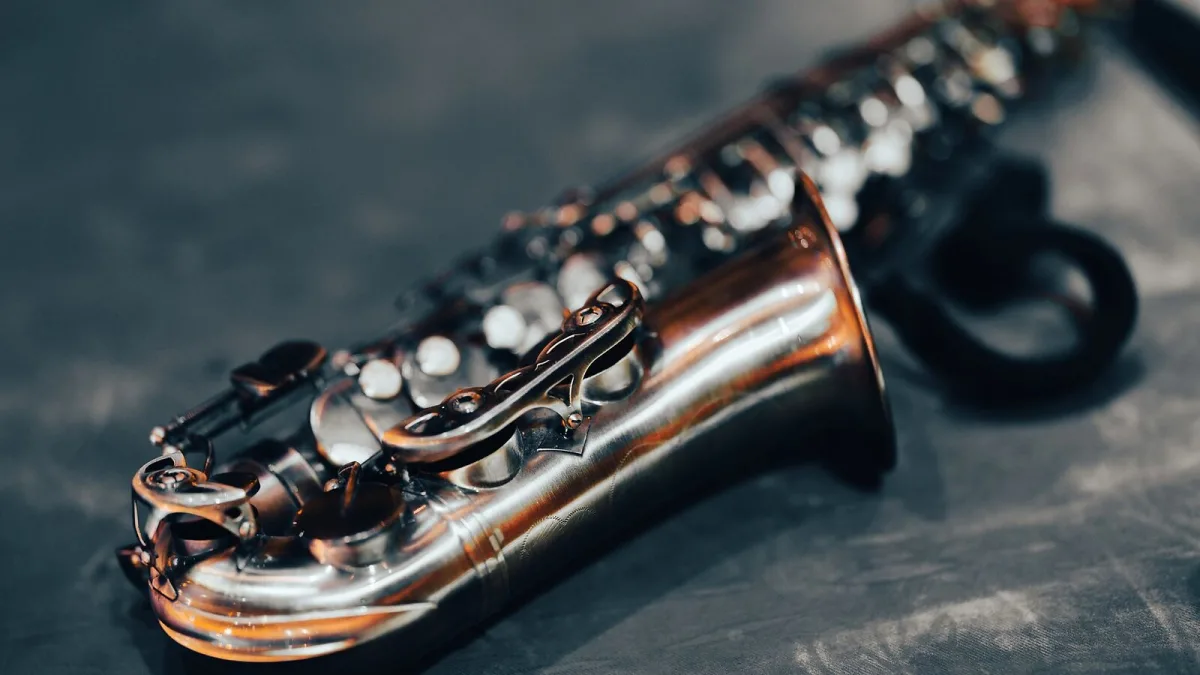
There's something almost vocal about a soprano saxophone in the right hands — a straight, silver line of sound that can cut clean through a big band or sit close and intimate over a single guitar. It is also, by most accounts, the trickiest of the four common saxophones to master. Here is what it actually is, how it differs from its bigger siblings, and what shapes its sound.
What Is a Soprano Saxophone?
The soprano is the highest-pitched of the four saxophones in everyday use — soprano, alto, tenor and baritone — and it is pitched in B♭, sounding a whole step lower than the note written on the page. Most modern instruments run from a written low B♭ up to a high F♯, though the exact range depends on the model and the player's command of the upper register.
Where the alto, tenor and baritone curve back on themselves, most sopranos are built straight, resembling an oversized metal clarinet. Curved-neck and curved-bell versions exist too, and some professional instruments even offer interchangeable necks, but the straight body remains the instrument most people picture.
A Brief History
Adolphe Sax invented the whole saxophone family in the 1840s, blending a woodwind's single reed with a mostly conical metal body and a fingering system built for speed across registers. He originally imagined saxophones in far more sizes than the four that eventually became standard.
The soprano found its first great voice in early jazz through Sidney Bechet, whose broad tone and wide vibrato gave the instrument real identity from the start. John Coltrane later brought it back into the modern jazz spotlight, and Steve Lacy went further still, building an entire career around it and becoming, in the words of one archive, something close to "the father of the modern soprano saxophone." From there it spread into classical repertoire, smooth jazz, pop, R&B and funk, carried by players from Branford Marsalis to Kenny G.
Why It's Harder to Play Than It Looks
A soprano saxophone's small bore is part of its charm and part of the problem. Because the tube is so compact, tiny changes in lower-lip pressure, jaw position, air speed and voicing all show up immediately in the pitch and tone, far more than they would on a larger horn. Manufacturers are fairly candid about this: it's widely described as harder to keep in tune than the alto or tenor, precisely because of how sensitive that high register is.
None of this means the instrument is unforgiving forever. Steady air support, a flexible but controlled embouchure and plenty of long-tone practice go a long way toward taming it.
Straight or Curved: Does It Matter?
| Design | What changes |
|---|---|
| Straight body | Compact, visually distinctive, generally a direct and focused projection |
| Curved neck or bell | Feels more familiar to alto or tenor players; changes ergonomics more than tone on its own |
| Interchangeable necks | Lets one instrument offer both feels, with subtle differences in response |
The bend itself doesn't dictate tone quality — mouthpiece, reed, bore design and the player sitting behind the instrument still do most of that work.
What Shapes the Sound
A soprano saxophone's voice comes from more than the horn alone. The mouthpiece and reed combination can change resistance, brightness and projection as much as the instrument itself, which is why two players on an identical model can sound entirely different. Classical players tend to favour a closer-tip mouthpiece and a centred, controlled tone, while jazz players often lean toward something more open, chasing flexibility, subtone and a bit of edge.
Where to Go From Here
Thinking about buying your own? Our complete buyer's guide covers what to check before you commit. Just starting out entirely? Our beginner's guide is the gentler route in, and it's worth reading common mistakes to avoid before you settle into any bad habits.
The Bottom Line
The soprano saxophone rewards patience more than almost any other member of its family — a demanding, sensitive instrument that gives back a genuinely singular voice once you've earned it. Understanding its history, its build and what actually shapes its tone is the best possible starting point.



Comments