


Soprano Saxophone article
Common Soprano Saxophone Mistakes to Avoid
This instrument exposes small errors fast — the common mistakes that come up again and again, and how to actually fix them.
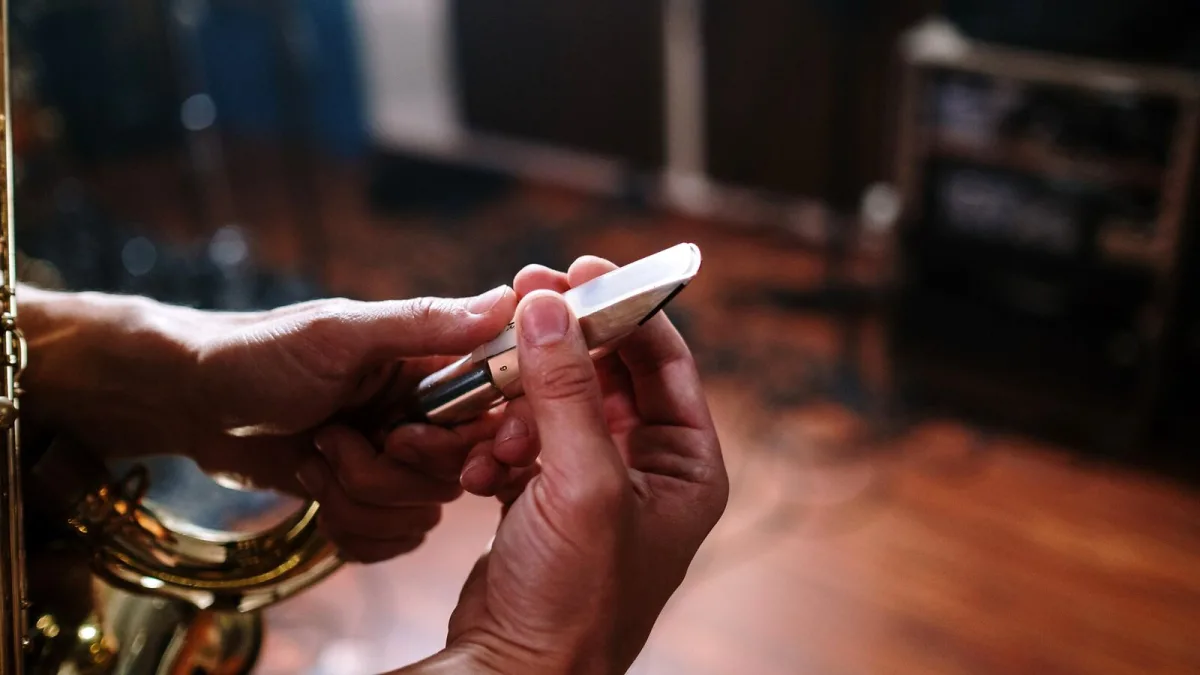
The soprano saxophone is unusually good at exposing small errors quickly, which is either frustrating or genuinely useful, depending on how you look at it. Here are the mistakes that come up again and again, why they happen, and the straightforward fix for each.
| Mistake | Why it happens | The fix |
|---|---|---|
| Clamping down with the embouchure | Feels like it should fix a sharp or thin note | Loosen the jaw, add steady air support instead |
| Assuming a harder reed is better | Seems like the "serious player" choice | Choose by comfortable response, not strength alone |
| Skipping long tones | They feel boring compared to tunes | Treat them as the foundation, not an optional extra |
| Forcing the neck on or off | It can feel stiff, especially when new | Twist gently; never force a tight joint |
| Ignoring small leaks | They're easy to miss day to day | Get periodic technician check-ups even when nothing feels wrong |
| Expecting alto-level ease | Fingerings feel familiar if you've played alto | Budget real time for embouchure and voicing to catch up |
Clamping Down With the Embouchure
This is probably the single most common habit I see, and it's an understandable one: a note comes out sharp or thin, so the instinct is to bite down harder to "fix" it. On a soprano saxophone, that almost always makes things worse, not better, because the small bore is so sensitive to exactly this kind of pressure. The better fix is a looser, more relaxed jaw paired with steady, supported air — it feels counterintuitive at first, but it's what actually solves the problem.
Assuming a Harder Reed Is Automatically Better
There's a persistent idea that moving up in reed strength is a sign of progress. It isn't, not on its own. A reed should be chosen for comfortable response, stable low notes, reliable altissimo and clean articulation, not for how impressive the number sounds. Plenty of excellent players use softer reeds than you'd expect, simply because that's what actually responds well for them.
Skipping Long Tones Because They're Boring
I understand the temptation completely — long tones aren't exciting, and it's tempting to skip straight to tunes. But on this particular instrument, long tones are doing genuine structural work: building the embouchure control and air support that everything else depends on. Skip them for too long and you'll likely hit an intonation wall that's harder to fix later than it would have been to prevent early.
Forcing the Neck On or Off
A stiff joint is common, especially on a newer instrument, and the temptation is to force it. Please don't. The soprano's keywork is genuinely more delicate than the larger saxophones, particularly around the octave mechanism, and forcing an assembly or removal is a fast way to bend something that then needs a technician's attention. A gentle, slightly twisting motion is nearly always all that's needed.
Ignoring Small Leaks
Because the bore is so compact, a leak that would barely register on a tenor can noticeably affect a soprano's response and intonation. Don't wait until something feels obviously broken before booking a check-up. A periodic look from a qualified technician catches small issues while they're still small, cheap fixes rather than bigger ones.
Expecting Alto-Level Ease if You've Played Before
If you already play alto or tenor, it's easy to assume the transition will be quick, since the fingerings are identical. The fingerings, yes. Everything else — embouchure, voicing, air control — genuinely needs its own adjustment period on the smaller bore. Give yourself that time rather than getting frustrated that prior experience "should" have made it instant.
Before You Make Any of These Mistakes
If you're still choosing your instrument, our complete buyer's guide covers what to check before you buy, and our beginner's guide is worth reading alongside this list if you're just starting out. For the fuller background on the instrument itself, see our overview of the soprano saxophone.
The Bottom Line
Nearly every common soprano saxophone mistake comes from the same instinct: forcing something, whether that's embouchure pressure, reed strength or a stiff joint, instead of working with the instrument's natural sensitivity. Slow down, and most of this list stops applying to you.



Comments