


Soprano Saxophone roundup
Soprano Saxophone: A Complete Buyer's Guide
The gap between a well-chosen soprano and a poorly matched one shows up immediately — here's what to check before you buy.
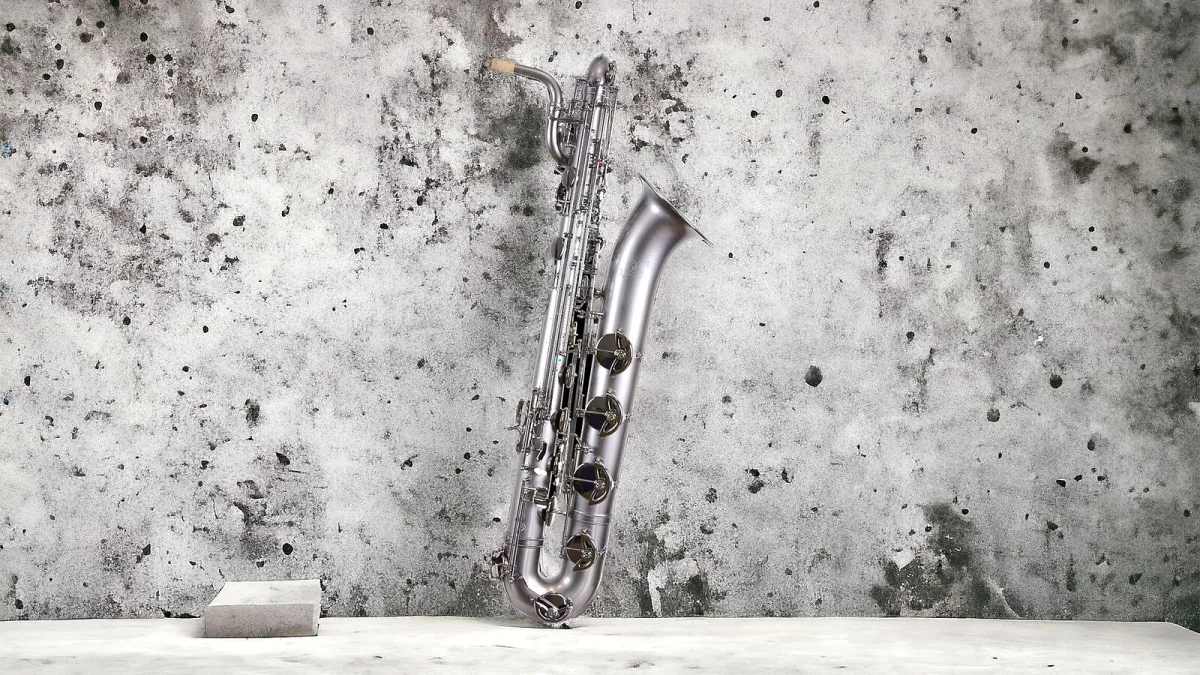
A soprano saxophone is a genuinely lovely thing to own, but it's also the family member most likely to punish an impulse purchase. Because its small bore is so sensitive, the gap between a well-chosen instrument and a poorly matched one shows up immediately, in your intonation and in how much you enjoy playing it. Here's what actually matters before you buy.
Be Honest About Where You're Starting From
If this is your very first saxophone, it's worth pausing here: a soprano is usually not the easiest starting point. Its pitch sensitivity makes it more demanding than an alto, and plenty of experienced teachers steer complete beginners toward alto first. That doesn't rule a soprano out, especially if you're set on that particular sound, but go in with your eyes open about the learning curve.
If you're coming from alto or tenor already, your fingering knowledge transfers directly. What won't transfer automatically is your embouchure, voicing and air control, all of which need re-calibrating for the smaller bore.
Build Quality Matters More Than Brand Name Alone
Whatever badge is on the bell, check the fundamentals in person wherever possible:
- Keys should move smoothly, without sticking or excessive play.
- Pads should seal reliably across the whole range, not just the notes you happen to test.
- The octave mechanism should operate cleanly, since this is one of the more failure-prone parts on a compact instrument.
- Overall ergonomics should feel comfortable, without forcing your right hand, thumb or neck into an awkward position.
A well-regulated used instrument can genuinely outperform a poorly adjusted new one, so don't automatically assume "new" means "better set up."
Straight, Curved or Interchangeable?
Most sopranos are straight, but curved-neck and curved-bell versions exist, and some professional instruments offer interchangeable necks so you can try both feels on one horn. This is genuinely a personal preference rather than a quality marker — test both in person if you possibly can, since the ergonomic difference is far easier to judge by holding the instrument than by reading a spec sheet.
The High F♯ Key: Worth Having?
Many current professional models include a high F♯ key, extending the usable range upward. It's useful for certain repertoire and for players who lean on the altissimo register, but it isn't essential for everyone. If you're not yet sure how far into the upper range you'll be playing, don't let its absence or presence be the deciding factor on its own.
Mouthpiece Compatibility Matters on a Soprano Saxophone
A soprano saxophone's stock mouthpiece is rarely the final word on how it will sound for you. Check that the mouthpiece response feels consistent across the whole register before you buy, and budget mentally for the possibility that you'll want to try a different mouthpiece once you know your own playing style better.
A Practical Pre-Purchase Checklist
| Check | Why it matters |
|---|---|
| Key and pad condition | Small leaks have an outsized effect on a soprano's response |
| Octave mechanism | A common weak point; test it thoroughly before buying |
| Neck style (straight/curved) | Personal ergonomic preference, not a quality signal |
| High F♯ key | Useful for extended range, not essential for every player |
| Mouthpiece response | Should feel even and reliable across the register |
Before you finalise anything, it's worth reading our list of common mistakes to avoid, since a few of them happen right at the point of purchase.
If You're Still Deciding
For the fuller picture on how this instrument developed and what actually shapes its tone, our overview of the soprano saxophone is a good companion piece, and total beginners may want to start with our beginner's guide before making a final decision.
The Bottom Line
Buying the right soprano saxophone well means checking build quality and setup ahead of brand name, testing neck styles and mouthpieces in person where you can, and being realistic about whether it's the right first instrument for you. Get those basics right and the rest comes down to personal taste.



Comments