


Piccolo Instrument roundup
The Best Piccolo Instruments for the Money
Student, step-up, professional and marching tiers: where piccolo prices actually land and which one suits you.
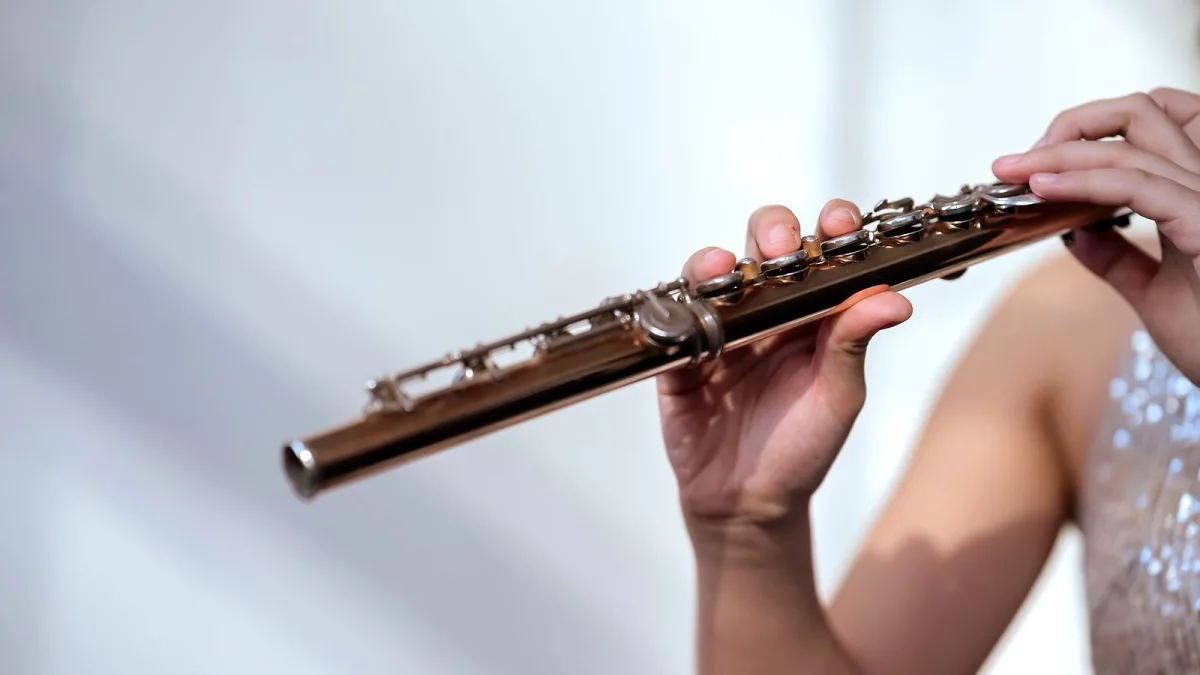
Prices for a piccolo span a genuinely wide range, from sensible student models to instruments costing as much as a good used car. Rather than pointing at specific products, here's how the actual tiers break down, so you can work out honestly where your money is best spent.
Entry Level: Plastic and Resin Student Models
This is where the vast majority of school-age players start, and for good reason. Plastic and resin instruments are durable, stable across changing temperatures, and forgiving of the occasional knock that a beginner is more or less guaranteed to deliver at some point. Established makers such as Yamaha, Gemeinhardt and Jupiter all produce a solid entry-level piccolo with dependable keywork, which matters far more at this stage than tonal complexity.
Step-Up Tier: Intermediate Instruments
Once basic technique is genuinely secure, a step-up model typically brings improved keywork precision, better intonation consistency across the range, and often a composite or part-wood construction that starts to hint at a more refined tone. This tier is where a lot of school and youth-orchestra players comfortably stay for years, and it's frequently the smarter first piccolo purchase even for a genuinely promising beginner rather than jumping straight to a professional model.
Professional Tier: Wood and Specialist Makers
At the top end sit wooden instruments, generally grenadilla, from established specialist makers including Powell, Muramatsu, Altus, Miyazawa and Brannen. These are built for players who already have the technique to exploit a more complex, blended tone and who need reliable performance under the pressure of an audition, recording session or professional orchestral seat. This tier rewards skill that's already there; it won't manufacture technique that isn't.
Metal: The Marching Band Piccolo
Sitting slightly apart from the wood-versus-plastic ladder, a silver-plated metal piccolo is common in marching and military band settings, valued for strong outdoor projection. Some players also use a metal piccolo in concert settings depending on their tonal goals, so don't assume this category is purely functional rather than musical.
How Much Should a Beginner Actually Spend?
As a rough rule, spend enough to guarantee dependable keywork and consistent intonation, and no more than that until you know the instrument suits you. A cheap, poorly made piccolo with sticky keys will actively work against a beginner's progress, while an expensive one bought too early simply sits underused. The entry and step-up tiers above cover almost every genuine beginner and intermediate need.
Buying Second-Hand at Any Tier
A used piccolo can genuinely stretch your budget further, sometimes letting you reach a materially better instrument than a new purchase at the same price. The trade-off is risk: wooden instruments in particular can carry hidden cracking or past repairs that aren't obvious without a proper inspection. If second-hand is on the table, budget a little of your savings for a technician to check it over before you commit, rather than treating the lower price as pure upside.
Where the Money Tiers Actually Land
| Tier | Typical material | Best for |
|---|---|---|
| Entry level | Plastic or resin | School-age beginners, tight budgets |
| Step-up | Composite or part-wood | Developing players, youth orchestras |
| Professional | Wood (often grenadilla) | Advanced players, auditions, orchestral work |
| Marching-focused | Metal, often silver-plated | Outdoor projection, marching and military bands |
If you're not yet sure which tier actually suits your situation, this complete buyer's guide walks through exactly what to check regardless of budget, and this full introduction to the instrument is worth reading if you're still weighing up whether it's the right choice at all.
Don't Assume Price Guarantees Sound
Here's the honest bit: a poorly maintained expensive piccolo will lose to a well set up cheaper one almost every time. Regular servicing, correct pad sealing and simply keeping an instrument clean and dry matter enormously, at every single price point on this list. Spend within your actual level first, then worry about squeezing out the last bit of tonal refinement.
The Bottom Line
There's a genuinely sensible piccolo at every budget here, from a dependable plastic student model right through to a specialist wooden instrument built for professional demands. Match the tier to where you actually are as a player, not where you'd like to be in five years, and you'll get far more value for your money either way.



Comments