


Piccolo Instrument roundup
Piccolo Instrument: A Complete Buyer's Guide
What actually matters before buying a piccolo, from register response to repair support most players forget to ask about.
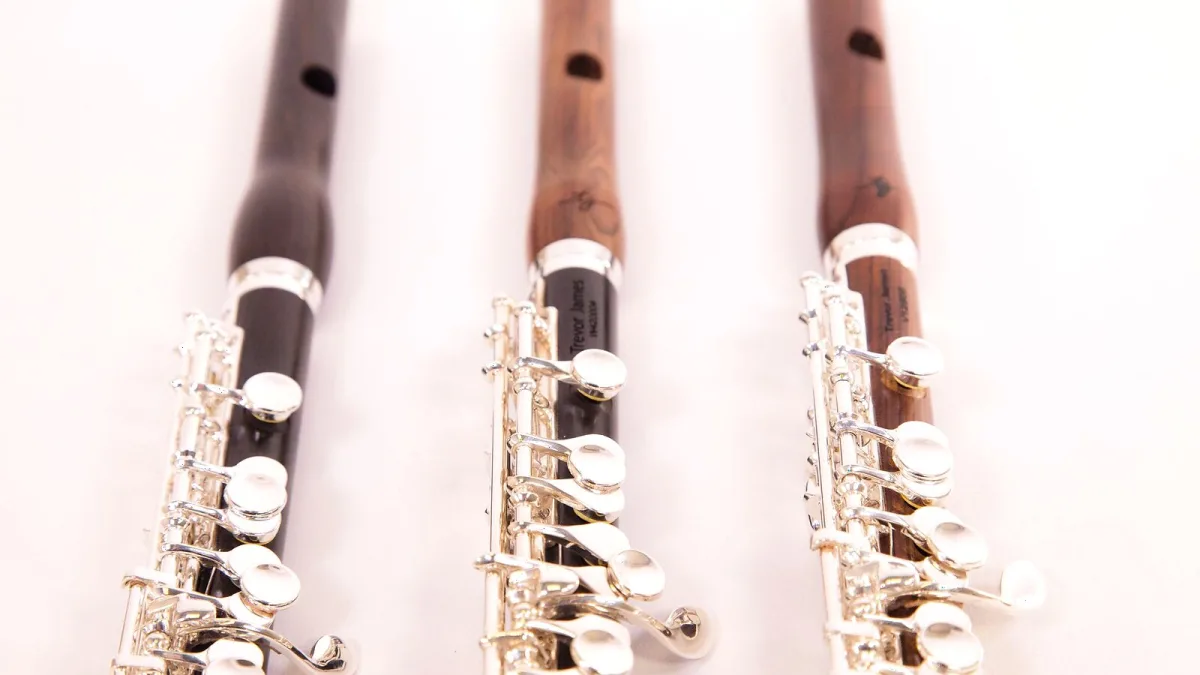
Shopping for a piccolo is a little different from most woodwind purchases, mostly because so much of what matters is invisible until you actually play the thing. Let's go through what genuinely counts, in an order that'll save you both money and disappointment.
Work Out What Level of Piccolo You're Actually Buying For
Be honest about this before anything else. A first purchase for a school-age beginner, a step-up instrument for someone already playing flute confidently, and a professional orchestral instrument are three completely different shopping trips, with different priorities at each stage. Buying above your current level rarely helps — a piccolo you can't yet control properly won't teach you anything a well-chosen intermediate one can't.
The Six Things Worth Actually Checking on Any Piccolo
- Intonation across the full range — play slowly with a tuner through low, middle and high registers, since some instruments drift more in certain areas than others.
- How the low notes respond — this register can feel weak or flat on lower-quality instruments, so test it specifically rather than assuming it'll be fine.
- Stability in the top register — the highest notes should speak cleanly without excessive air pressure or an unpleasant, shrill edge.
- Key alignment and pad sealing — sluggish or leaking keys point to poor manufacturing or a need for immediate servicing.
- Headjoint comfort — this affects embouchure directly, so it genuinely matters even more than it might for other instruments.
- Wood condition, if applicable — check carefully for any history of cracking, particularly on older or used wooden instruments.
Wood, Plastic or Metal: Choosing for Your Situation
| Material | Best suited to | Watch out for |
|---|---|---|
| Wood (often grenadilla) | Orchestral and indoor concert playing | Needs careful humidity management; can crack if mishandled |
| Plastic or resin | Students, marching, changeable climates | Different tonal character from wood, though very playable |
| Metal, often silver-plated | Marching, military and some concert use | Strong projection can be less blended in some ensemble settings |
None of these is universally correct — the right material genuinely depends on where and how often you'll actually be playing, not just budget alone.
Don't Overbuy for a First Piccolo
It's tempting to stretch for the most professional-sounding option available, but a reliable intermediate piccolo with good keywork and proper service support is usually far more practical for a first purchase than an expensive professional model you can't yet fully control. Save the higher tier for once your ear and technique have actually caught up with what it can offer.
Ask About Parts and Repairs Before You Buy
A piccolo is small, specialised, and not every general repair technician is confident working on one. Before buying, particularly used or from a less established maker, ask about the local availability of servicing, replacement pads and keywork repair. A brilliant instrument with no accessible repair support becomes a genuine headache the first time something needs attention.
Try the Piccolo Properly Before Committing
If you possibly can, play any prospective purchase yourself, or bring a teacher who can. Ten minutes of scales, long tones and register jumps will tell you more than any spec sheet or online review. For the fuller picture on what the instrument actually is and how it works before you go shopping, this complete guide is worth reading first, and if budget is your main concern, the best options for the money breaks the market down by price tier.
New Piccolo Versus Second-Hand
A new piccolo comes with a warranty and no unknown history, which matters given how sensitive wooden instruments can be to past mistreatment. A used one can represent real savings, but only if you or a trusted technician can properly assess its condition first — ask directly about any cracking, past repairs and how it's been stored, and don't be shy about walking away if the answers feel vague.
Budget for the Extras
Factor in a proper case with humidity protection, a cleaning rod and swab, and a first service if you're buying used. None of this costs much next to the instrument itself, but it's easy to forget when you're focused purely on the purchase decision.
The Bottom Line
Buying a piccolo well comes down to matching the instrument to your actual level, checking intonation and response properly rather than trusting a spec sheet, and confirming repair support exists before you commit. Get those three things right and everything else tends to fall into place.




Comments