


Boom Mic article
Common Boom Mic Mistakes to Avoid
From holding it too far away to skipping headphone monitoring, these are the boom mic mistakes almost everyone makes at first — and the free fixes for each.
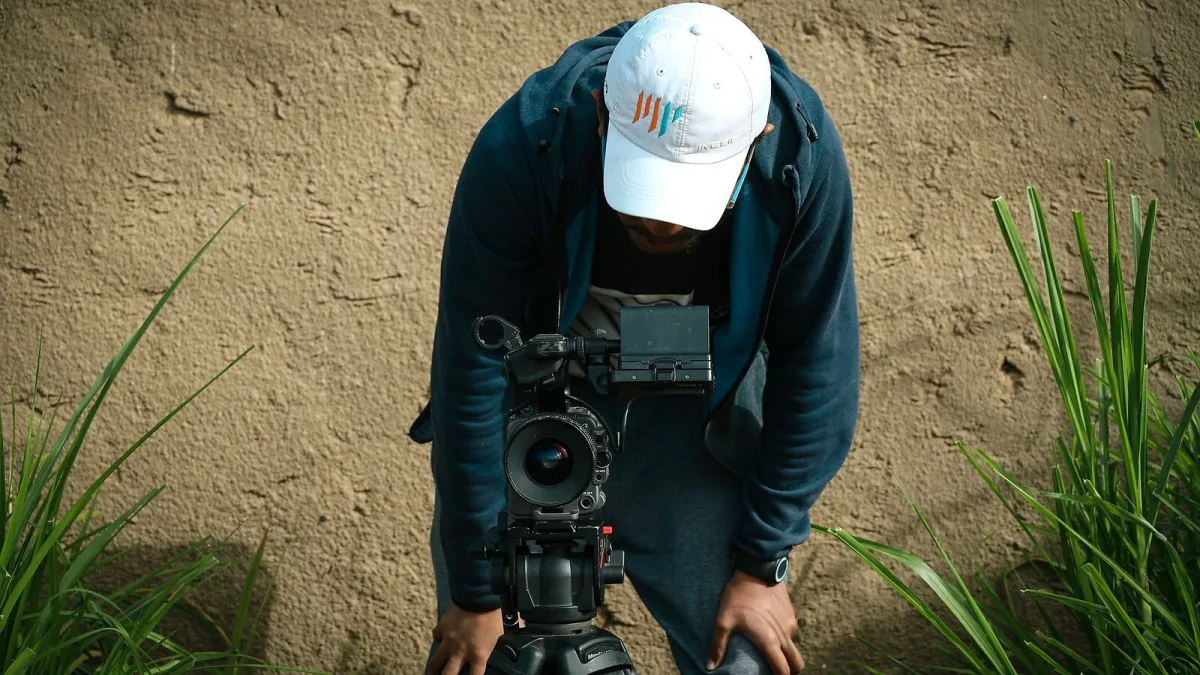
I've made most of the mistakes on this list myself with a boom mic in hand, so consider this the shortcut I wish someone had handed me. None of these need expensive gear to fix — they're almost all technique and a bit of patience. Here are the ones that trip people up again and again, and the quick fix for each.
Mistake 1: Holding It Too Far From the Speaker
This is the big one. It's tempting to keep the microphone well clear of the frame "just in case", but distance is the enemy of a clean recording. A microphone placed close to a voice beats a distant one every time, however tightly directional it is. Get it as near as the shot genuinely allows, then double-check by monitoring, not by eye.
Mistake 2: Aiming Between Speakers Instead of at Whoever's Talking
If two people are chatting, pointing the microphone halfway between them feels efficient, but directional mics are picky about angle — sound arriving off-axis loses clarity and tone fast. Follow the active speaker properly, even if that means more movement than you'd like.
Mistake 3: Using a Long Shotgun Indoors
Long shotgun microphones are built for open air, where there's little for their interference tube to fight against. Stick one in a small, hard-walled room and you'll often get a boxier, less natural sound than a hypercardioid or short shotgun would give you in the same space. Match the microphone to the room, not the other way round.
Mistake 4: Trusting a Foam Windshield Outdoors
Foam is fine for a light breeze indoors near a fan or air conditioning, but it's nowhere near enough for genuine outdoor wind. You need a proper blimp with a furry "dead cat" cover the moment you step outside, or you'll be fighting rumble and gusts in every take.
Mistake 5: Letting the Pole or Cable Transmit Handling Noise
A rigid mount, a slack cable slapping the pole, or fidgety hands all send noise straight into the capsule. An elastic shock mount absorbs most of this, but it still helps to hold the pole with relaxed hands, secure the cable properly, and avoid shifting your grip mid-take.
Mistake 6: Skipping Headphone Monitoring
Watching the meters isn't the same as listening. Wind rumble, a faint hum, an unexpected shadow-causing wobble, or a mic that's drifted slightly off-axis all show up in your ears long before they show up as an obvious level problem. Wear closed-back headphones and actually listen, every take.
Mistake 7: Assuming Directional Means Immune to Background Noise
A highly directional pattern reduces sound from the sides and rear — it doesn't cancel noise coming from in front, and it won't fix reflections bouncing off nearby walls. If a location is genuinely noisy, no amount of directionality on its own will fully save the take; you also need distance, quieter surroundings, or some acoustic treatment.
Mistake 8: Creating a Visible Shadow While Staying "Out of Frame"
Technically out of shot doesn't always mean invisible. A microphone can sit just above the frame line and still throw a shadow across a face or a wall under the wrong lighting. Check a monitor, not just the viewfinder, and be ready to adjust height or angle the moment you spot one.
Boom Mic Mistakes: Quick Reference
| Mistake | Fast fix |
|---|---|
| Too far from the speaker | Get closer; monitor, don't guess by eye |
| Aiming between speakers | Follow the active speaker precisely |
| Long shotgun indoors | Swap to hypercardioid or short shotgun |
| Foam windshield outdoors | Use a blimp and furry cover |
| Handling noise | Elastic shock mount, relaxed grip, secured cable |
| Not monitoring | Wear closed-back headphones and listen every take |
| Overtrusting directionality | Add distance and quieten the location too |
| Shadows in frame | Check a monitor, adjust height and angle |
If any of this still feels a bit abstract, our explainer on how a boom mic works covers the underlying principles, and our beginner's guide is the gentler starting point if you're brand new to holding one at all. Already shopping? Our buyer's guide and roundup of the best options for the money will help you avoid buying the wrong tool for the room you're actually working in.
The Bottom Line
Almost every boom mic mistake on this list costs nothing to fix — it's proximity, patience, and actually listening rather than watching a meter. Nail the technique and even a fairly ordinary boom mic will sound genuinely professional.



Comments