


Boom Mic article
Boom Mic for Beginners: A Complete Guide
A boom mic looks intimidating until you've actually held one. Here's the simple starter setup, the placement habit that matters most, and what to expect first time.
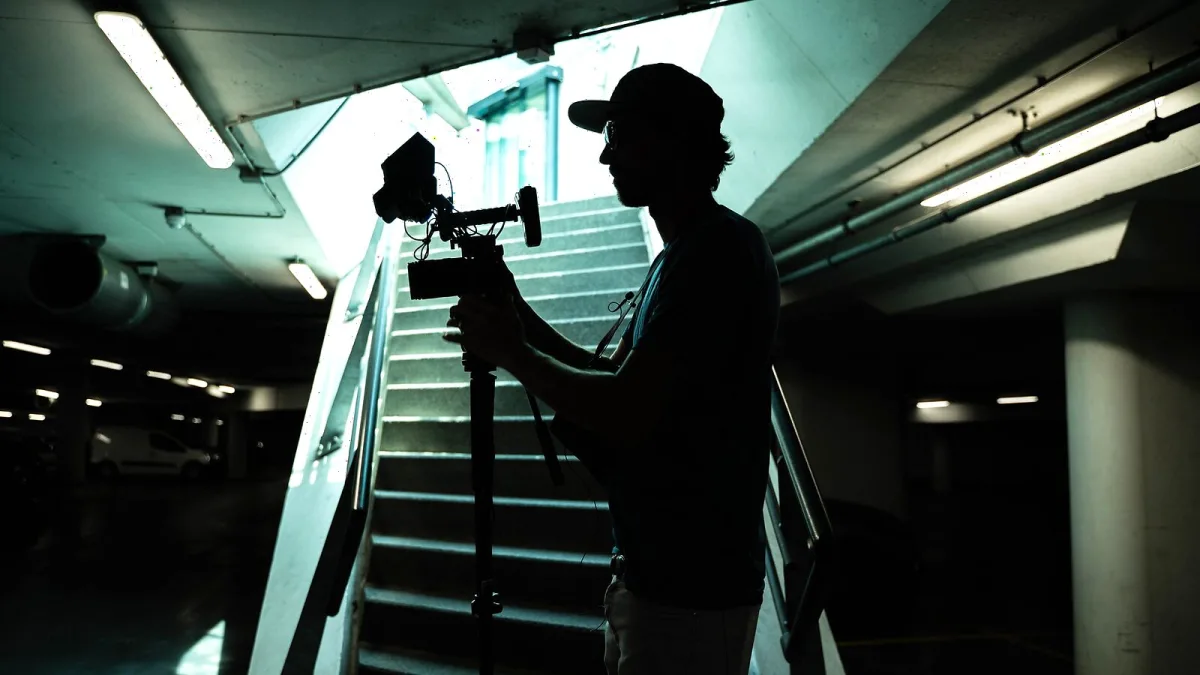
Right, deep breath — a boom mic sounds like proper film-set gear, and honestly, it kind of is, but it's also completely learnable in an afternoon. I remember staring at a shotgun mic on a stand thinking I'd need a media studies degree to use it properly. I didn't. You just need to understand what it's for and get a few habits right from the start. Let's get you there.
Yes, You Can Do This
Here's the bit nobody tells beginners: a boom mic is simple in concept. It's a microphone on a pole, arm or stand, positioned close to whoever's talking so it can pick up a clean, natural voice without being seen. That's genuinely it. Everything else — polar patterns, phantom power, shock mounts — is just detail you can pick up as you go, not a wall you need to climb before you start.
The Simplest Starter Setup
For your first go, keep it stupidly simple. You want:
- A single directional microphone (a short shotgun or a hypercardioid is the easiest to get good results from)
- Something to hold it — a cheap boom pole, a mic stand with a boom arm, or even just a steady hand for a first test
- A basic foam windshield if you're anywhere near moving air, even a fan indoors
- Whatever you're recording into — a camera, an audio interface, or a simple handheld recorder
You do not need the full professional rig on day one. Add a proper shock mount and better wind protection once you know you're going to keep using it — there's no shame in starting basic.
Where to Point It (and How Close)
This is genuinely the bit that matters most, more than which microphone you bought. A boom mic works best close to the source, so aim to get it as near as you can without it wandering into shot. A decent starting point is somewhere around 20–30cm above the head, angled down toward the mouth. Keep it pointed steadily at whoever's speaking — directional mics get noticeably duller and boxier the further you swing off-axis, so consistency matters more than perfect distance.
Your First Recording: What to Expect
It probably won't sound perfect first time, and that's completely normal. Common early surprises include a faint rumble (that's handling noise travelling up the pole — a proper shock mount fixes it), a boxy or hollow tone (usually the room, not the mic — try a softer, less bare space), and wind noise outdoors, which a basic foam cover won't fully solve. None of these mean you've bought the wrong gear. They're just the normal learning curve, and every single person who's ever picked up this kit has been through exactly the same thing.
Common Beginner Worries (and Why They're Fine)
"What if I buy the wrong one?"
Almost any reasonably directional microphone will teach you the fundamentals. You're not locking yourself in — you're learning technique that carries over to whatever you upgrade to later.
"Do I need phantom power straight away?"
Not necessarily. Plenty of beginner-friendly boom mics run on a battery or plug straight into a camera, so you can learn placement and handling before worrying about mixers and XLR wiring.
"My arms get tired holding it"
Completely normal, and a sign you might want a lighter pole or a proper stand-mounted arm rather than hand-holding everything. There's no prize for suffering through it.
Levelling Up When You're Ready
Once the basics feel comfortable, it's worth reading through the specs properly in our buyer's guide, which goes into pickup patterns and power options in more depth than you need right now. Our explainer on how it all works is also a good next step once you're curious about the "why" behind what you've been doing by feel. And before you get too far in, skim our list of common mistakes people make — it'll save you from a few headaches I definitely didn't avoid myself.
The Bottom Line
A boom mic looks intimidating from the outside and isn't, once you've actually held one. Start simple, get the placement habit right before anything else, expect a slightly rough first attempt, and build the rest of the gear up as you actually need it rather than all at once. You'll be pointing it like you've done it for years within a couple of sessions.



Comments