


Boom Mic roundup
Boom Mic: A Complete Buyer's Guide
Buying a boom mic comes down to a handful of real decisions — pickup pattern, power, and the rig you build around it. Here's what's worth your budget and what isn't.
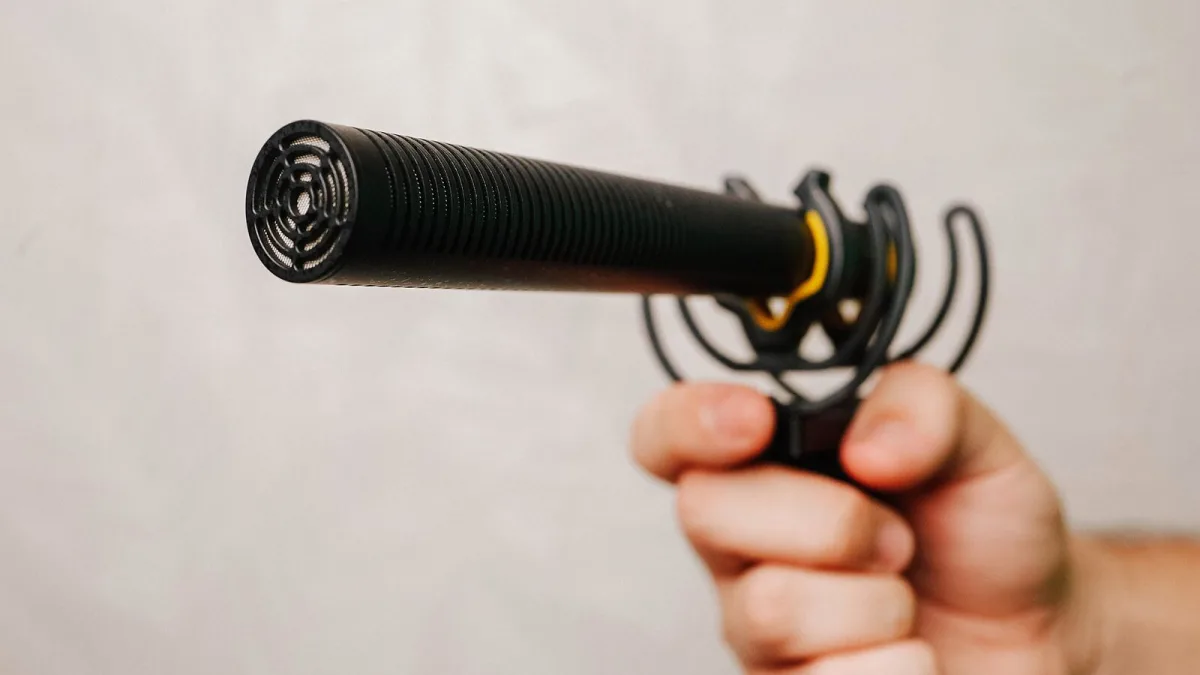
I get asked about boom mics a lot from people setting up a home studio or a small video corner, and it's usually the same worry: which spec actually matters, and which is just marketing? A boom mic lives or dies on a handful of decisions — the pickup pattern, the power option, and the accessories you build around it. Get those right and even a modest microphone will sound genuinely good. Get them wrong and even an expensive one will disappoint you. Here's what I'd actually check before spending any money.
Start With the Mounting, Not the Microphone
The phrase "boom mic" describes how the thing is used — on a pole, an arm or a stand — rather than one fixed design. That matters when you're shopping, because it means you're really buying two things: a microphone with the right pickup pattern, and a mount that suits your room and your camera or interface. Skip either half and the other one can't compensate.
Pickup Pattern: The Decision That Shapes Everything Else
This is where I'd spend most of your research time. A directional capsule is what lets a boom mic favour the voice in front of it and play down everything else.
| Pattern | Best suited to | The trade-off |
|---|---|---|
| Short shotgun | Compact rigs, interviews, indoor and outdoor use | Can sound a touch boxy in very reflective rooms |
| Long shotgun | Outdoor dialogue, controlled locations | Bulkier, and more sensitive to indoor reflections |
| Hypercardioid | Interior dialogue, theatre, treated rooms | Less reach and rear rejection than a shotgun |
| Supercardioid | General-purpose boom work | Has a rear pickup lobe worth being aware of |
My rule of thumb: if most of your recording happens indoors in an untreated room, a hypercardioid or short shotgun will usually sound more natural than a long shotgun. The long ones are designed for open air, not four hard walls.
Short Shotgun vs Long Shotgun, in Practice
A short shotgun is the more forgiving all-rounder — it packs down small, works reasonably well indoors, and still gives you useful reach outside. A long shotgun trades that flexibility for extra reach and tighter rejection, which only really pays off outdoors or in a properly treated space. For most people building their first setup, that pushes the decision firmly toward a short shotgun.
Power: XLR and Phantom Power, or 3.5mm?
Professional microphones almost always run on balanced XLR, with 48-volt phantom power supplied by a mixer, recorder or interface. Some models — the Sennheiser MKE 600 and RØDE NTG-2 are both cited as examples — offer dual power, running on phantom power or an internal battery so they'll still work plugged into a camera without phantom supply. Cheaper, camera-mounted options often use a 3.5mm connection with plug-in power instead, which is fine for casual use but rarely matches an XLR setup for noise floor and headroom.
The Rest of the Rig Matters As Much As the Capsule
A great capsule on a bad mount will still sound rough. Budget for:
- A boom pole (aluminium is cheaper and heavier; carbon fibre costs more but saves your arms on long sessions)
- An elastic shock mount rather than a rigid clip, so pole and handling noise never reach the capsule
- A balanced XLR cable long enough to reach your mixer or recorder
- Wind protection: foam indoors, a blimp with a furry cover for anything outside
Skimp on the shock mount or the wind cover and you'll hear it immediately, however good the microphone itself is.
Questions Worth Asking Before You Buy
- Will most of my recording happen indoors, outdoors, or a mix of both?
- Does my camera, mixer or interface actually supply phantom power, or do I need a battery-powered option?
- Am I recording one speaker, a conversation, or a wider group?
- Do I already own a boom pole and shock mount, or does that need budgeting in too?
- Is the room I'll be using treated at all, or fairly hard and reflective?
If you're still finding your feet with the terminology here, our overview of how a boom mic actually works is a good place to start, and our roundup of the best boom mics for the money maps these specs onto actual price tiers. First-timers might also prefer our gentler beginner's guide before diving into specs at all.
The Bottom Line
Buying a boom mic isn't really about finding the "best" microphone in isolation — it's about matching the pickup pattern to your room, checking your power situation, and not underspending on the mount and wind protection that let the capsule do its job properly. Get those decisions right first, and almost any reputable shotgun or hypercardioid microphone in your budget will serve you well.



Comments