


Noise Cancelling Headphones article
Noise Cancelling Headphones for Beginners: A Complete Guide
If you are new to noise cancelling headphones, here is exactly what you need to know to make a good first purchase without overcomplicating it.
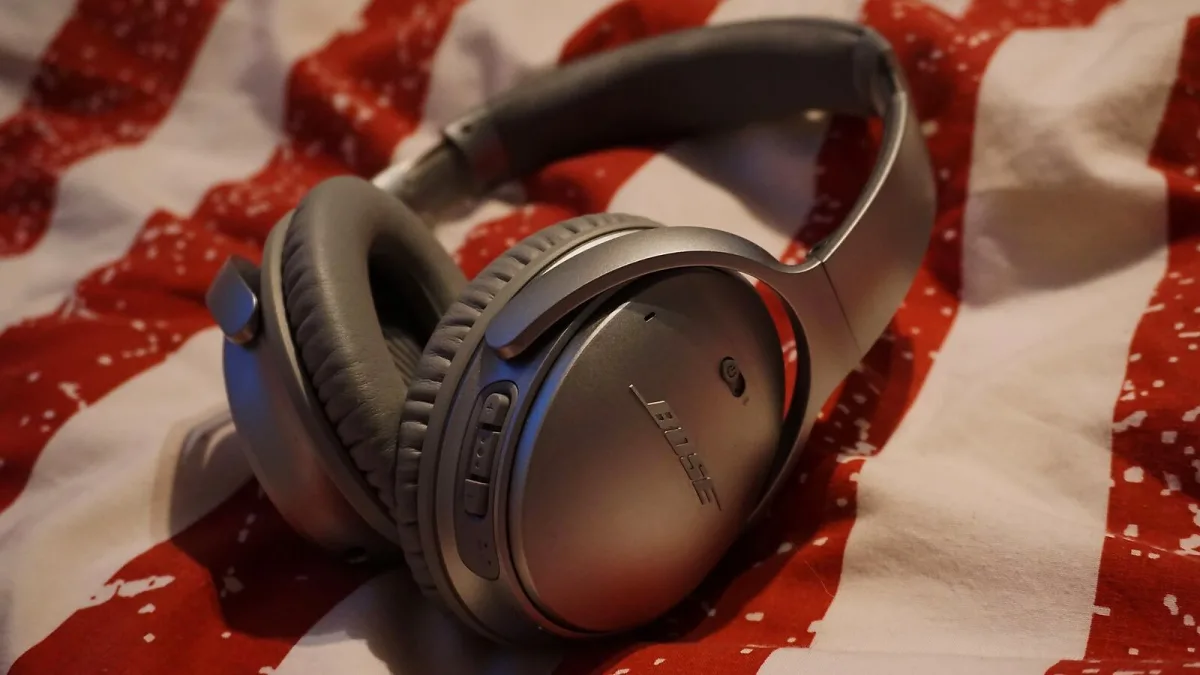
If you have just started looking into noise cancelling headphones, the number of options and technical terms can be overwhelming. This guide covers exactly what you need to know to make a confident first purchase, without overcomplicating what is ultimately a practical decision.
What Noise Cancellation Actually Means
There are two types of noise reduction in headphones: active and passive. Passive isolation is simply the physical blocking of sound by the ear cup's mass and seal — all closed-back headphones do this to some extent. Active noise cancellation (ANC) adds electronics: microphones sample the ambient sound and the headphone generates a counter-signal to cancel it. Noise cancelling headphones use both together.
ANC works best on consistent, low-frequency sounds — the rumble of a train, the hum of an aircraft cabin, the drone of air conditioning. It is less effective on speech and sudden sharp sounds. Understanding this helps you set realistic expectations from the start.
What to Buy First
As a first purchase, aim for the £150–£250 range. This covers models like the Sony WH-1000XM5 (often discounted), the Bose QuietComfort 45, and the Jabra Evolve2 55 — all of which offer effective ANC, good audio quality and comfortable fit for long sessions. Under £100, ANC performance and audio quality both drop significantly. The step up to the £150+ tier is worth it for regular daily use.
Over-Ear vs In-Ear
Over-ear (circumaural) models sit around the ear and provide the best passive isolation alongside ANC. They are bulkier but more comfortable for long sessions and generally have larger batteries. In-ear ANC models — like the Apple AirPods Pro or Sony WF-1000XM5 — are more compact and portable but provide less passive isolation and shorter battery life. Start with over-ear unless portability is your primary concern.
Wireless Is the Default
Almost all consumer ANC models are wireless. Bluetooth range and connection quality are reliable in normal use. For studio monitoring or professional audio work with real-time playback, look for a model that includes a wired cable and functions in wired mode with ANC active. For everyday listening, wireless is completely adequate.
How to Get the Most from ANC
The effectiveness of ANC depends on a good seal. Make sure the ear pads sit flat against your head and that glasses or earrings are not breaking the seal. Keep the battery charged — some models reduce ANC performance when the battery is low. Most models let you adjust ANC intensity; start with the highest setting and reduce it only if you experience discomfort from the pressure sensation some people feel initially.
Caring for Your Headphones
Store headphones in the provided case when not in use — this prevents cable damage on wired models and protects the ear pads from compression. Clean ear pads periodically with a slightly damp cloth; sweat and skin oils degrade PU leather ear pads over time. Avoid leaving them in hot environments (car interiors in summer) as heat degrades both the ear pad adhesive and battery chemistry.
When you are ready to choose a specific model, the buyer's guide covers what to evaluate. For a technical explanation of how ANC works, see the features guide.
The Bottom Line
For a beginner, noise cancelling headphones in the £150–£250 range from Sony or Bose offer the best balance of ANC effectiveness, audio quality and comfort. Start with an over-ear wireless model, confirm the return policy is acceptable, and give them a week of regular use before forming a final judgement.




Comments