


Noise Cancelling Headphones article
Common Noise Cancelling Headphones Mistakes to Avoid
Most problems with noise cancelling headphones are avoidable — here are the errors that come up repeatedly and how to prevent each one.
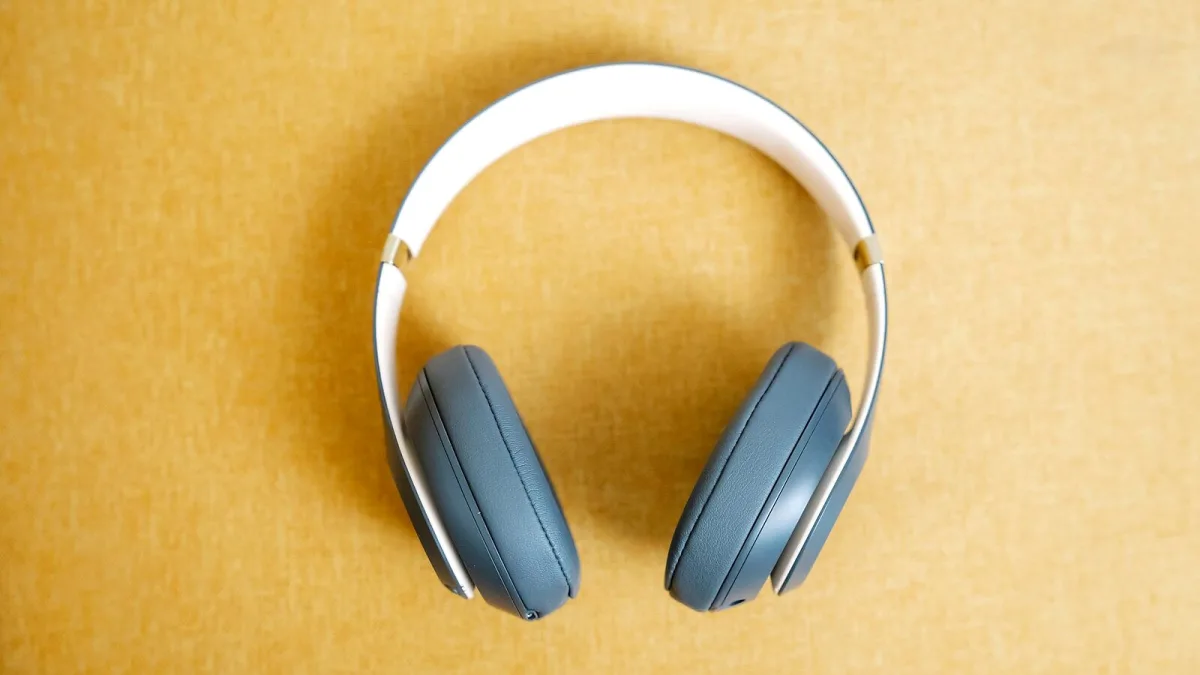
Most problems with noise cancelling headphones come from mismatched expectations, poor fit, or avoidable habits. The technology is reliable when used correctly — the issues that arise are predictable and fixable. Here is what to watch for.
Expecting ANC to Block All Sound
The most common mistake with noise cancelling headphones is expecting them to eliminate all ambient sound. Active noise cancellation handles low-frequency, consistent sounds extremely well — engine rumble, air conditioning, aircraft noise. It handles speech, sudden transients and high-frequency sounds much less effectively. The right expectation is a significant reduction in ambient noise, not silence. Understanding this before you buy prevents disappointment after.
Buying Without Checking Fit
ANC effectiveness depends partly on the passive seal of the ear cup against your head. A good seal significantly increases both passive isolation and the effectiveness of active cancellation. People with very large or small heads, those who wear glasses, or those with prominent ears often find certain models seal poorly. If the ear pads do not sit flat against your head without gaps, you are losing both passive isolation and ANC performance. Try before buying when possible, or confirm the return policy allows for fit-based returns.
Using Budget ANC for Studio Monitoring
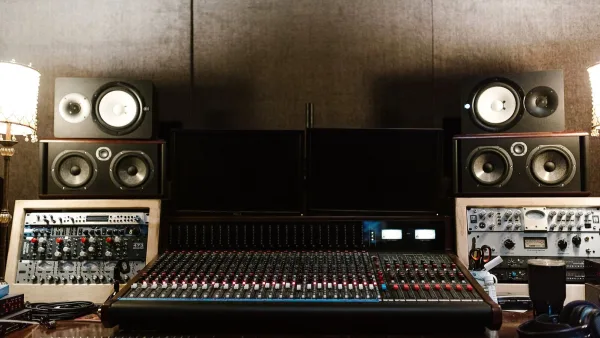
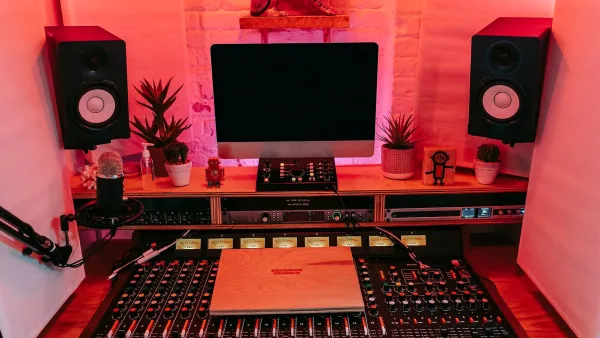
Budget ANC models are optimised for consumer listening, not flat-frequency studio monitoring. Using them as a primary reference tool for mixing introduces significant frequency response colouration that leads to poor mixing decisions — particularly in the bass and lower midrange. For studio work, use dedicated studio headphones (with flat response) for critical decisions and ANC headphones only for checking how mixes translate to consumer listening environments.
Ignoring Bluetooth Latency
Wireless ANC models introduce Bluetooth latency — typically 100–200ms — which creates a noticeable delay between audio and video. For listening to music only, this is imperceptible. For watching video, many models compensate with a low-latency mode. For real-time audio monitoring while recording, wireless Bluetooth is unsuitable; use wired connection or a model with a dedicated wireless transmitter and receiver that bypasses standard Bluetooth latency. This is a frequently overlooked limitation when people first encounter noise cancelling headphones in a professional context.
Storing Them Without the Case
Loose storage — in a bag without a case, folded without a pouch — causes cable damage, scratches on the ear cup finish, and accelerated wear on the headband padding. The provided carry case exists specifically to prevent this. Use it. For musicians who travel regularly, a hard shell case provides significantly better protection than a soft pouch for packed luggage.
Not Cleaning the Ear Pads
Ear pads accumulate sweat, skin oils and debris with use. Over time, this degrades PU leather (causing peeling and cracking), breaks down memory foam (reducing comfort and passive seal), and can cause skin irritation. Wipe ear pads down with a slightly damp cloth after sessions in warm conditions. Replace ear pads when the surface begins to peel or the foam loses its resilience — most major brands offer replacement pads, and fresh pads restore both comfort and passive isolation performance.
For guidance on what to look for when buying, see the buyer's guide. For new users, the beginner's guide covers the essentials.
The Bottom Line
Most noise cancelling headphone problems are avoidable: set realistic expectations for what ANC can do, confirm fit before buying, keep the ear pads clean, and store the headphones in their case. The technology works well when used correctly in the right context.




Comments