


Noise Cancelling Headphones roundup
Noise Cancelling Headphones: A Complete Buyer's Guide
The right pair of noise cancelling headphones depends on your specific use case — here is what to evaluate before buying.
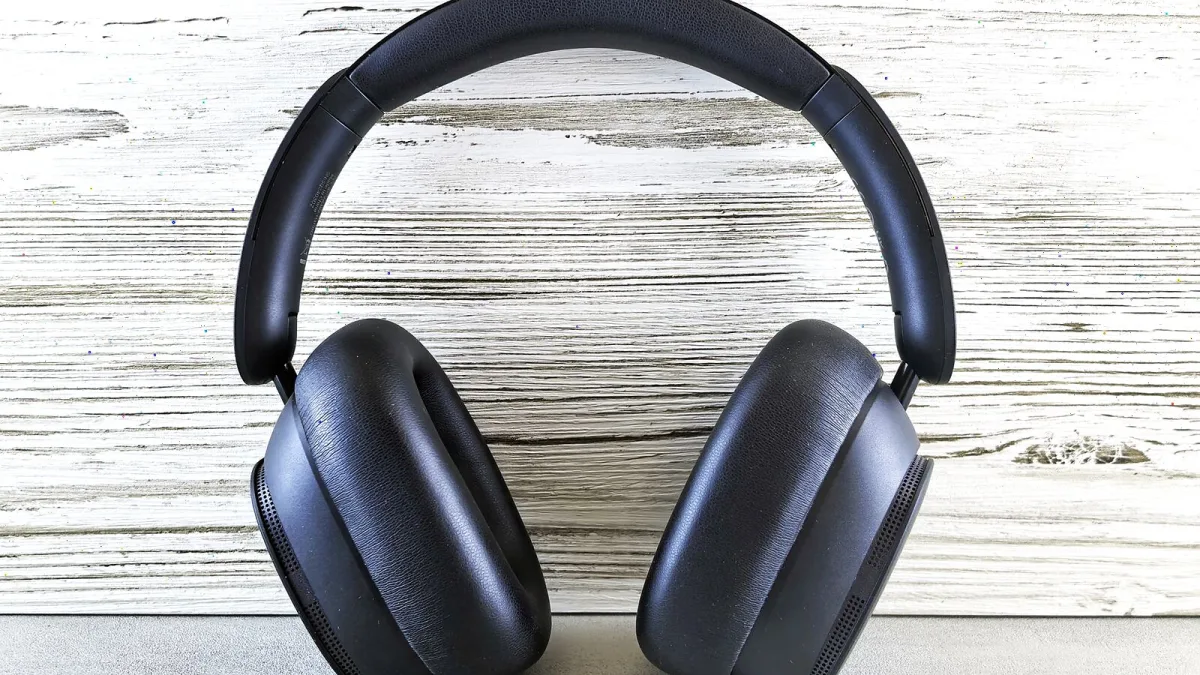
Buying noise cancelling headphones is more complex than it appears. Price, ANC effectiveness, audio quality, comfort and form factor all interact — and the right choice depends heavily on how you intend to use them. This guide explains what to evaluate at each stage.
Define Your Use Case
Before evaluating features, be specific about where and how you will use the headphones. For daily commuting on public transport, ANC effectiveness is the primary requirement. For open-plan office work, comfort for long sessions matters most. For studio monitoring in a noisy room, wired connection with low latency is essential. A pair optimised for air travel may not be the best choice for six hours of mixing. Clarity about use case prevents buying the wrong thing regardless of price.
ANC Quality
Not all noise cancelling headphones cancel noise equally well. The best current ANC — found in the Sony WH-1000XM5, Bose QuietComfort Ultra and Apple AirPods Max — reduces low-frequency ambient sound by 25–30dB in practical use. Budget ANC implementations may deliver only 10–15dB of reduction. Test in a genuine noisy environment if possible before committing, or read reviews that measure ANC effectiveness quantitatively rather than subjectively.
Audio Quality
ANC headphones compete with non-ANC headphones at the same price point. At the budget end (under £100), ANC often compromises audio quality — the engineering cost of building effective ANC into a low-cost product leaves less room for quality drivers and tuning. From £150 upward, the tradeoff becomes less significant. Above £250, the best models are genuinely competitive with non-ANC headphones at equivalent prices.
Comfort and Fit
Long sessions expose comfort shortcomings quickly. Check: ear pad material (memory foam and protein leather are more breathable than basic PU leather), clamp force (too tight causes fatigue, too loose breaks the passive seal), and headband padding. Weight matters for long sessions — the Apple AirPods Max at 385g is noticeably heavier than the Sony WH-1000XM5 at 250g. If possible, try before buying, particularly for sessions exceeding two hours.
Wired vs Wireless
Wireless operation is the norm for consumer ANC headphones. For studio or professional use, check whether the model supports wired connection with ANC active — some models disable ANC in wired mode, which removes the benefit for noisy environments. Bluetooth codec matters for wireless quality: aptX Adaptive, LDAC and AAC all deliver better audio quality than standard SBC; check which codecs your source device supports.
Transparency Mode Quality
Transparency or ambient mode passes external sound through the ANC microphones. Quality varies significantly. The Apple AirPods Max and Sony WH-1000XM5 have transparency modes that sound remarkably natural — useful for conversation and situational awareness without removing the headphones. Cheaper implementations can sound unnatural, with a processed quality that makes speech harder to understand than simply removing the headphones.
Budget Tiers
Under £100: adequate ANC, compromised audio quality, basic features. Worth considering for occasional use. £100–£200: meaningful ANC, acceptable audio quality, more features and comfort. The Jabra Evolve2 55 and Sony WH-1000XM4 refurbished fall here. £200–£400: the best current ANC implementations, high audio quality, premium comfort. Sony WH-1000XM5, Bose QuietComfort Ultra, Sennheiser Momentum 4 Wireless. Above £400: Apple AirPods Max — premium build and ecosystem integration at a significant premium.
For a broad overview of how these systems work, see the features guide. For new users, the beginner's guide covers the basics.
The Bottom Line
The best noise cancelling headphones for you are the ones with sufficient ANC effectiveness for your actual environment, audio quality that meets your standards, and comfort for your typical session length. At £200–£300, the current top models are excellent across all three dimensions.




Comments