


Headphone Splitter roundup
The Best Headphone Splitters for the Money
There's no single best headphone splitter — here's how to pick the right category for what you're actually doing.
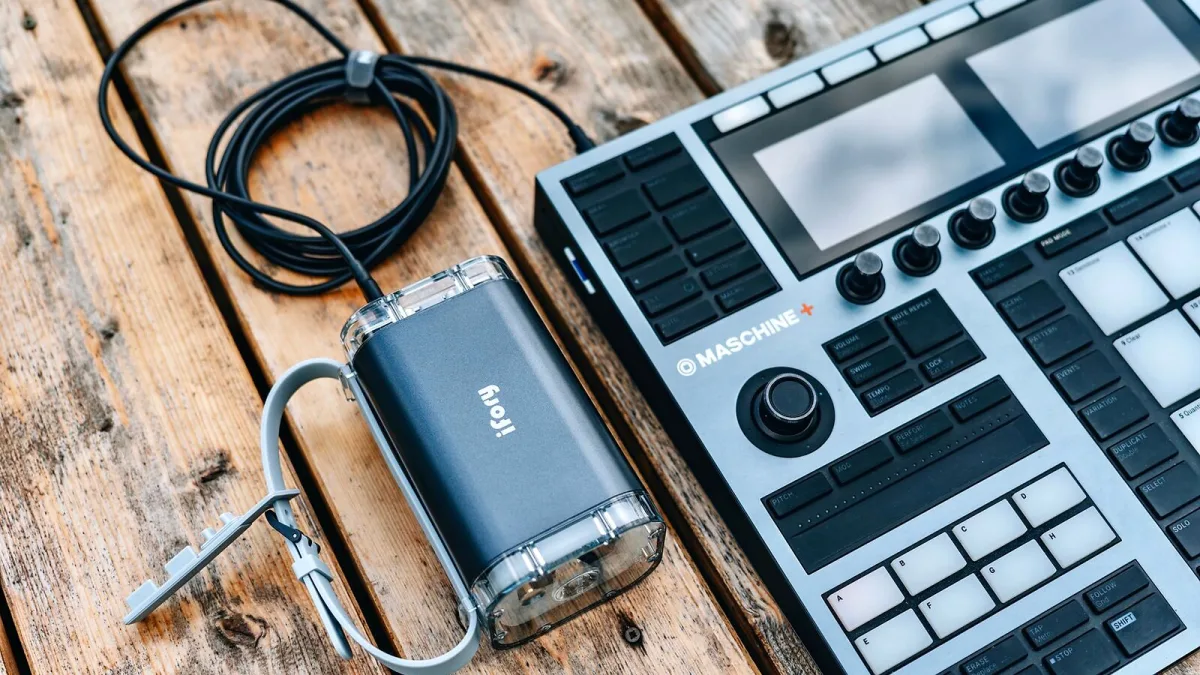
Right, so instead of chasing a single "best" headphone splitter — a genuinely daft idea, given how differently people actually use them — let's sort this by what you're actually trying to do. The right headphone splitter for a gaming setup is completely wrong for a recording session, so pick the category that matches your situation and you'll end up with the right kit first time, no returns needed.
For casual two-person listening: a basic passive splitter
If you and a mate want to share a film or a playlist from one phone, this is genuinely all you need. A simple 3.5 mm TRS splitter duplicates your stereo output across two headphone sockets, with no batteries, no setup and no fuss. Keep your expectations sensible: there's no independent volume, and you're both stuck with the same balance. Look for solid strain relief at the plug and decent shielding — that's where budget splitters most commonly fail, not in the actual sound.
Best for: sharing music or video from one device, minimal budget, zero setup faff.
Skip it if: either of you needs a microphone to keep working, or you want different volumes.
For gaming or calls with a headset mic: a TRRS breakout splitter
This is a completely different product from the one above, and it's the single most common source of "why doesn't my mic work" complaints. A TRRS headset splitter separates a combined 4-contact headset plug into individual headphone and microphone connections — that's the only type that keeps your microphone alive. Before buying, double-check whether your device uses CTIA or OMTP wiring; the wrong one and your mic simply won't register, no matter how well-built the splitter is.
Best for: desktop gaming rigs, laptop calls, streaming setups with a combined headset jack.
Skip it if: you're only listening, with no microphone involved — a standard stereo splitter is cheaper and simpler.
For multi-musician monitoring: a powered distribution amplifier
Once more than two people need to monitor at once — a band tracking together, a vocalist and a guitarist both needing headphones during a session — passive splitters stop being the right answer. A headphone distribution amplifier is a powered box that takes one source and gives every connected listener their own independently adjustable output. It costs more than a passive splitter, sometimes a lot more, but it's the only sensible route once anyone needs a different level from anyone else, or when you're running more than two or three pairs of headphones off one source.
Best for: recording sessions, rehearsal rooms, any setup needing separate volume for each listener.
Skip it if: you only ever need two people hearing the exact same mix.
For newer phones and laptops without a headphone jack: a USB-C or Lightning solution first
If your device has ditched the 3.5 mm socket entirely, you need to solve that problem before a splitter can even enter the conversation. Check whether the device still outputs analogue audio through USB-C or Lightning — if it does, a simple passive adapter down to 3.5 mm does the job, and a standard splitter plugs onto the end of that as normal. If the device only outputs digital audio, you need an active adapter containing its own digital-to-analogue converter. Buying a passive splitter alone won't fix a missing analogue signal upstream, however good the splitter itself is.
Best for: current-generation phones, USB-C laptops, anything that's dropped the headphone jack.
Skip it if: your device still has a proper 3.5 mm output — you don't need this extra step at all.
Choosing by budget, not just by type
| Priority | What to spend on | What to skip |
|---|---|---|
| Absolute minimum cost | A basic passive stereo splitter with decent strain relief | Gold-plated connectors — mostly marketing, not meaningful sound benefit |
| Gaming/streaming reliability | A TRRS splitter confirmed to match your CTIA/OMTP standard | A generic stereo splitter that can't carry a microphone at all |
| Recording quality | A proper powered distribution amplifier | Chaining several cheap passive splitters together to fake extra outputs |
The bottom line
There's no single best headphone splitter, because "best" depends entirely on what you're plugging into what, and whether a microphone or independent volume is part of the deal. Match the category above to your actual situation, and skip anything sold on connector bling rather than the wiring that genuinely matters. Buy the headphone splitter that fits your actual use case, not the one with the flashiest packaging. If you want the full rundown on connector types before you commit, our headphone splitter explainer covers TS, TRS and TRRS properly, and our complete buyer's guide walks through every check step by step.




Comments