


Rode Nt1 article
Rode Nt1 for Beginners: A Complete Guide
Your first proper microphone doesn't need to feel intimidating. Here's a calm, practical guide to getting started with the Rode NT1.
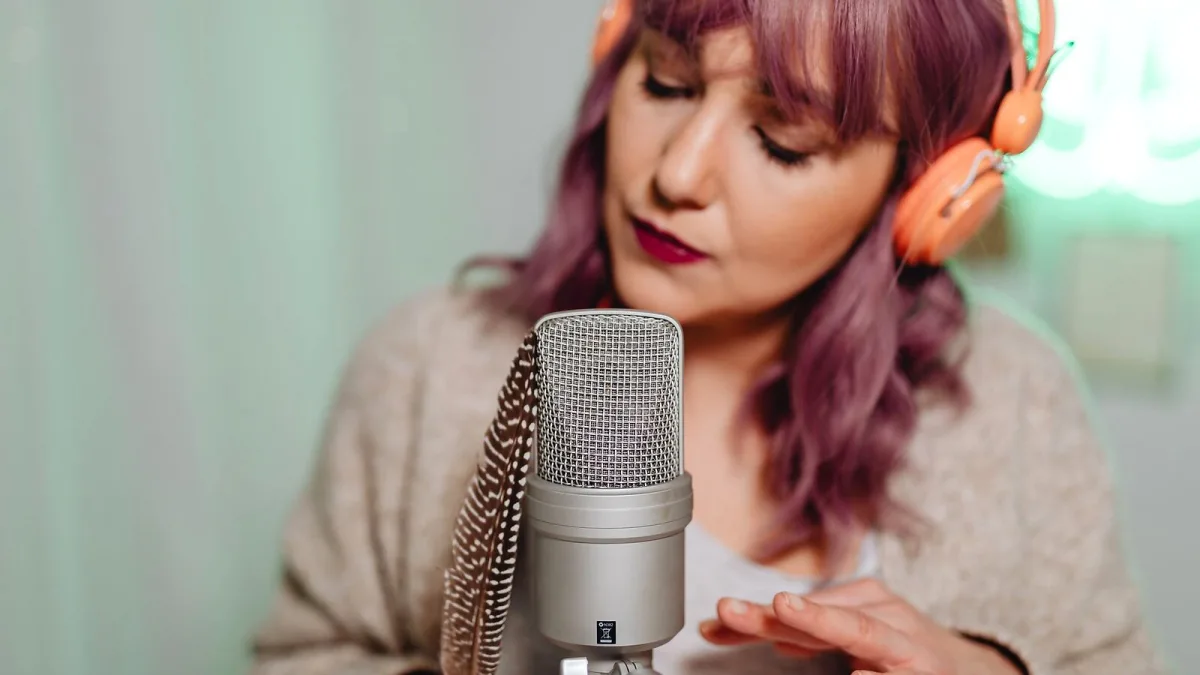
If you've just brought home your very first proper microphone and it happens to be a Rode NT1, take a breath — you've landed on a genuinely forgiving, well-regarded choice, and you don't need years of studio experience to get a good result from it. I've spent a long time helping nervous singers find their voice, and the same patience applies here. Let's take this slowly and sensibly.
You Don't Need to Be a Sound Engineer
The Rode NT1 has a reputation as a "proper" studio mic, which can make it feel intimidating if you're new to recording. In practice, it's straightforward. It's a condenser microphone, meaning it needs a small electrical charge — called phantom power — to work, sent to it through an XLR cable from an audio interface. If you've bought the NT1 5th Generation, you can skip all of that and simply plug it into your computer over USB instead, which is by far the gentlest way in for a first-timer.
Getting Set Up for Your First Session
Here's the simple version of getting from box to first recording:
- Unpack the mic and fit it into its shock mount (or the one included, if you bought the Signature Series), which cushions it from desk bumps and floor vibration.
- Attach a pop filter a few centimetres in front of the capsule, to soften sharp "p" and "b" sounds.
- If you're using XLR, connect it to your audio interface and switch on 48V phantom power. If you're on the USB 5th Generation, simply plug the cable into your computer.
- Open your recording software, select the NT1 as your input, and speak or sing normally while watching the input level.
- Record a short test clip and listen back before committing to a full take.
Which Rode NT1 Makes Sense for a Beginner?
If you don't yet own an audio interface, the NT1 5th Generation is the easier starting point, because its USB connection means one less thing to buy and one less thing to learn. If a friend or a course is lending you an interface, or you already have one, the standard NT1 is perfectly capable and slightly simpler in every other respect. Either way, you're not making a mistake — both will serve you well while you're learning.
Common Worries, Gently Answered
- "Is it too sensitive for a bedroom?" It will pick up more of your room than a cheap USB mic would, but that's detail, not a flaw. A folded duvet behind you or some soft furnishings nearby will calm down most small, echoey rooms.
- "Will I damage it if I get something wrong?" It's genuinely hard to break a condenser mic through normal use. Just avoid dropping it, keep it away from moisture, and don't shout directly into the capsule from an inch away.
- "Do I need expensive software?" No. Most free recording programs will happily work with the NT1 — the microphone is doing the hard work, not the software.
Getting a Good First Take
Sit or stand roughly twenty to thirty centimetres from the mic to begin with, angled very slightly off to one side rather than singing or speaking directly down the barrel — it softens harsh consonants without losing warmth. Keep your recording level generous but not peaking into the red, and don't worry if your first few attempts sound a little rough. That's normal, and it's exactly what test recordings are for.
If something sounds a bit boxy or distant, it's very often the room talking rather than a problem with your technique or the microphone. Try recording in a smaller, softer space if you have one — a wardrobe full of clothes with the door open, or a room with a rug and curtains, will usually sound noticeably cleaner than a bare-walled kitchen or hallway. It's a five-minute experiment, and it teaches you more about your space than any amount of reading.
Growing Into the Mic
One of the nicest things about starting with a Rode NT1 is that you won't outgrow it quickly. It's the same microphone plenty of experienced home recordists still reach for, so as your ear and your technique develop, the mic will simply keep up rather than holding you back. Once you're feeling more confident, our full Rode NT1 overview goes deeper into the specs and the wider family, and our common mistakes to avoid is a useful read once you've got a few sessions under your belt. If you're still deciding which model to buy, see the buyer's guide and which NT1 offers the best value.




Comments