


Rode Nt1 article
Everything You Need to Know About Rode Nt1
The Rode NT1 has quietly stayed a home-studio staple for years. Here's what it actually is, how the current models differ, and where each one earns its keep.
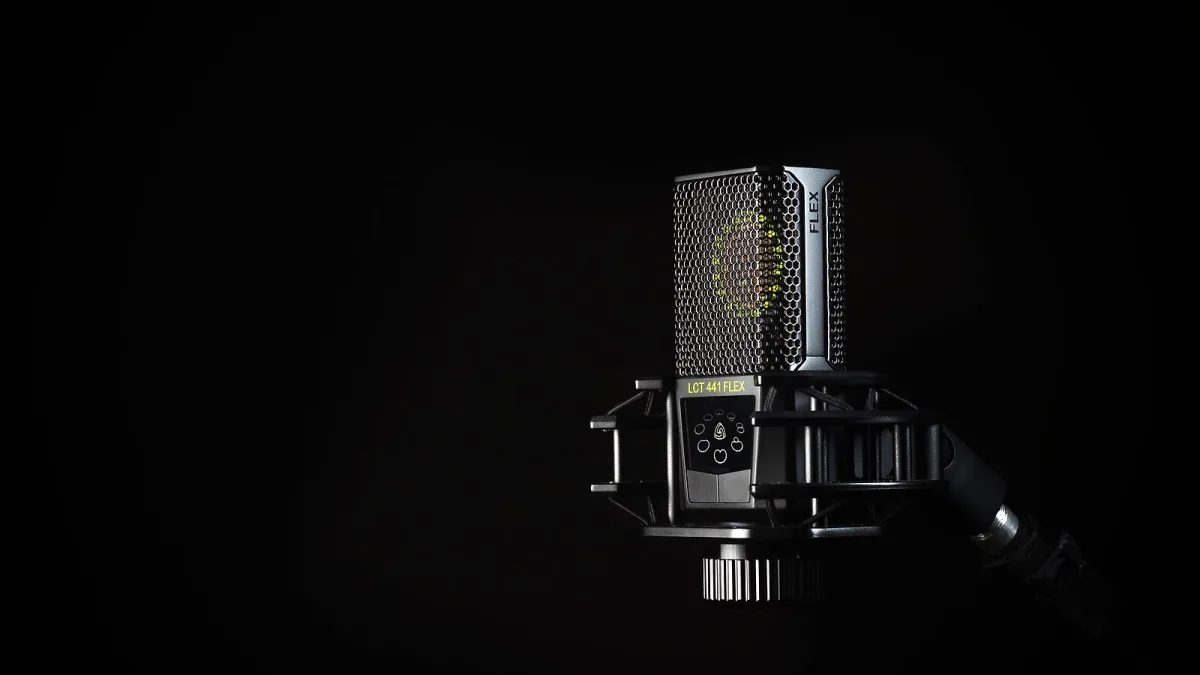
Ask anyone who's spent a decade dragging gear between bedroom studios and rehearsal spaces, and the Rode NT1 will come up sooner or later. It's one of those microphones that's been quietly present in the background of home recording for years — not flashy, not fashionable, just reliably good at the one job it's built for. This guide explains what the Rode NT1 actually is, how the current family of models differs, and where each one earns its keep.
What Exactly Is the Rode NT1?
The Rode NT1 is a large-diaphragm condenser microphone, which is a fancy way of saying it uses a wide, thin, electrically charged capsule to pick up sound in fine detail. It's a cardioid mic, meaning it hears best directly in front of itself and rejects most of what's happening behind it — handy in a small room where you don't want the mic soaking up every reflection off the wardrobe door. It needs phantom power (48V, sent up the XLR cable from an interface or mixer) to work at all, which is standard for condensers but worth knowing if you've only ever used a dynamic mic before.
Meet the NT1 Family
Here's where it gets slightly confusing, because "Rode NT1" doesn't mean one single product any more. There are three current versions, and knowing which is which matters before you go shopping.
| Model | Connection | Self-noise | Max SPL | Extras |
|---|---|---|---|---|
| NT1 (current) | XLR only | 4.5 dB(A) | 132 dB | None |
| NT1 5th Generation | XLR + USB-C | ~4 dB(A) | 142 dB | 32-bit float, onboard DSP |
| NT1 Signature Series | XLR only | ~4 dB(A) | 142 dB | HF6 capsule, SM6 shock mount included |
All three share the same basic DNA — a one-inch cardioid capsule built for low noise — but the 5th Generation and Signature use a newer capsule (Rode calls it the HF6) that pushes the maximum SPL and trims the self-noise a touch further.
Key Specs, Explained Properly
Spec sheets love throwing numbers at you without saying why they matter, so here's the short version.
- Self-noise is the hiss the microphone itself generates, measured in dB(A). Lower is quieter. At 4–4.5 dB(A), every model in the range is genuinely among the quietest mics you'll find at this sort of price, which matters most on hushed vocals or classical instruments.
- Maximum SPL is the loudest sound pressure the mic can handle before it distorts. 132–142 dB covers everything from a whispered voiceover to a cranked guitar amp.
- Frequency response of 20Hz–20kHz is essentially the full range of human hearing — it tells you the mic doesn't artificially chop off any part of the audible spectrum, though it says nothing about tonal character on its own.
XLR or USB: Two Ways In
The standard NT1 and the Signature Series are XLR-only, so you'll need an audio interface or mixer with phantom power to run one. The 5th Generation adds a USB-C output alongside its XLR socket — Rode calls this Dual Connect — so you can plug it straight into a laptop with no interface at all, and still switch to XLR later if you build up a proper studio chain. It also records in 32-bit float over USB, which gives you a huge amount of headroom against clipping. That's genuinely useful for unpredictable sources, though it's not magic: a badly placed mic or a distorting preamp will still sound bad, just with more digital room to fix it afterwards.
Where You'll Actually Use One
Cardioid large-diaphragm condensers like this one are the default choice for a huge range of home and project-studio work:
- Lead vocals, where the low self-noise lets quiet passages breathe without hiss creeping in
- Podcasting and voice-over, especially the USB-equipped 5th Generation for creators without an interface
- Acoustic guitar, picked up around the twelfth fret for a balanced tone
- Home-studio overdubs of pretty much any acoustic instrument, from a solo violin part to a layered backing vocal
It's worth adding a word on the room itself, since that matters as much as the microphone. A cardioid pattern rejects sound arriving from the rear, but a large-diaphragm capsule is sensitive enough to still register reflections bouncing off nearby hard surfaces. A little soft furnishing, a rug, or simply angling the mic away from a bare wall makes a genuine difference to the finished recording, often more than any setting on the mic itself.
It's less suited to anything genuinely loud and close-miked at extreme volume, or to situations where you need to reject sound from several directions at once — that's a job for an omni or figure-8 pattern mic instead. It's also not designed to be handheld; it's a studio tool, meant to sit on a stand or boom arm rather than be carried around a stage.A Short History Lesson
The name has been on Rode's books since the early 1990s, and the company has leaned on the same idea through every generation since: a genuinely quiet studio condenser at a price a working musician could actually afford. That's not a small thing — before affordable large-diaphragm condensers became common, a mic this quiet usually meant a much higher price tag, often putting it out of reach for anyone recording at home rather than in a commercial studio.
The current line-up, with its analogue model, the digitally equipped 5th Generation, and the more traditional Signature Series, reflects a straightforward split: buy the plain XLR version if that's all you need, or step up for USB flexibility and onboard processing if it'll actually get used. There's also an older NT1-A model still circulating on the secondhand market and covered separately, which predates the current HF6-capsule versions and carries its own distinct specification — worth knowing if you come across one while shopping, so you don't assume it matches the current range spec for spec.
The Bottom Line
The Rode NT1 has stayed relevant for so long because it does one thing — quiet, detailed cardioid recording — consistently well, across three models that suit slightly different workflows. If you're weighing up which one to actually buy, our Rode NT1 buyer's guide walks through the decision properly, and if this is your very first condenser mic, our beginner's guide is a gentler starting point. Worth a look too: which NT1 gives the best value for money, and the common mistakes owners make once they've got one home.




Comments