


Microphone Stand article
Microphone Stand Explained: Features, Types and Tips
What a microphone stand actually does, the main types available, and the specs worth checking before you buy one.
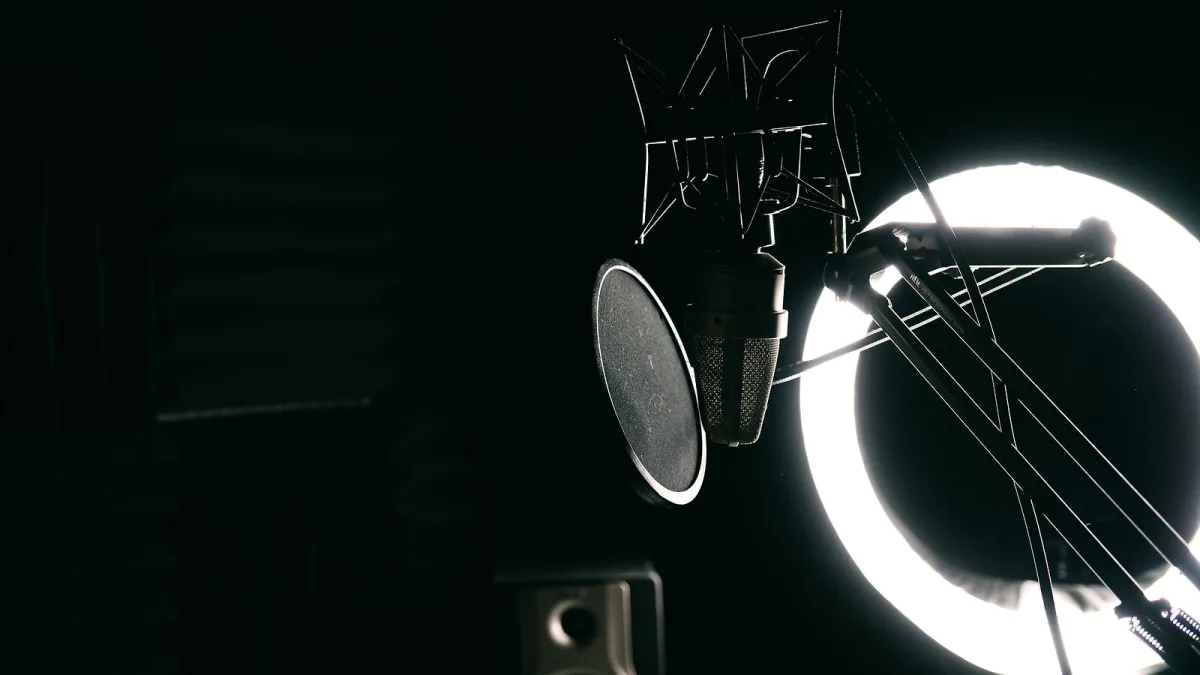
Nobody gets excited about a microphone stand the way they get excited about a new mic or a shiny preamp, but honestly, it's doing more work than it gets credit for. A good one holds your capsule exactly where you put it, keeps handling noise out of your recordings, and stops an expensive microphone ending up on the floor. Let's dig into the types, the specs and the bits worth actually caring about.
What a Microphone Stand Is Really For
At its simplest, a microphone stand is an adjustable support that holds a mic at a stable height and angle. That sounds obvious, but "stable" is doing a lot of heavy lifting in that sentence — a wobbly, poorly balanced stand introduces movement, mechanical noise and, worst case, a genuine safety hazard if it tips.
The Main Types, and What Each One's Actually For
| Type | Best for |
|---|---|
| Straight stand | Stage vocals, speech, simple studio setups |
| Tripod stand | Touring and general live use — folds down for transport |
| Round-base stand | Crowded stages where legs would get in the way |
| Boom stand | Vocals, guitar amps, drums, overheads — anywhere the base can't sit directly under the mic |
| Low-profile stand | Kick drums, guitar cabinets, seated instruments |
| Desktop stand | Podcasting, streaming, voice-over |
| Desk-mounted arm | Broadcast and podcast setups, keeps the desk itself clear |
A boom, if the term's new to you, is simply the angled or horizontal arm that lets the microphone reach out and away from the vertical shaft — genuinely the single most useful feature once you need to mic something you can't stand directly over.
The Specs That Actually Matter
- Height range: check both ends — a stand built for a seated instrument won't necessarily reach a standing vocalist.
- Boom length: more reach is handy, but a longer boom also means more leverage pulling the stand off balance.
- Base type and mass: a heavy round base can be rock-solid in a small footprint; tripod legs trade some stability for a broader stance and easier packing.
- Load capacity: this needs to include the microphone, shock mount, pop filter and cable weight together, not just the mic on its own.
- Clutch quality: the locking mechanism should hold firmly without needing to be cranked shut — a slipping clutch is both annoying and genuinely unsafe.
- Thread standard: most stands use a 5/8-inch, 27 threads-per-inch fitting, though 3/8-inch turns up too, so check what your microphone clip or shock mount actually needs.
Choosing by What You're Actually Recording
A standing vocalist at a fixed spot rarely needs more than a straight or round-base stand. A studio vocalist using a shock mount and pop filter usually wants a heavier boom stand with smooth, reliable height adjustment. Guitar amps and kick drums suit a short, low-profile boom, while a podcaster is often best served by a compact desktop stand or desk arm. If you're weighing all this up against a budget, our buyer's guide to microphone stands goes through it properly.
The Safety Basics Worth Knowing Early
Two habits prevent most stand accidents: place a tripod leg directly beneath an extended boom for balance, and loosen the clutch fully before repositioning rather than forcing a locked joint. Overtightening damages threads and clutches over time, and it won't actually make the stand safer. There's a full rundown of what catches people out in our guide to common microphone stand mistakes.
The Bottom Line
A microphone stand won't change how your microphone sounds the way a different capsule or preamp might, but a stable, well-chosen one absolutely affects how consistent and clean your recordings actually turn out. Match the type to the job, check the load capacity honestly, and the rest tends to fall into place. New to all this? Our beginner's guide is a friendlier starting point, and our round-up of the best stands is there once you know roughly what you need.





Comments