


Microphone Stand article
Common Microphone Stand Mistakes to Avoid
The honest list of mistakes most people make with a microphone stand at least once, and the simple habits that fix them.
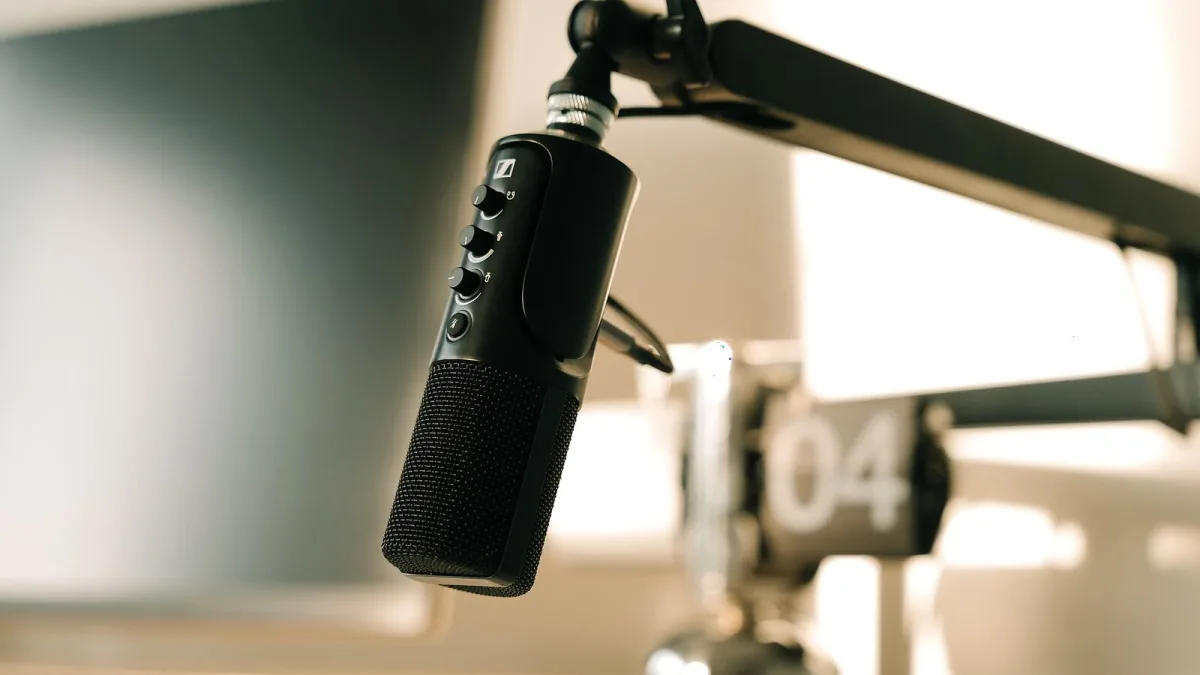
I've made a couple of these myself, so this isn't me looking down at anyone — it's the list I wish someone had handed me early on. None of them are complicated once you know they're coming, but they catch a huge number of people setting up a microphone for the first few times.
Overtightening the Clutch
It feels sensible to crank the locking collar on a microphone stand as tight as it'll go, but this actually damages the threads and the clutch mechanism over time, and it doesn't make the stand meaningfully safer. A firm, confident tighten holds a properly balanced setup just fine.
Not Putting a Leg Under the Boom
Extend a boom without a tripod leg positioned roughly underneath it, and you've built a lever arm with nothing counteracting the weight. This is one of the single most common causes of a microphone stand tipping over, and it's genuinely a thirty-second fix once you know to check for it.
Forgetting What's Actually Hanging Off the Boom
People plan for the microphone's weight and forget everything else attached to it — the shock mount, the pop filter, the cable pulling at an angle. All of that needs to sit comfortably within the stand's load capacity, not just the mic on its own, or you'll end up with drift, sag, or a boom that slowly droops through a session.
Assuming Every Thread Is the Same Size
Most microphone stands use a 5/8-inch thread, but some microphone clips and shock mounts use 3/8-inch instead. Forcing a mismatched thread, rather than reaching for a small adapter, risks damaging both the stand and the clip.
Coiling Cable Tightly Around the Stand
It looks tidy, but wrapping cable in tight turns around the shaft of a microphone stand puts ongoing twisting pressure on it, which shortens its life. A loose loop or two is enough to keep things under control without stressing the cable.
Standing on the Tripod Legs
It happens more than you'd think, usually reaching for something just out of arm's length — and it's a quick way to bend or crack a leg that's really not designed to take that kind of load.
Buying Based on Looks Rather Than the Actual Job
A sleek, minimal stand might look great in photos, but if it can't take the weight of your microphone and shock mount together, or doesn't reach the height you actually need, it's the wrong purchase regardless of appearance. If you'd like a proper walkthrough of what to check instead, our buyer's guide to microphone stands covers exactly that.
Never Checking It Before a Performance
Knobs, threads, feet and hinges are all worth a quick glance before you rely on a stand in front of an audience or during a session. Catching a loose joint at soundcheck is a minor inconvenience; catching it mid-performance is not. New to all this and want the fuller picture first? Our full explainer and our beginner's guide are both worth reading, and our round-up of the best stands is there if you're considering an upgrade.
The Bottom Line
Nearly every microphone stand mistake on this list comes down to rushing the setup or underestimating the load — slow down, check the balance, and don't force anything that's resisting you, and you'll sidestep almost all of it. A little patience is really all a microphone stand ever asks of you.





Comments