


Field Recorder article
Field Recorder for Beginners: A Complete Guide
Getting your first field recording session right means understanding a handful of things that aren't complicated once you know them. Here's what actually matters.
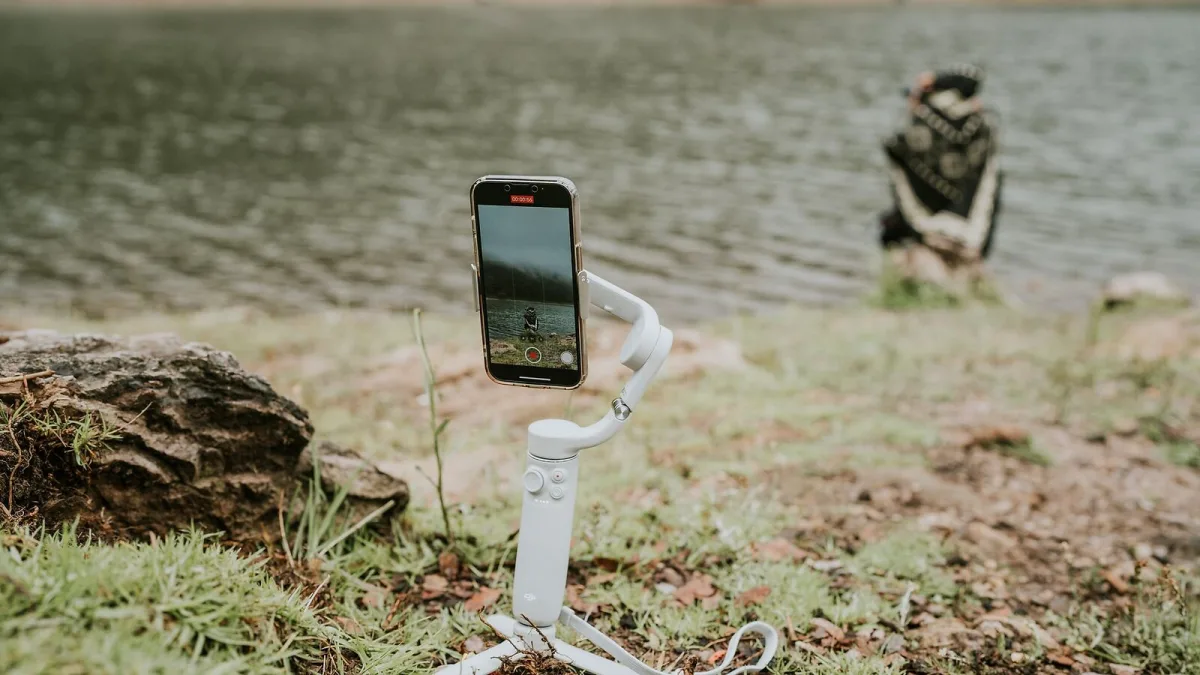
When you first pick up a field recorder, the learning curve is shorter than with most music equipment, but there are a few genuinely important things to understand before you start recording. Getting them right from the beginning means your first recordings are actually usable.
Understanding Gain
Gain — the input level you set before recording — is the first thing to get right. Set it too low and your recording will be quiet and noisy when you boost it in editing. Set it too high and loud sounds will clip, which means distortion you can't fix. Before you record anything important, do a test run with the gain set to a moderate level, listen back through headphones, and adjust until the meter peaks around -12 dBFS during the loudest moments. That gives you enough headroom for unexpected loud sounds without leaving so much space that quiet sounds disappear in the noise floor.
Recording Format: Choose 24-Bit WAV
Most field recorders offer both WAV and MP3 formats, and sometimes both 16-bit and 24-bit depths. For any recording you plan to use, edit or archive seriously, record in 24-bit WAV. It's a larger file, but the extra bit depth gives you meaningful flexibility in post-processing: you can push the level up or apply effects without the kind of degradation that becomes obvious in 16-bit recordings that were set too quietly. MP3 and 16-bit are fine for quick reference recordings; use the full format for anything you care about.
Wind Is Your Enemy
Outdoors, wind is the single most common problem for field recording beginners. Even a light breeze creates low-frequency rumble that overwhelms everything you're trying to capture. The built-in foam windshields on most recorders reduce mild wind, but for anything beyond a very calm day you need either a dead-cat windshield (the fluffy one) or a blimp-style enclosure with an inner suspension. Buy the appropriate windshield for your device before you go out in anything other than completely still conditions.
Monitor While You Record
Plug headphones into your field recorder and listen while you record. This sounds obvious but a lot of beginners skip it, and the result is recordings that seem perfect until you listen back and hear unwanted handling noise, interference from nearby electronics, or a buzz you'd have heard immediately with headphones on. Real-time monitoring is the fastest way to catch problems before they ruin a session.
Placement Matters More Than Equipment
The position of the recorder matters more than its technical specifications, especially for a beginner. A mid-range field recorder placed close to the sound source will produce better results than a professional unit placed badly. For interviews, place the device close to the speaker's mouth — typically 15–30 cm away, angled slightly to one side. For ambient recording, spend time finding a position where the sound you want is prominent and the sounds you don't want are in the background or outside the microphone's coverage angle.
File Management From the Start
Create a folder structure on your SD card or computer before you start recording seriously, and name your files as you go rather than leaving them all as generic "REC001" entries. Hunting through a hundred unnamed files for the one you need is a genuinely avoidable irritation. Use a naming convention that makes sense to you — date, subject, take number — and stick to it from the beginning.
Practise With Low Stakes First
The best preparation for any important field recording session is doing low-stakes sessions first. Record in your garden, in a quiet room, on a walk. Learn what your device sounds like in different conditions, how the gain controls respond, where your SD card fills up, how the battery behaves in cold weather. When you arrive at a situation where the recording actually matters, you want to be thinking about the sound, not the device.
For a full overview of the field recorder as a category, the complete guide covers the history and main types. When you're ready to think about buying a better device, the buyer's guide compares the main options. And for the mistakes that catch beginners out most often, the mistakes guide is worth reading before your next session.




Comments