


Field Recorder article
Common Field Recorder Mistakes to Avoid
Seven mistakes that spoil field recordings before you've even started editing, and the straightforward fixes for each one.
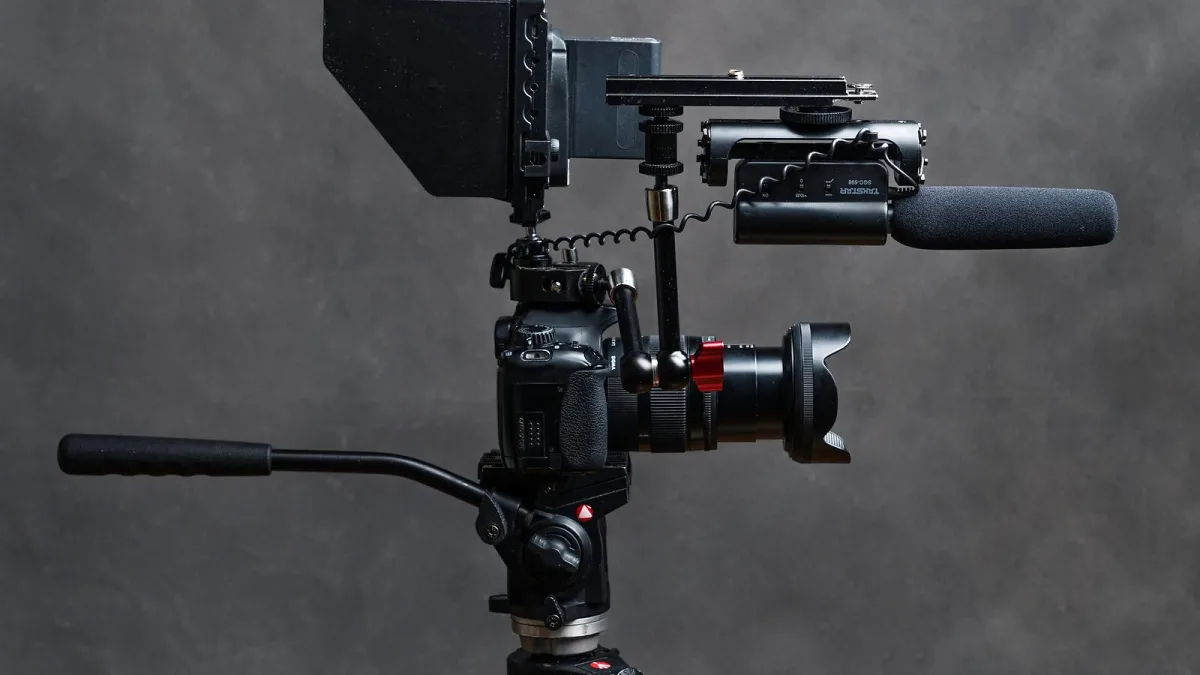
The mistakes people make with a field recorder tend to cluster around the same handful of issues, and almost all of them are avoidable with a small amount of preparation. Here are the ones that come up most often and what actually fixes each one.
Mistake One: Setting Gain Incorrectly
Too high and you get clipping — the brutal digital distortion that sounds nothing like tape saturation and can't be repaired in post. Too low and the recording is quiet and full of noise when you try to boost it. The fix is simple and tedious: do a test recording at the actual location before you start your session, check the meters, and adjust until peaks are around -12 to -18 dBFS during the loudest moments. Then leave it there. Constantly adjusting gain during a recording creates level bumps that are as noticeable as the mistakes you were trying to avoid.
Mistake Two: Ignoring Wind
The foam windshield that came in the box with your field recorder is not sufficient for outdoor recording in anything other than completely still conditions. A light breeze creates a low-frequency rumble that obscures everything you're trying to capture. A dead-cat windshield (the furry one) handles light to moderate wind well. For proper outdoor work in variable conditions, a blimp-style suspension enclosure is the right tool. Buy the appropriate windshield before you go out, not after your first ruined recording.
Mistake Three: Not Monitoring in Real Time
Recording without headphones plugged in is how you end up back at your desk with a session full of otherwise-excellent recordings that are ruined by electrical interference, handling noise or a hum you never heard during the session. Monitoring in real time through headphones is the only reliable way to know what your recordings actually sound like while you're making them. It's not optional, even when the headphones feel like a nuisance.
Mistake Four: Recording in the Wrong Format
MP3 and low bit-depth settings are tempting because they produce smaller files, but they create problems if you need to edit, process or archive the material seriously. Record in 24-bit WAV for anything that matters. The files are larger, but storage is cheap and editing flexibility is not something you can add back later once the recording is made.
Mistake Five: Poor Placement
Distance and angle matter far more than most beginners realise. Place the device too far from the sound source and you record more room than subject — a common field recorder placement error. Place it at the wrong angle and you lose the sweet spot of the stereo microphones. For interviews, 15–30 cm from the speaker's mouth is the practical starting point. For environment and nature recording, take time to find the position where what you want is prominent and everything else recedes.
Mistake Six: Running Out of Battery or Storage
Both are avoidable and both feel absolutely pointless when they happen. Check battery level before every session and carry spare batteries — ideally AA batteries in a device that supports them, since you can buy replacements anywhere. Format your SD card before each session and carry a spare. There is no technical skill involved in either of these preparations; they're just habits that protect every other effort you put in.
Mistake Seven: Not Slating Your Recordings
Speaking a brief identification at the start of each recording — location, take number, a note on what you're capturing — takes ten seconds and saves a disproportionate amount of time during editing. Finding the right clip among seventy unnamed files is slower and less reliable than finding the one you marked clearly. This matters more once you're making regular use of a field recorder and building a library of material, but it's worth building the habit from the start.
For a thorough introduction to portable recording including device types and specifications, the complete guide covers the foundations. If you're buying for the first time, the buyer's guide compares the main options at every price point. And for the practical fundamentals of getting your first recordings right, the beginner's guide is the place to start.




Comments