


Field Recorder article
Field Recorder: A Complete Guide
A field recorder captures professional-quality audio anywhere sound actually is. Here's how the category works, what the main types do, and where it all came from.
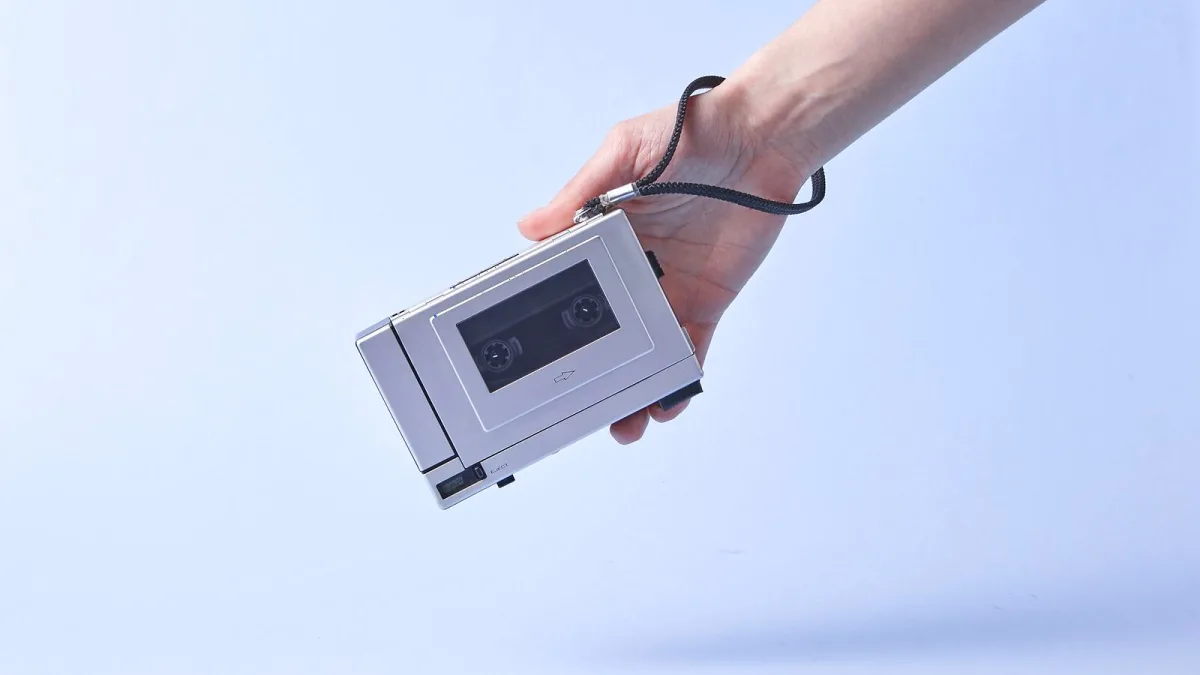
A field recorder is a portable audio recording device designed to capture sound outside the studio — in natural environments, urban spaces, vehicles, interiors, and anywhere else you can't or wouldn't take conventional studio equipment. The category covers a wide range of devices, from compact handheld units used by podcasters and journalists to high-specification stereo and multitrack recorders used by professional sound designers and documentary makers. What they share is the capacity to capture clean, uncompressed audio wherever the sound actually is.
What a Field Recorder Actually Does
At its core, a field recorder does one thing: it converts acoustic sound into a digital audio file, independently of any computer, DAW or studio infrastructure. The better ones do this to a standard that genuinely competes with studio recording — 24-bit depth, sample rates from 44.1 kHz to 192 kHz, built-in microphones capable of capturing a wide stereo image, and XLR inputs for attaching external microphones when the task demands it. The portability is the obvious selling point, but the quality ceiling of modern portable recording has risen considerably over the past decade.
The Main Types
Handheld stereo recorders are the most common and accessible type: a compact device with built-in microphones, typically in an XY or AB configuration, that records directly to a removable SD card. The Zoom H-series and Tascam DR-series are the standard references here. They're light, inexpensive, and capable of high-quality stereo recordings without any additional equipment.
Multitrack field recorders add more simultaneous recording channels — typically four, six or eight — with multiple XLR inputs for separate microphones or instrument signals. They're used when the situation demands capturing distinct sources separately: dialogue and room tone simultaneously, or a small ensemble where each instrument needs its own track.
Dedicated professional units like the Sound Devices MixPre series and the Zoom F-series sit at the top of the market, offering broadcast-quality preamps, larger gain range, and the kind of rugged construction needed for demanding documentary and film work. They're meaningfully more expensive than consumer handhelds, but the difference in preamp quality and low-noise performance is audible.
What to Record With One
The range of applications for a field recorder is broader than most beginners expect. Nature recordists use them to capture wildlife, weather and landscape ambiences. Journalists and broadcasters use them for interviews and on-location reporting. Podcasters use them for remote recordings that need to match studio quality. Sound designers for film and games use them to build libraries of environmental sounds, Foley effects and acoustic textures. Musicians use them for location recording, live documentation, and capturing accidental sounds that become sample material. The device is agnostic about what you do with it.
Key Specifications to Understand
| Specification | What it means |
|---|---|
| Bit depth (24-bit) | Wider dynamic range and more headroom for post-processing |
| Sample rate (up to 192 kHz) | Higher resolution, often needed for sound design work |
| Self-noise (EIN) | How much noise the preamp adds; lower is better |
| XLR inputs | Allows connection of professional microphones |
| Phantom power | Powers condenser microphones via XLR; essential for many mics |
| Limiter | Protects against unexpected loud sounds clipping the recording |
Where This Kind of Recording Came From
This recording tradition runs through the portable tape machines of the mid-twentieth century — the Nagra, which became the industry standard for film location sound from the 1950s onward, and the various portable reel-to-reel machines that preceded it. What digital technology brought to the format was a dramatic reduction in weight and cost alongside an equally dramatic improvement in recording quality. The Zoom H4 (2006) is often cited as the device that democratised the category: a handheld stereo recorder with XLR inputs, available at a price that made serious location recording accessible to anyone who wanted to do it.
For practical guidance on which field recorder suits which budget and use case, the buyer's guide covers the market in detail. If you're just starting out and want to understand the basics before buying, the beginner's guide is the right starting point. And if you want to avoid the most common mistakes, the mistakes guide is worth reading first.




Comments