


Violin Lessons article
Common Violin Lessons Mistakes to Avoid
Most early struggles with the violin have nothing to do with talent. Here are the habits that quietly work against students, and how to fix each one.
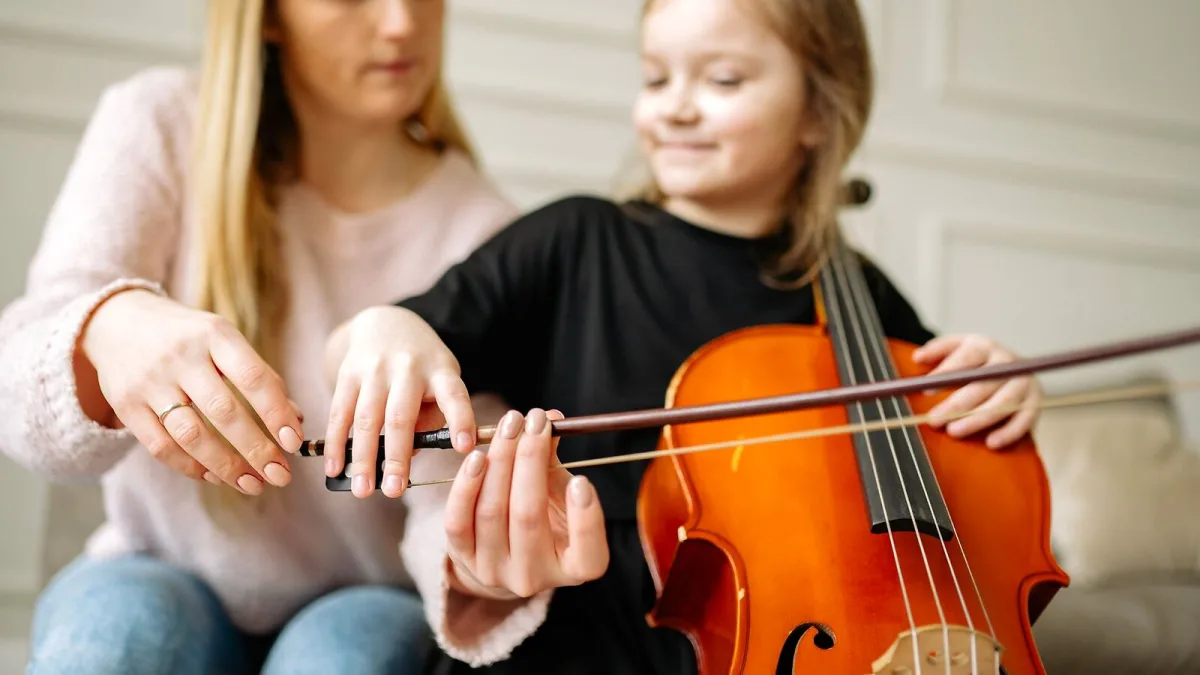
Most early struggles with the violin have nothing to do with talent. They come from a handful of small, easily fixed habits that quietly work against a student for months before anyone notices. Here are the mistakes that come up again and again in violin lessons, and what to do instead.
Some of these come from the student, some from a rushed or mismatched setup, and a few slip in simply because nobody mentioned them early enough. None of them are difficult to fix once you know what to look for.
Practising on a Poorly Set-Up Instrument
A violin with a badly fitted bridge, sticking pegs or strings sitting too high above the fingerboard makes everything harder than it needs to be: intonation suffers, tone stays thin, and simple exercises become a fight with the equipment rather than the music. Before blaming yourself for a scratchy sound, have a teacher or specialist check the setup. A correctly fitted instrument, even a modest one, will always serve a beginner better than an expensive violin that has never been properly adjusted.
Gripping the Bow and Raising the Shoulder
Tension is the single most common thread running through early technical problems. A tightly squeezed bow hold and a raised, locked shoulder both produce a harsh, uneven tone, and both are exhausting to sustain for any length of time. The fix is almost always the same: slow down, drop the shoulder, and let the bow arm move freely from a relaxed hand rather than a clenched fist.
Relying on Finger Tape Indefinitely
Tape markers on the fingerboard are a reasonable short-term aid for early intonation, but left in place too long they become a crutch instead of a stepping stone. Students who lean on tape rather than their ear often struggle badly once it comes off. Ear training should start early, alongside the tape, not after it is removed.
Practising in Rare, Long Sessions
An hour once a week does far less for a beginner than fifteen to thirty minutes spread across most days. Long, infrequent sessions tire the muscles, dull concentration, and make it easy to practise a mistake into place rather than out of it. Short, regular sessions build the physical habits that actually stick.
Ignoring Pain or Persistent Discomfort
Some fatigue after a new physical activity is normal; ongoing pain, numbness or sharp discomfort is not, and it should never be treated as a sign of dedication. Persistent pain is a signal to stop, review the setup and posture with a teacher, and see a medical professional if it continues. Pushing through it tends to build the very tension that causes bigger problems later.
Choosing a Teacher Without Discussing Goals
A purely classical curriculum will frustrate a student who really wants to play Irish fiddle tunes or jam in a folk session, and the reverse is just as true. Talk through your actual goals with a prospective teacher before committing to lessons, rather than assuming every good violin teacher will automatically build towards what you want.
Skipping the Listening Half of Learning
It is tempting to treat violin lessons as a purely physical skill — finger placement, bow arm, posture — and forget the ear entirely. But intonation is fundamentally a listening skill. Students who only watch their fingers, rather than actively listening to the pitch they are producing, tend to plateau earlier than those who train their ear alongside their hands.
Never Recording or Reviewing Practice
Problems that feel invisible while you are playing are often obvious the moment you hear them played back. A short recording, even on a phone, regularly reveals timing slips, scratchy bow changes or flat notes that go unnoticed in the moment. Reviewing practice this way turns vague frustration into a specific, fixable target.
| Mistake | What to do instead |
|---|---|
| Poor instrument setup | Have it checked by a specialist before blaming your technique |
| Tight bow grip, raised shoulder | Slow down and rebuild from a relaxed hand and dropped shoulder |
| Permanent finger tape | Use it briefly, alongside real ear training, not instead of it |
| Rare, long practice sessions | Short, focused sessions most days of the week |
| Ignoring pain | Stop, review setup and posture, seek medical advice if it continues |
| No stated goals with a teacher | Discuss classical, folk, jazz or other goals before starting |
Why These Habits Take Hold So Easily
Most of these mistakes share a common root: they feel harmless in the short term. A tight bow grip does not hurt on day one. A missed week of practice does not undo a month of progress by itself. A poorly set-up violin still technically makes a sound. It is only over weeks of violin lessons, repeated without correction, that small habits calcify into real technical limits — which is exactly why catching them early matters so much more than talent ever does.
None of these mistakes reflect a lack of aptitude — they are simply habits that are easy to fall into and just as easy to correct once you know to look for them. For the fundamentals these habits sit on top of, our ultimate guide to violin lessons covers choosing a teacher, setting up an instrument properly, and building a practice routine from scratch.




Comments