


Trinity Music Exams article
The Ultimate Guide to Trinity Music Exams
Trinity music exams offer a structured path from beginners to advanced performers, with graded exams in Classical & Jazz, Rock & Pop and Theory — available face-to-face or by digital video submission.
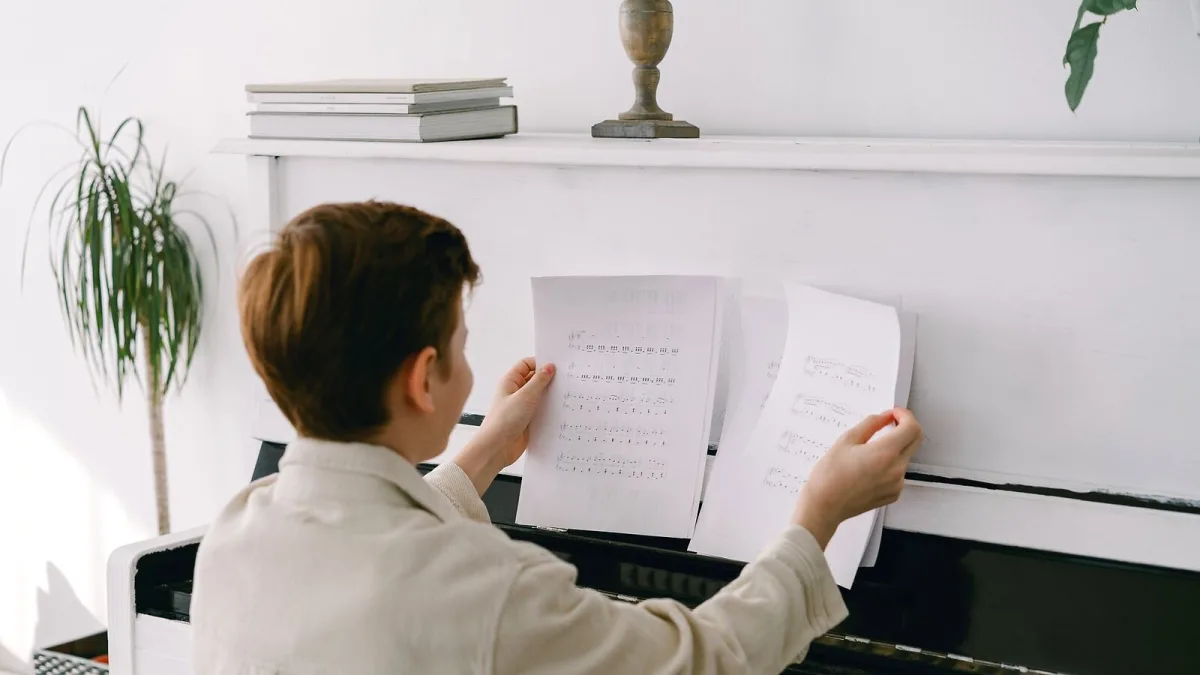
Trinity music exams are among the most respected pathways for musicians at every stage, from a child taking their first formal assessment to an experienced performer pursuing a professional diploma. If you are trying to understand how the system works — what the grades mean, how exams are structured, what formats are available, and what you will actually need to do — this guide covers the essentials in one place.
What Are Trinity Music Exams?
Trinity College London is an international awarding organisation that offers practical music qualifications across a wide range of instruments and musical styles. Its graded exam portfolio covers Classical & Jazz, Rock & Pop, and Theory of Music, with assessments running from Initial level through Grades 1–8 and on to professional performance diplomas.
The instruments available include piano, singing, brass, electronic keyboard, organ, classical and acoustic guitar, drum kit and percussion, strings, and woodwind. This breadth means that most musicians — whatever their instrument — can find a structured qualification pathway through Trinity College London.
Grades and Levels: Understanding the Structure
Trinity music exams are organised as follows:
- Initial — the entry level, designed for very early-stage learners with no prerequisites.
- Grades 1–8 — progressive assessments across eight difficulty levels, each building on the previous.
- Performance diplomas — post-Grade 8 qualifications including ATCL (Associate), LTCL (Licentiate) and FTCL (Fellow), representing increasing levels of professional-grade performance.
- Certificate exams — at Foundation, Intermediate and Advanced levels, available for solo performers or groups.
Grades 1–8 provide a practical ladder of progression that many students and teachers use to chart advancement over several years. Grade 8 is widely recognised as a significant milestone, though it is worth understanding that a Grade 8 certificate demonstrates thorough graded examination attainment at that level, not professional performance readiness.
Exam Formats: Face-to-Face and Digital
One of Trinity’s most significant practical distinctions is the choice between face-to-face and digital assessment.
Face-to-Face Exams
The traditional format takes place live in the presence of a Trinity examiner. A standard face-to-face Classical & Jazz graded exam comprises:
- Three pieces or songs from the approved syllabus repertoire lists.
- Technical work (scales, arpeggios or exercises specific to the instrument and grade).
- Two supporting tests, such as sight-reading, aural tests or musicianship tasks.
The entire exam is marked out of 100.
Digital Exams
For those who prefer video submission over a live sitting, Trinity offers digital exams for many of its Classical & Jazz grades. Candidates in the UK receive an upload link roughly one to two days after booking and have four weeks to submit their recorded performance.
There are two digital pathways:
| Pathway | Components | Mark split |
|---|---|---|
| Technical Work | Three pieces, technical work, overall-performance assessment | 66 + 14 + 20 = 100 |
| Repertoire-only | Four pieces (five for Singing Grades 6–8) | All marks from repertoire |
The Technical Work pathway closely mirrors the face-to-face structure in its inclusion of scales and technical exercises, while the Repertoire-only pathway is entirely performance-focused. Both are assessed against the same attainment bands.
Attainment Bands: What the Marks Mean
All Trinity music exams that are marked out of 100 use the following published attainment bands:
- 87–100: Distinction
- 75–86: Merit
- 60–74: Pass
- Below 60: Below the pass threshold
A Pass confirms that the candidate has met the standard for the grade. Merit and Distinction indicate performance above that standard. Achieving a Distinction at Grade 8 reflects a high level of musical attainment, though the mark is awarded against the published criteria for that grade rather than against professional benchmarks.
Rock & Pop Exams
Trinity Rock & Pop is a separate contemporary performance route within the broader Trinity College London portfolio. It covers modern instruments and vocal styles, with syllabuses reflecting current performance practice rather than classical conventions. Rock & Pop exams also progress through Initial and Grades 1–8, and include performance diplomas at advanced levels. This route is particularly relevant to self-taught musicians and those coming from contemporary backgrounds who want a formal qualification that reflects their actual repertoire.
Theory of Music
Trinity’s Theory of Music assessments are available as paper-based or on-demand digital exams. In the UK and Ireland, digital theory became the primary route after May 2025 according to Trinity’s current information. Theory exams complement practical assessments and provide formal recognition of music-reading and written musicianship skills.
Choosing the Right Format
The decision between face-to-face and digital exam formats often comes down to practical and personal factors:
- Face-to-face suits candidates who perform well under live pressure, who value direct examiner interaction, or whose teacher or centre prefers the traditional format.
- Digital suits candidates who would benefit from controlling the recording environment, who find live exam nerves particularly challenging, or who are in a location where digital-only centres are more accessible.
Both formats are assessed against the same mark-based criteria and lead to the same qualification. The choice affects preparation and logistics, not the certificate you receive.
Fees (UK and Ireland)
Published UK and Ireland fees at the time of research ranged from approximately £48–£55 for Initial level up to £118–£130 for Grade 8, with digital fees generally slightly lower than face-to-face. Diploma fees are considerably higher, ranging from around £296 for a digital ATCL to £644 for a face-to-face FTCL. Because fee schedules can be revised, always verify the current amount on Trinity’s official booking page before registering.
Preparing Well
Whatever format you choose, thorough preparation follows similar principles. Secure all selected pieces to a confident, musical standard. Practise technical work until it is reliable under pressure. If your format includes supporting tests, build specific preparation into your practice routine — sight-reading in particular rewards consistent short daily practice rather than last-minute revision. A full mock examination, run under realistic conditions, is one of the most useful preparation steps for any format.
Repertoire selection is also a meaningful decision. The piece must appear in the correct syllabus edition and grade, meet any stylistic or period requirements, and suit both the candidate’s technical level and their expressive interests. A piece that is slightly under the technical ceiling of the grade tends to allow more musical focus than one that stretches technique to its limit.
The Bottom Line
Trinity music exams offer a flexible, well-structured route through formal music assessment, from early beginners to advanced performers. The choice between Classical & Jazz, Rock & Pop and Theory of Music means the system accommodates very different musical lives, and the option of digital submission adds practical flexibility that many candidates and centres genuinely value.
If you are preparing for an exam and wondering what trips people up, our guide to common Trinity music exam mistakes covers the practical pitfalls that are worth knowing about in advance.





Comments