


Sight Reading article
Common Sight Reading Mistakes to Avoid
The mistakes that hold sight reading back are predictable, common, and entirely avoidable — here is a clear-eyed look at what they are and how to address each one.
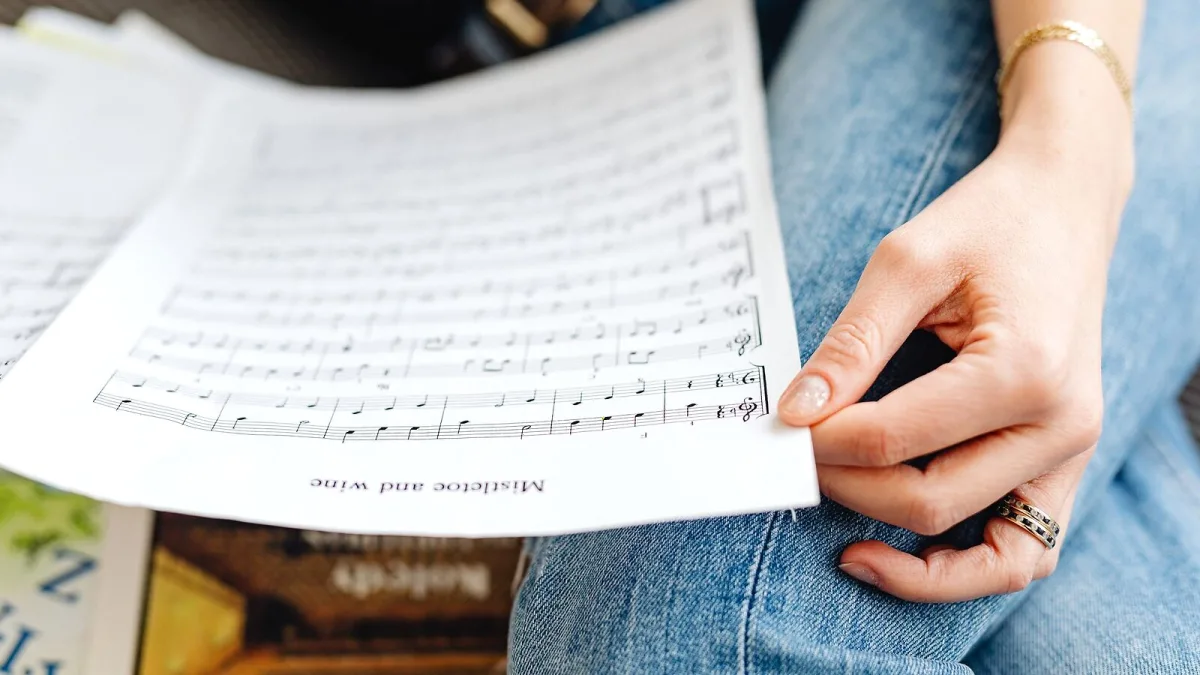
Almost every musician who has sat down to sight read music has felt the familiar sinking sensation: the pulse goes, the eyes drop back to the page, and suddenly what should have been a confident first reading becomes a stumbling stop-start exercise. The good news is that the mistakes that cause this are well documented, highly predictable, and entirely fixable. Here are the ones that matter most.
Mistake 1: Treating Sight Reading as a Note-Learning Session
The most fundamental error. Sight reading is a performance skill — which means the rules of performance apply: keep going, maintain the pulse, and do not stop to fix mistakes. The moment you pause to correct a wrong note, you have stopped the practice and started something else. That something else is useful, but it is not the same thing, and it will not improve your reading fluency.
The University of Chicago is explicit on this point: this skill "is not the time for a perfectionist mindset." Preserving rhythmic continuity after a mistake is more valuable than going back to correct the pitch. This takes genuine discipline, especially for careful musicians who find wrong notes painful. Build the habit deliberately: set yourself the rule that you do not stop, no matter what, and hold to it.
Mistake 2: Skipping the Pre-Reading Scan
The temptation to start playing immediately is understandable — you want to hear what the music sounds like. But walking into the first bar without checking the key signature, time signature, tempo marking, accidentals and structural features is setting yourself up for avoidable problems.
A proper scan takes a minute at most and pays back several times over. Look at the key and time signatures first. Then find any accidentals, unusual rhythms or repeats. Check the range — are there any leaps, position changes or technically demanding passages worth mentally preparing for? The mnemonic S.T.A.R.S. (Signature, Tempo, Accidentals, Rhythm, Symbols) covers the main checkpoints. Use it every time.
Mistake 3: Choosing Material That Is Too Difficult
Sight reading practice works best at a level slightly below your maximum technical ability. If the piece is at the edge of your technical capacity, your attention goes to executing the notes rather than reading ahead, maintaining pulse and observing phrasing. The result is that you practise struggling rather than practising the actual skill.
Choose material that feels almost too easy — where the notes and fingerings are comfortable — so that your cognitive resources are free for the actual reading. Progress comes from exposure to large amounts of varied, manageable material, not from repeatedly wrestling with demanding repertoire. Once you can read a level of difficulty fluently, move up. Not before.
Mistake 4: Reading Note by Note
Strong sight readers do not see individual notes — they see groups. A descending scale passage is one unit, not eight. An ascending arpeggio is a shape, not three separate notes to be decoded. This process of grouping is sometimes called chunking, and it is one of the most important things that distinguishes experienced sight readers from beginners.
Developing this requires both theoretical knowledge (so you recognise scales, arpeggios and intervals instantly) and deliberate practice looking at music in groups. When reading, try to take in a full beat, a full bar, or a familiar pattern as a single visual unit. It feels artificial at first and becomes natural with practice.
Mistake 5: Letting Rhythm Slide
In the heat of a sight-reading attempt, pitch errors are obvious and rhythm errors are subtle. This leads musicians to focus their energy on hitting the right notes while the pulse quietly falls apart, speeds up, or becomes irregular around difficult passages. In fact, rhythmic accuracy is more structurally important than pitch accuracy in most musical contexts.
The University of Chicago advises prioritising rhythmic accuracy from the start — and if the marked tempo makes that impossible, choosing a slower one that can be maintained steadily. Practise isolating rhythm before adding pitch: clap or tap the rhythmic structure of a passage before playing it. Work specifically on rests, ties and syncopations, which are the areas most likely to drift.
Mistake 6: Not Looking Ahead
One of the clearest differences between a developing sight reader and an experienced one is where the eyes are. Experienced readers keep their eyes slightly ahead of the note being produced — giving themselves a fraction of preparation time for fingering, breathing, bow direction or embouchure adjustment. Developing readers tend to look directly at the note they are playing, which leaves no preparation buffer and causes hesitation before difficult passages.
Training look-ahead is a habit rather than a technique. Try covering the bar you are currently playing with a card and reading only what is coming next. Or practise playing familiar music from memory while looking at the score — where should your eyes be moving? The habit establishes itself gradually through consistent attention.
Mistake 7: Repeating the Same Material
Sight reading practice requires genuinely unfamiliar music. Once you have practised a passage a few times, it becomes repertoire — you begin to anticipate it. Repeating the same material trains memory, not reading fluency. This is a subtle mistake that feels like productive practice while actually undermining the goal.
Keep rotating material. Use different keys, metres, styles and textures. Move on after one or two readings rather than polishing a passage to perfection. The goal is fluency across variety, not perfection on a narrow sample.
Mistake 8: Practising Too Infrequently
Occasional long sessions are less effective than short, consistent daily practice. The research recommendation clusters around 10–15 minutes daily. Percussionist Rob Knopper suggests even two to three minutes of daily reading as a useful minimum. The cumulative effect of regular exposure to unfamiliar material builds the kind of instinctive fluency that does not come from a monthly marathon session.
Build it into your normal practice schedule as a regular section rather than something you do when you remember. Short and consistent beats long and infrequent.
For a thorough grounding in how the skill works, what it requires and how to build the skills from scratch, the ultimate guide to sight reading sets out the full picture.
The Bottom Line
The mistakes that undermine reading at sight are almost all the same ones: stopping when things go wrong, skipping the pre-reading scan, choosing material that is too difficult, reading note by note, losing the rhythm, looking at the wrong place, repeating the same passages, and not practising enough. Address them one at a time, build consistent habits, and the improvement will follow. Sight reading is a trainable skill — what separates fluent readers from struggling ones is usually practice quality rather than innate ability.




Comments