


Yamaha P225 roundup
Yamaha P225: A Complete Buyer's Guide
A calm, step-by-step buyer's checklist for the Yamaha P-225: the specs that matter, the finishes, the pedal options and what to confirm first.
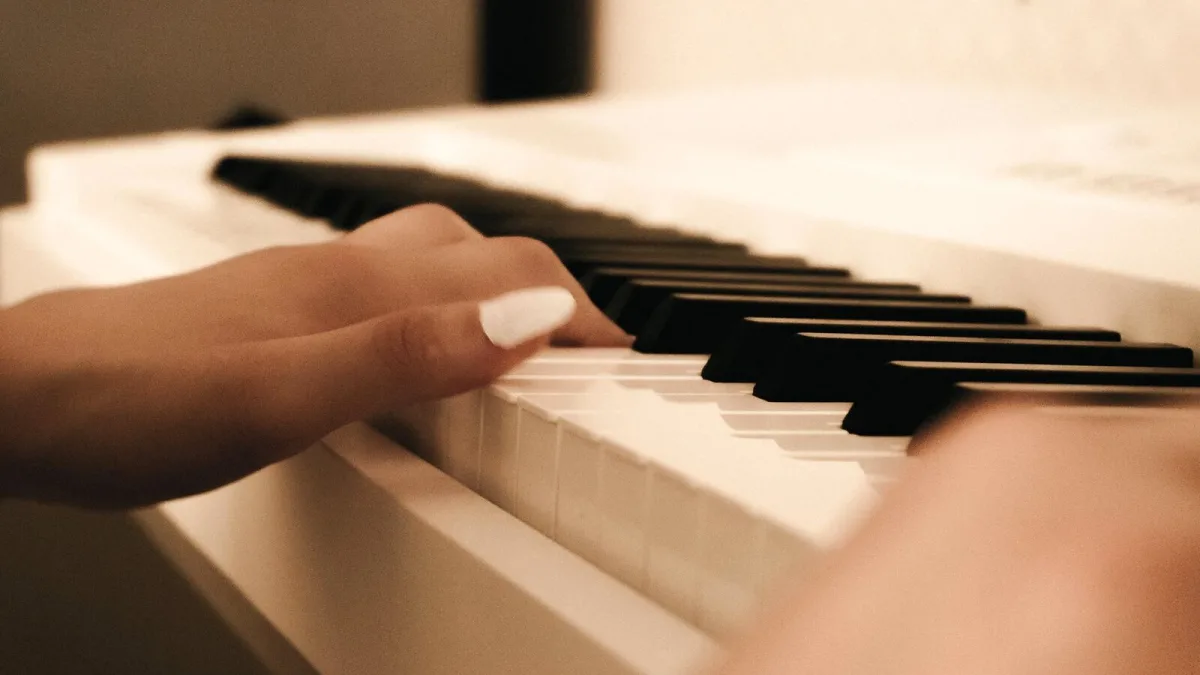
Buying a digital piano can feel more complicated than it needs to be, with specification sheets full of numbers that don't mean much on their own. Let's take the Yamaha P-225 calmly and methodically, one decision at a time, so you know exactly what you're paying for before you part with any money.
Decide What You Actually Need First
Before comparing a single spec, it helps to be honest about how you'll use the instrument. Are you buying for a child starting lessons, for yourself as a returning adult player, for a small teaching studio, or for gigging where you need to plug into a PA? The P-225 is genuinely versatile, but knowing your priority — feel, sound, portability, or connectivity — will make every choice below much easier.
The Core Specification Checklist
| Specification | What to check |
|---|---|
| Action | Graded Hammer Compact (GHC) — weighted, heavier in the bass, lighter in the treble. |
| Piano voice | Yamaha's CFX concert-grand sample, with VRM Lite resonance modelling. |
| Polyphony | 192 notes maximum — comfortably enough for layered sounds and sustain. |
| Voices | 24 built-in sounds, including electric piano, organ and strings. |
| Speakers | Two 7-watt speakers (14W total) — fine for a bedroom or classroom, not a stage. |
| Connectivity | Bluetooth audio, USB to Host, stereo line outputs, two headphone jacks. |
| Weight | Around 11.5 kg — light enough to carry between rooms unaided. |
Take your time with the action and voice rows especially — they're the two things you genuinely can't upgrade later without buying a different instrument.
Black or White: Choosing Between the Finishes
The Yamaha P-225 comes in two finishes: black, sold as the P-225B, and white, sold as the P-225WH. As far as verified specifications go, these are cosmetic choices rather than functional ones, so pick whichever suits your room. If you've seen a bundle advertised with a particular finish plus a stand or pedal, double-check the exact contents with the seller, since bundles vary by retailer.
Where It Sits Against Its Yamaha Stablemates
The P-225 doesn't exist in isolation. Yamaha's P-series also includes the simpler P-145 below it and the more advanced P-515 above it. If your budget is tight and you mainly need a weighted 88-key instrument for early lessons, it's worth comparing against the P-145. If you want more voices, a more advanced action feel, or features aimed at gigging keyboardists, look at the P-515 before committing. Our full P-225 guide covers exactly where it sits in that range.
Checking Against Rival Portables
You'll likely see the P-225 mentioned alongside Roland's FP-30X and Kawai's ES120 in comparison articles, since all three sit in a similar portable, weighted-action price bracket. The honest answer is that the right choice between them comes down to personal preference on action feel, sound character, speaker performance and connectivity, rather than one instrument being objectively superior. Try them side by side where you can, ideally with headphones on so you're judging the piano sound rather than the shop's acoustics.
Pedals: What's Actually Included
A standard sustain-pedal footswitch typically comes with the instrument, but exact bundles differ by retailer and region, so confirm this before buying rather than assuming. If you want the full three-pedal experience — sustain, sostenuto and soft — Yamaha sells an optional three-pedal unit separately, and the instrument has the connector ready for it. Sostenuto, if the term's unfamiliar, sustains only the notes already held down when you press it, rather than every note currently ringing.
Don't Forget a Proper Stand
It's an easy thing to overlook when the excitement is all about the keyboard itself, but a wobbly stand undermines everything else you've just paid for. A simple X-style stand is inexpensive, folds flat and travels well; Yamaha's own furniture-style stand gives a steadier, more permanent home setup and usually integrates neatly with the three-pedal unit if you're adding one.
Verify Before You Pay
- Confirm the finish (P-225B or P-225WH) matches what's pictured and listed.
- Confirm exactly which pedal, if any, is included in the box.
- Don't assume Bluetooth MIDI is built in — Bluetooth audio and Bluetooth MIDI are different, and MIDI may need an adapter.
- Check the warranty terms for your region and retailer.
- Remember that pricing varies by country, tax and bundle, so compare like-for-like offers.
If you're buying this as your very first instrument, our P-225 beginner's guide is worth reading alongside this checklist, and our piece on common mistakes to avoid covers the pitfalls that catch out new buyers specifically.
The Bottom Line
Buying a Yamaha P-225 comes down to a short, manageable list: confirm the action and voice suit how you'll actually play, pick a finish you like, verify exactly what's in the box, and don't skimp on a proper stand. Do that methodically and you'll end up with an instrument that serves you well for years, not just an impressive-looking spec sheet. For a sense of the smartest ways to spend around it, see our guide to the best P-225 setups for the money.




Comments