


Yamaha P225 roundup
The Best Yamaha P225s for the Money
From the bare instrument to a full three-pedal setup, here's exactly where your money goes furthest when you're buying around this piano.
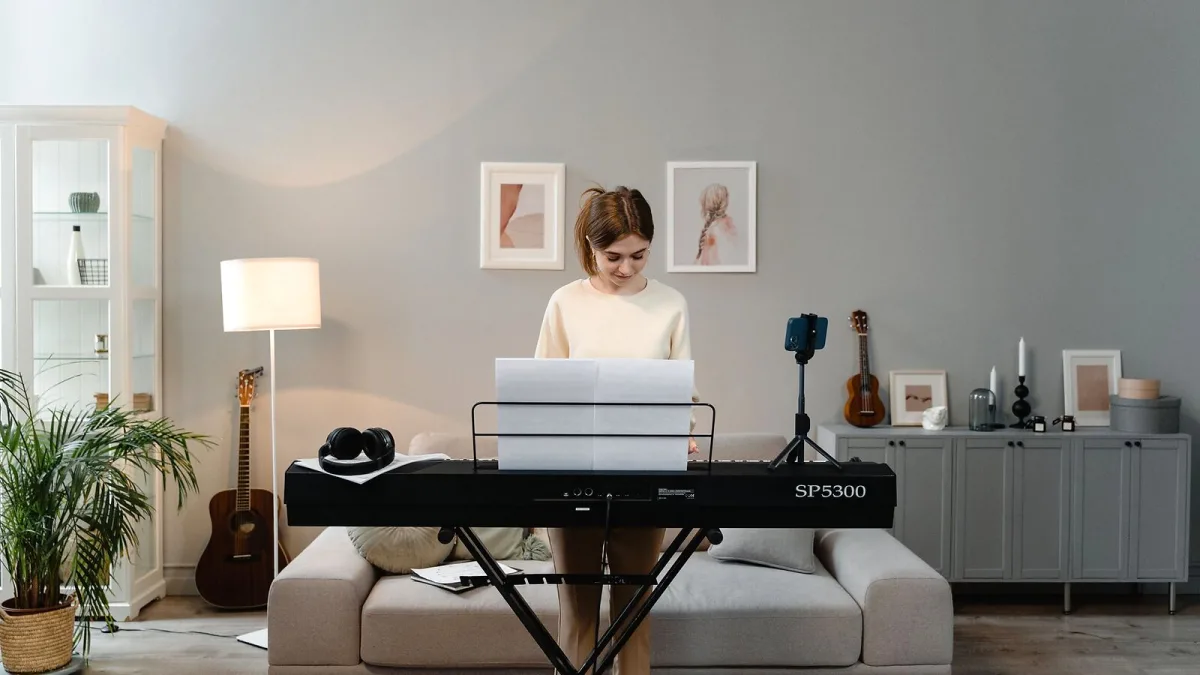
Right, let's talk money sensibly. I get asked constantly by parents and returning players what's actually worth spending on when a Yamaha P-225 is on the shortlist — and the honest answer isn't "buy the most expensive version." It's about matching the setup to how you'll actually use it. Here's where your pounds genuinely go furthest, tier by tier.
If You Just Need the Instrument Itself
For most home players and students, the piano alone — plus the sustain footswitch that typically comes with it — is genuinely enough to get started properly. You get the full GHC weighted action and the CFX concert-grand piano voice without spending a penny on extras you might not need yet. Add a pair of headphones for quiet practice and you're set.
Best for: beginners, students trying lessons for the first time, and anyone testing whether they'll stick with the instrument before investing further.
If Budget Is Genuinely Tight: Look at the P-145 First
If even the P-225 feels like a stretch, Yamaha's simpler P-145 sits below it in the same P-series family and covers the fundamentals — a weighted 88-key action and core piano sound — at a lower price point. It's not a false economy; it's a sensible starting instrument for someone who isn't sure yet how far they'll take lessons.
Best for: tight budgets and complete beginners who want to try piano without a big initial outlay.
The Sensible Middle Ground: Piano Plus Stand and Pedal
This is where most sensible buyers land. Pair the piano with a simple folding X-style stand and, if it's not already included, a basic sustain pedal. It's a stable, comfortable setup for daily practice without tipping into furniture-piano territory or its price tag.
Best for: home players who want a proper practice station without committing to a permanent piano-shaped piece of furniture.
The Complete Home Setup: Add the Three-Pedal Unit
If you want the full acoustic-piano experience — sustain, sostenuto and soft pedal all working together — Yamaha's optional three-pedal unit plugs straight into the connector built for it, usually paired with the matching furniture-style stand. This is a genuine step up in realism for anyone playing classical repertoire that calls on the soft and sostenuto pedals specifically.
Best for: more advanced players and anyone who wants their practice piano to behave exactly like an acoustic upright.
If You've Outgrown It: Step Up to the P-515
Some players eventually want more voices, a more advanced action feel, or features aimed squarely at gigging keyboardists — and that's what Yamaha's P-515 offers, sitting above the P-225 in the same range at a correspondingly higher price. It's worth trying before you buy, since the extra cost only makes sense if you'll genuinely use what it adds.
Best for: gigging musicians and advanced players who've identified a specific feature they're missing.
How the Value Compares With Rival Portables
| Option | Where it fits |
|---|---|
| Yamaha P-145 | Cheapest entry point; fundamentals only. |
| Yamaha P-225 | Balanced mid-range value: GHC action, CFX voice, solid connectivity. |
| Roland FP-30X / Kawai ES120 | Similar price bracket; the better choice comes down to action feel and sound preference, not a clear winner. |
| Yamaha P-515 | Premium tier: more voices and features, priced accordingly. |
Matching the Setup to the Player
- Nervous first-timer: the instrument alone, headphones, nothing else yet.
- Committed beginner or student: instrument plus a stable stand and sustain pedal.
- Classical-leaning player: add the three-pedal unit for genuine sostenuto and soft-pedal control.
- Gigging musician: the piano plus its line outputs into a small PA, or consider the P-515 if you need more onboard sounds.
- Teacher running lessons: the dual headphone jacks make the base setup genuinely useful as-is.
Not sure yet whether this is even the right instrument for you? Our full guide to the Yamaha P-225 explains what it actually is and does, and our complete buyer's guide walks through every spec worth checking first.
The Bottom Line
The best value from a Yamaha P-225 rarely comes from adding every accessory available — it comes from matching the setup to what you'll genuinely use. Start with the instrument itself, add a stand and pedal once you know you're sticking with it, and only reach for the three-pedal unit or a step up to the P-515 when a specific need justifies it. Before you buy anything, our list of common mistakes to avoid is worth five minutes of your time.




Comments