


Yamaha Digital Piano article
Yamaha Digital Piano for Beginners: A Complete Guide
Starting piano as a complete beginner? Here's how to get started, what to expect, and how to build a practice routine that actually works.
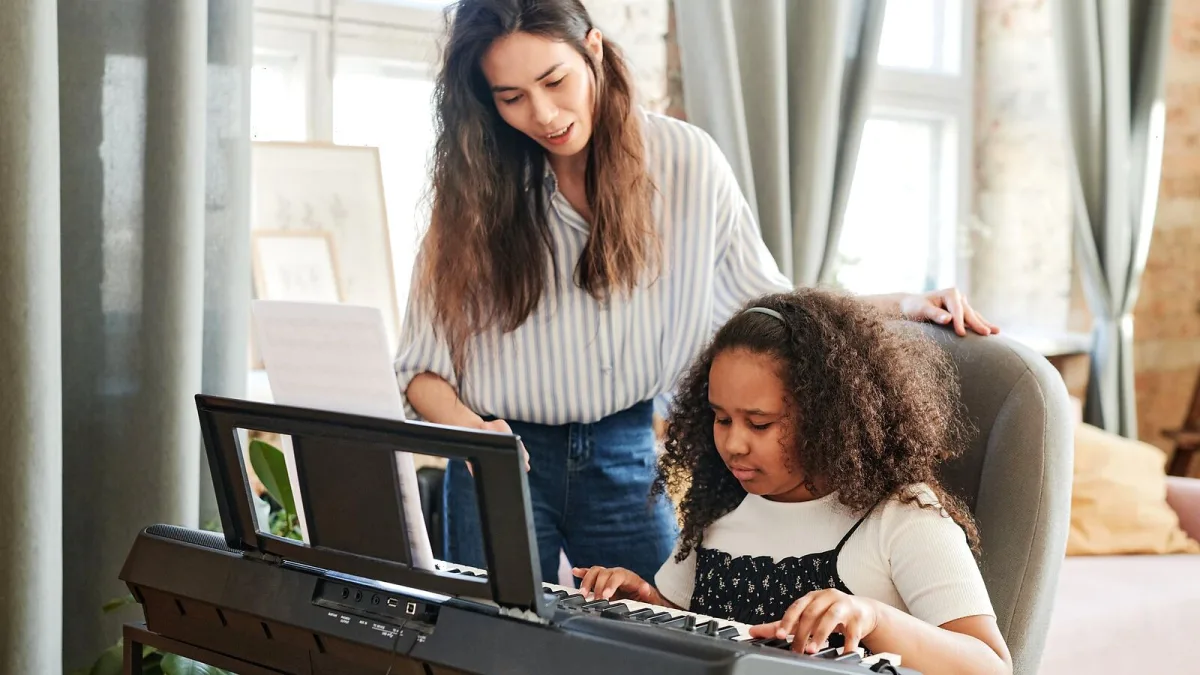
If you're thinking about learning piano and a Yamaha digital piano has caught your eye, this guide is written especially for you — for people starting from scratch, without background knowledge, who want to know how to get started and what to expect. Don't worry about any jargon you encounter; I'll explain it as we go. Learning piano is a genuinely rewarding journey, and a Yamaha digital piano is an excellent way to begin.
Why a Digital Piano Is Perfect for Starting Out
You might wonder if you should learn on an acoustic piano instead. The truth is straightforward: a good Yamaha digital piano is perfectly adequate for learning, and in some ways it's better. You can practise quietly using headphones, so you won't disturb family members or neighbours. The instrument never goes out of tune, so every note you play sounds right. It takes up less space than an acoustic piano. And it costs a fraction of the price. These are genuine advantages for a beginner, not compromises.
A Yamaha digital piano has one more advantage: consistency. Whether you start on a model from 2015 or a brand-new Yamaha digital piano, you're learning on a keyboard with weighted keys that will teach you proper technique. That matters more than you might think.
Getting Started: Set-Up and First Steps
When your new instrument arrives, first read the manual. Yes, I know — it sounds tedious. But the manual will tell you where the main power switch is, how to plug in headphones if you want them, and which buttons adjust volume. Spend five minutes on this and you'll save yourself frustration later.
Next, sit at the keyboard with good posture. Your back should be reasonably straight, your elbows roughly at keyboard height, your wrists straight (not bent up or down). Your fingers should curve gently, as if holding a small ball. This matters because good posture now prevents pain and poor habits later.
Play a few individual notes. Just press down keys one at a time and listen. Feel how the keys resist — that resistance is doing the teaching. On an acoustic piano or a quality weighted digital piano, the key stays down when you release it until a pedal releases it. Get to know how your instrument works before you worry about reading notes or learning songs.
Do You Need a Teacher?
For absolute beginners, a teacher is genuinely worth the money — not because you can't learn on your own, but because a teacher catches bad habits early, shows you what you're doing wrong before it becomes entrenched, and keeps you motivated through the hard early weeks. If you can afford it, find a local piano teacher and take lessons once a week, at least for the first few months.
If a teacher isn't possible, there are good online resources — YouTube channels with beginner piano tutorials, websites with interactive lessons, and apps that listen to your playing. These aren't substitutes for a teacher, but they're better than struggling alone.
Learning to Read Music
You don't need to read music fluently before you sit down — you can learn as you go. But it's helpful to understand the basics. Piano music is written on a staff (five horizontal lines). Notes on the lines and in the spaces between them represent different keys on your piano. The left side of the staff is lower notes; the right side is higher notes.
Your left hand usually plays the lower notes (bass clef), and your right hand usually plays the higher notes (treble clef). Don't worry about memorising note names immediately — that comes with repetition. Just notice the pattern: the notes move up the staff as you play keys further to the right.
Starting with Simple Melodies
Your first goal isn't to play a concerto. It's to play simple, recognisable melodies using only one hand — usually your right hand. Nursery rhymes and folk tunes work well because they're short, familiar, and don't require complicated rhythm. Once you can play one tune all the way through without stopping, you've achieved something real. That feeling of completing a piece is motivating and will keep you practising.
Building a Daily Practice Routine
Consistency matters far more than duration. Practising 15 minutes daily is better than practising two hours once a week. Aim for 20–30 minutes a day if you can. Here's what a session might look like:
- Warm-up (5 minutes): Play scales or simple finger exercises to get your hands ready.
- Technical work (10 minutes): Work on whatever technique you're learning — maybe learning to play both hands together, or a specific fingering pattern.
- Repertoire (15 minutes): Work on the piece or pieces you're trying to learn.
If you don't know what to do, ask your teacher or find a beginner method book (the "Alfred's Basic Piano Library" is well-regarded). The structure matters less than the fact that you're showing up and doing the work.
Mistakes Will Happen — That's Normal
Everyone playing piano stumbles, forgets where they are, hits wrong notes, or gets frustrated. This isn't a sign you're not cut out for it — it's completely normal. Professional pianists make mistakes in concert and carry on. Your job is to keep playing, find out what went wrong in a calm moment, and try again.
If you make the same mistake repeatedly, slow down. Play the problematic passage very slowly — deliberately slowly, almost to the point of being silly. When you can play it slowly without making the mistake, speed it up gradually. This is how musicians of all levels fix persistent errors.
Managing Frustration
Learning piano has a peculiar property: there's always something you can't do yet. You learn a technique, and immediately you discover a harder one. This is actually a good sign — it means you're making progress. But it can feel discouraging.
The remedy is patience with yourself. Celebrate small wins. When you can play something you couldn't last week, that's genuine progress. When your finger dexterity improves and passages feel smoother, that's real achievement. Don't compare yourself to advanced players — compare yourself to yourself a month ago.
Choosing Your First Songs
Pick pieces you genuinely want to play, not pieces that impress other people. If you love a particular song, find a beginner arrangement and work toward it. The motivation to play something you care about is powerful. Early on, your repertoire should include folk tunes, hymns, simple arrangements of pop songs, and pieces from method books. Within a few months, you'll have choices.
When to Move to the Next Level
After three to six months of consistent practise, you'll likely be ready to tackle slightly more complex material. This might be introducing the left hand after mastering the right, learning new rhythm patterns, or working on pieces with a wider range of notes. Trust your teacher if you have one; if you're self-teaching, listen to yourself. When something feels manageable even if it's still challenging, you're ready for it.
The Long View
Piano learning isn't a race. Some people learn quickly; others take their time. Some people practise every single day; others take breaks. All of these paths work. What matters is consistency, patience with yourself, and genuine interest in the music you're learning.
A Yamaha digital piano gives you everything you need to develop into a capable player. The weighted keys teach your hands to work correctly. The sound is clear and honest — if you play a wrong note, it will sound wrong, and that's good feedback. The instrument won't get in your way; it will simply respond to what you tell it to do.
You've Got This
Learning piano as a beginner is exciting and sometimes challenging, but it's absolutely achievable. Sit down, be patient with yourself, practise regularly, and enjoy the journey. Within a few months, you'll surprise yourself with what you can do. Welcome to music.






Comments