


Yamaha Digital Piano roundup
The Best Yamaha Digital Pianos for the Money
Looking for the best Yamaha digital piano for your needs? Here are our recommendations across price points and use cases — from beginners to professionals.
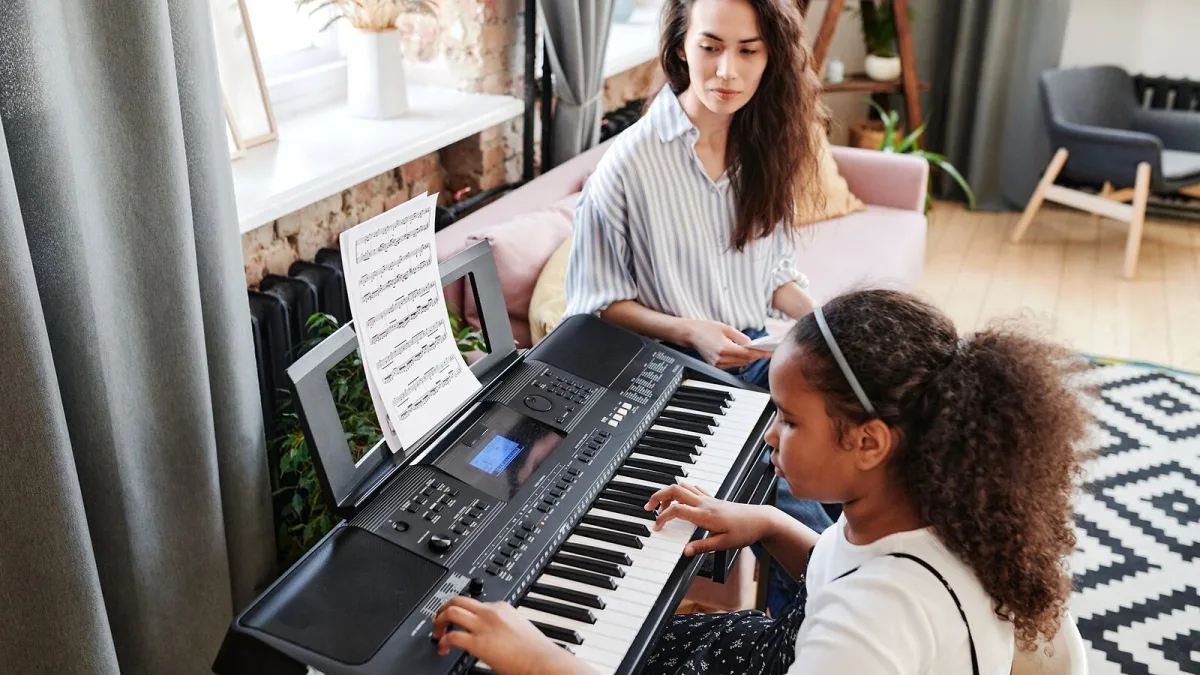
If you've decided a Yamaha digital piano is right for you but aren't sure which model to choose, this guide breaks down the most popular Yamaha digital piano options across different price points and use cases. You'll find recommendations for beginners, serious learners, teachers, and performers — with honest talk about where money is well spent and where you might be paying for features you won't use.
The Best Value: P-125 and P-225 (£500–£700)
For most learners, the P-series represents the best value in the entire market. These portable, weighted-key instruments are suitable for children learning for the first time, teenagers picking up a serious hobby, and adults starting at any age. The action is responsive enough to teach proper technique. The sound is accurate and clear through headphones. They're light enough to move between rooms or take to a teacher's studio. And the price is low enough that if you decide piano isn't for you, it's not a financial disaster.
The P-125 is the entry point — it has weighted keys, good sampling and a basic speaker system. The P-225 adds slightly better speakers and a few extra features but isn't materially different in terms of playing feel. Either one is an excellent choice. Most learners won't outgrow a P-series for years, if ever.
The Step Up: Clavinova CLP-625 (£1,500–£1,800)
The Clavinova line is where a Yamaha digital piano becomes noticeably better. These are furniture-grade instruments designed to live in one place (they're heavier and bulkier than the P-series). The action is more sophisticated — the keys have wooden construction and a hammer mechanism that more closely replicates a concert grand piano. The speaker system is genuinely good, so playing without headphones sounds natural and full. And the sound modelling is more sophisticated, adding responsiveness that entry-level Yamaha digital piano models can't quite match.
The CLP-625 is the starting point in this range. A serious hobbyist, amateur teacher, or dedicated learner will notice the difference immediately upon sitting down. If you're planning to spend 45 minutes or more daily at the piano, this Yamaha digital piano represents where the investment becomes worthwhile. If you practise 15–20 minutes a day, the P-series is still fine.
The Performance Choice: Clavinova CLP-785 (£2,500–£3,200)
Move up to the CLP-785 and you're buying something that deserves to be on a concert stage. The action is more refined, with better escapement and more nuanced response. The sound engine incorporates deeper samples and modelling. The cabinet is beautiful hardwood. These are instruments built to last decades and to reward serious musicians who will actually notice the difference between one model and the next.
Buy this if you're a teacher with multiple students, a performing musician, or a serious amateur with the budget to invest. It's not for the casual learner, but it's a genuinely excellent instrument that will serve you indefinitely.
The Concert Grand Replica: CFX Grand (£4,000–£6,500+)
At the top of the consumer range sits the CFX, replicating one of Yamaha's finest concert grand pianos. These are full-size, furniture-grade instruments with sampled sound from an actual CFX grand piano, sophisticated modelling, and the finest action you can get outside of owning a real acoustic piano. They're bought by professional musicians, serious conservatory students, and institutions.
This is aspirational territory — it's not that it's "too good" for most people, but rather that most people never have the opportunity to use one regularly enough to justify the investment. If you're a professional performer or a serious student at a high level, it's genuinely worth the money. Otherwise, a mid-range Clavinova will serve you better.
For Teachers: Clavinova CLP-695 or CLP-785
If you're teaching, you want an instrument that will hold up to multiple students, rewards proper technique, and sounds good in various contexts (solo practice, recitals, ensemble playing). Either of these Clavinova models hits that sweet spot. The CLP-695 is the more affordable choice; the CLP-785 is more robust and has better sound modelling if you're teaching advanced students.
For Performance: CLP-785 or CFX Grand
If you're performing regularly, even in modest venues, you want weighted keys with good escapement (so your technique translates across instruments), speakers that do the instrument justice, and reliability. The CLP-785 is the practical choice for venues like churches, concert halls in smaller towns, or recording studios. The CFX is for larger venues and professional contexts.
For Small Spaces: P-Series (Any Model)
Living in a flat with neighbours? The P-series is your friend. These compact, portable instruments fit in corners, on keyboard stands, or even beside a sofa. You can use headphones to practise silently. And they're light enough to move if you need to rearrange.
Used vs. New: When Buying Secondhand Makes Sense
Used Clavinova instruments, especially the CLP-625 and CLP-695, often appear secondhand from people who thought they'd learn and didn't, or who upgraded. A three-to-five-year-old model is often available at 30–50% discount from new. Buy from someone with paperwork, ask to play it first, and you're likely getting an excellent bargain.
Used P-series instruments are less common on the secondhand market because they're still affordable enough that most owners keep them. When they do appear, they're usually in perfect condition.
What Most People Actually Need
If you could only buy one instrument and don't know what to choose, buy a P-125 or P-225. It's weighted, it's reliable, it's affordable, and it will serve you well whether you play for five minutes a day or an hour. If after a year you're still playing and want to upgrade, sell it and move up to a Clavinova. If you're learning as an adult with genuine commitment and have the budget upfront, start with a CLP-625 and skip the entry-level model — it's worth the jump.
The Bottom Line on Yamaha Digital Pianos
Yamaha's consistency means that even the least expensive model is genuinely good. The P-series is one of the best value instruments on the market. The Clavinova range offers real upgrades in sound and feel that reward serious musicians. And the CFX represents some of the finest home piano technology available. Pick the one that suits your space, your budget and your commitment level, and you'll be happy.






Comments