


Yamaha Clavinova article
Yamaha Clavinova Explained: Features, Types and Tips
A Yamaha Clavinova sits between an acoustic piano and a keyboard workstation — here's what makes the three series genuinely different.
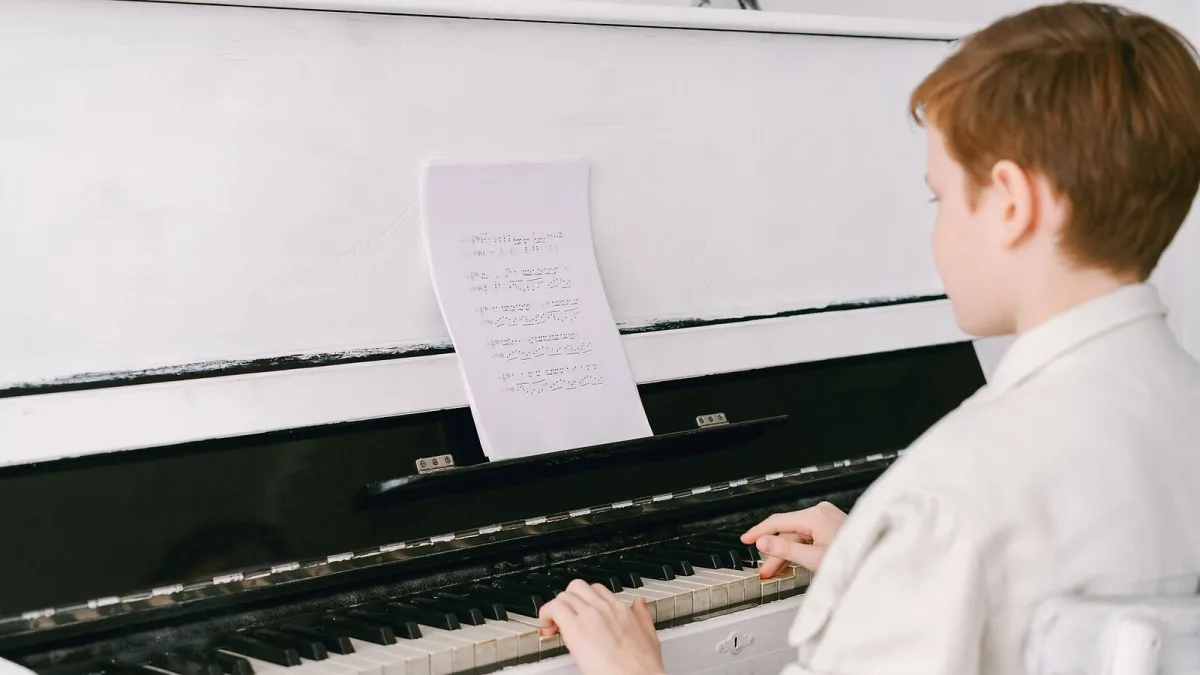
A Yamaha Clavinova sits in an unusual spot between an acoustic piano and an ordinary electronic keyboard: built to feel and respond like a real piano, while adding the practical conveniences — silent headphone practice, recording, no tuning — that only a digital instrument can offer. The range has grown into three distinct series with genuinely different priorities, so "which Clavinova" is really the wrong first question. The right one is "which of these three instruments actually suits how I play." Let's take it apart properly.
What a Clavinova Actually Is
The important distinction is between a digital piano and a keyboard workstation. A workstation is built around variety — dozens of sounds, rhythms and effects, often on a lightweight, unweighted keyboard. A Yamaha Clavinova is built the other way round: its priority is a full-size, 88-note weighted action that responds like an acoustic piano, with everything else — extra voices, recording, an app — layered on top rather than being the point of the instrument. That's why one can sit quite happily in a home, a church or a teaching studio, doing the same core job a good upright piano does, just without the tuning bill.
The Three Series: CLP, CSP and CVP
| Series | Full name | Main purpose |
|---|---|---|
| CLP | Clavinova Piano | Traditional piano playing and repertoire; the most acoustic-focused branch |
| CSP | Clavinova Smart Piano | Guided learning via the Smart Pianist app, with Stream Lights showing which keys to play next |
| CVP | Clavinova Digital Piano | Automatic accompaniment, backing styles and performance-oriented features |
Yamaha is quite deliberate about this split: it isn't "beginner versus professional," it's three different playing experiences. A classically trained adult and a family looking for guided practice both want a genuine piano feel underneath, but they'll be happiest on different branches of the Yamaha Clavinova range.
How the Touch and Tone Are Engineered
Every model uses graded, weighted keys — heavier in the bass, lighter in the treble, mirroring how an acoustic action behaves — but the exact mechanism varies. Yamaha uses actions ranging from Graded Hammer 3X up to GrandTouch and GrandTouch-S in higher-specified instruments, generally trading up to longer key pivots and finer control as you move up the range. Many keytops are also finished in a synthetic ebony-and-ivory-style texture, mainly to improve grip over plain plastic.
On the sound side, piano tones typically draw on recordings of the Yamaha CFX and Bösendorfer Imperial concert grands. Higher-specified instruments layer in Virtual Resonance Modeling, which simulates the sympathetic resonance of strings, soundboard and frame, plus Grand Expression Modeling for more natural tonal response to changes in touch. Polyphony — the number of notes that can sound at once — reaches 256 notes on several current models, which matters once you're using the sustain pedal, layering voices, or playing dense passages.
Pedals and Playing Feel
Most cabinet-style instruments in the range include a genuine three-pedal setup: damper (sustain), sostenuto and soft (una corda), with half-pedaling supported on selected models so sustain becomes a matter of degree rather than a simple on/off switch. That's a meaningful step up from the two-pedal or pedal-board afterthought found on many lower-cost digital pianos, and it's one reason a Clavinova can genuinely support classical technique rather than just approximate it.
Choosing the Right One for You
As a rough starting point: choose CLP if repertoire and acoustic-style technique are your priority, CSP if guided, app-based learning matters to you, and CVP if you want built-in accompaniment and a more self-contained entertainment instrument. Cabinet shape matters too — some flagship CLP models are built grand-shaped rather than upright, which looks wonderful but needs considerably more floor space. Our buyer's guide goes through the specifics of what to check on each series before you spend anything.
Living With One Day to Day
Because there's no soundboard to age or strings to hold their tension, a Yamaha Clavinova doesn't need tuning, and it can be played silently through headphones at any hour without disturbing anyone else in the house. Most models offer USB connectivity and Smart Pianist app support for recording, voice selection and practice tools, though exactly which app features are supported does vary by model, so it's worth checking before assuming a feature is included. Keeping the instrument away from radiators, direct sunlight and damp rooms will also help the action, pedals and electronics stay reliable for years, even though there's no tuning to worry about.
The Bottom Line
A Yamaha Clavinova earns its price by genuinely feeling like a piano under the fingers, not just sounding like one through a speaker. If you're just starting out, our beginner's guide is the gentler place to start, and our round-up by budget and common mistakes to avoid are both worth reading before you commit to a specific model.




Comments